
News List
India Reroutes 70 Percent Crude Imports Strategically

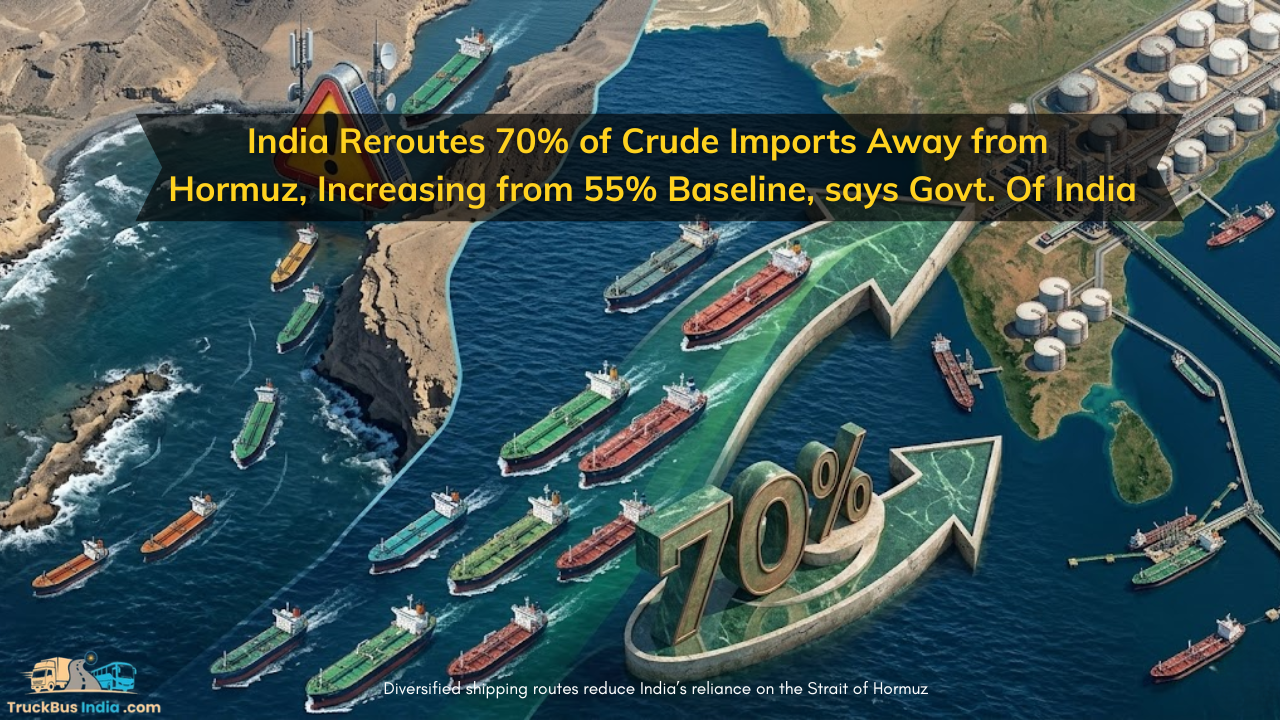
India has executed a significant shift in its energy procurement strategy, rerouting 70% of crude oil imports through maritime routes outside the volatile Strait of Hormuz. This increase from the previous 55% baseline reduces risk exposure, strengthens fuel supply chains, and ensures uninterrupted distribution of CNG, PNG, and refined petroleum products across the country.
Diversifying Crude Supply Routes
By sourcing the majority of crude imports via alternative maritime paths, India reduces dependency on a strategic chokepoint, mitigating regional geopolitical risks. The world’s third-largest energy consumer continues to meet its daily requirement of approximately 55 lakh barrels, while enhancing resilience in its supply chain.
Domestic refineries have ramped up operations to full capacity, with several units exceeding 100% of rated output. Combined with a steady pipeline of crude and LNG cargos en route to Indian ports, these measures create a tactical buffer to maintain uninterrupted fuel availability in the short term.
Ensuring Gas Supply for Transport and Households
To safeguard essential natural gas needs, the government invoked the Essential Commodities Act on March 9 and issued a Natural Gas Control Order. This mandates 100% guaranteed supply of Compressed Natural Gas (CNG) for transport and Piped Natural Gas (PNG) for domestic users. Sectors such as refineries and petrochemical units are absorbing a 35% reduction in gas allocation to ensure uninterrupted service to priority segments.
Monitoring and Coordination of Shipping
The Ministry of Shipping confirms that port operations across India remain stable with no disruptions to import-export trade. The government is actively monitoring 28 Indian-flagged vessels in the Persian Gulf, including 24 west and four east of the Strait of Hormuz. Dedicated 24-hour control rooms provide real-time updates on vessel positions and cargo status, enabling continuous coordination with shipping lines and reducing risks for exporters.
Strengthening Domestic Refinery Operations
Maximised refinery production ensures the steady supply of petrol, diesel, and other refined products to retail outlets nationwide. Coupled with the inventory of crude and LNG, these internal measures strengthen India’s energy security and provide flexibility to respond to sudden disruptions in the global energy market.
India’s rerouting of 70% of crude imports, alongside targeted gas allocation policies and maximised refinery output, reinforces national energy resilience. These strategic actions reduce reliance on the Strait of Hormuz while safeguarding fuel and natural gas supply for both households and the transport sector.