
News List
Delhi Metro Set for Strategic Network Expansion

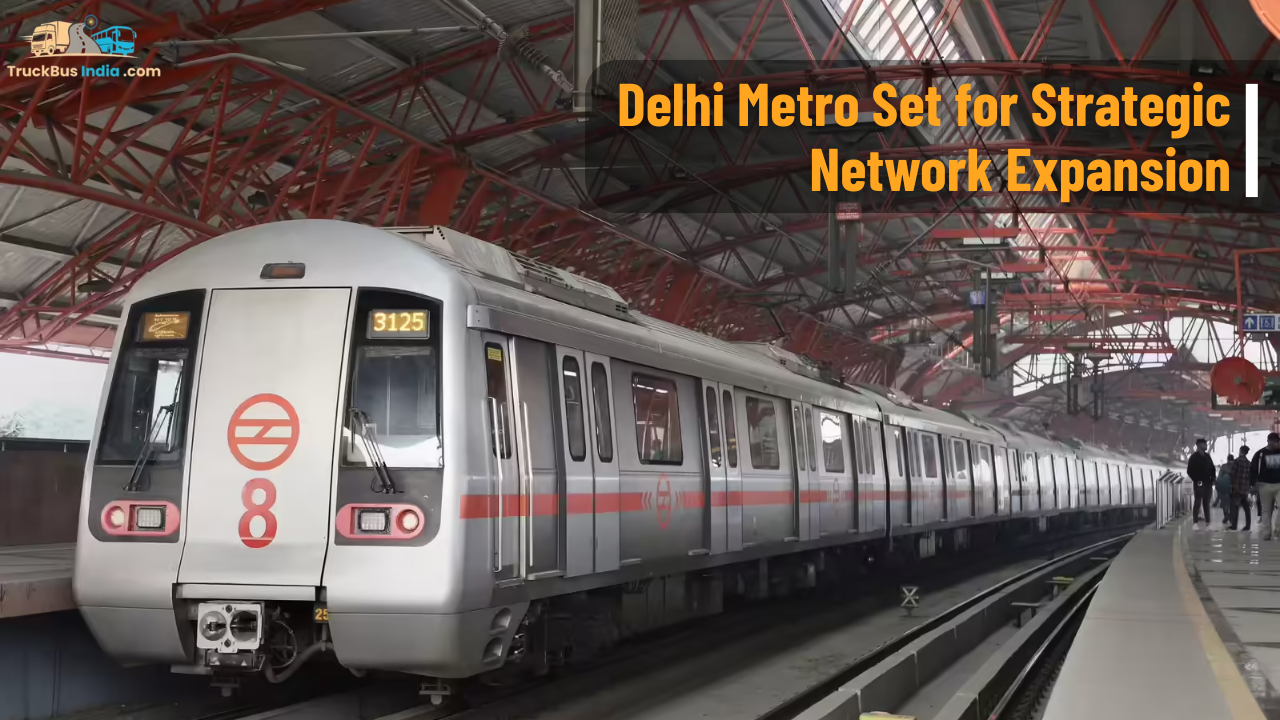
Delhi’s metro network is entering a transformative phase with the inauguration of two new corridors and the commencement of three additional lines under Phase-V(A). Prime Minister Narendra Modi will lead the inauguration on March 8, while Chief Minister Rekha Gupta confirmed the foundation stone laying for the upcoming corridors. This expansion marks a critical step in improving urban mobility, reducing road congestion, and promoting cleaner transport.
Investment and Impact on Urban Transport
The Delhi Metro expansion projects represent a major investment exceeding ₹18,300 crore. According to CM Rekha Gupta, these developments aim to streamline daily commuting, support efficient public transport, and address rising vehicular congestion in the capital. The projects are designed to enhance connectivity, facilitate smoother travel, and contribute to pollution control initiatives across the city. The inauguration ceremony is scheduled at DDA Utsav Sthal-3, in front of Nirankari Mandal.
Extensions to Pink and Magenta Lines
Two corridors are set to open on March 8, significantly extending the reach of Delhi Metro.
Majlis Park–Maujpur-Babarpur Pink Line
The pink line will grow by 12.3 km through the Majlis Park–Maujpur-Babarpur corridor, incorporating ten new stations. This extension will complete a 71.5 km Ring Metro, positioning Delhi as the first city in India with a fully operational circular metro line.
Stations include: Majlis Park, Burari, Jharoda Majra, Jagatpur–Wazirabad, Soorghat, Nanaksar–Sonia Vihar, Khajuri Khas, Bhajanpura, Yamuna Vihar, Maujpur–Babarpur.
Deepali Chowk–Majlis Park Magenta Line
The magenta line extension adds 9.92 km and seven elevated stations, extending the existing Botanical Garden–Krishna Park line. Total magenta line length will now reach approximately 49 km, enhancing access across northern and western parts of the city.
Stations include: Deepali Chowk, Madhuban Chowk, Uttar Pitampura–Prashant Vihar, Haiderpur Village, Haiderpur Badli Mor, Bhalswa, Majlis Park.
Engineering Achievements
The Deepali Chowk–Majlis Park corridor includes a segment elevated to 28.36 metres, one of the highest in the network. Both extensions demonstrate advanced engineering solutions to meet Delhi’s complex urban transport needs.
Transforming Commuting in the Capital
The new corridors and upcoming Phase-V(A) projects will improve travel times, provide efficient alternatives to road transport, and facilitate smoother last-mile connectivity. By expanding the metro network, Delhi aims to reduce dependency on private vehicles, ease traffic congestion, and enhance the overall urban transport experience, aligning with long-term sustainability and development goals.