
News List
Ultimate Guide to Commercial Vehicle Types for Businesses

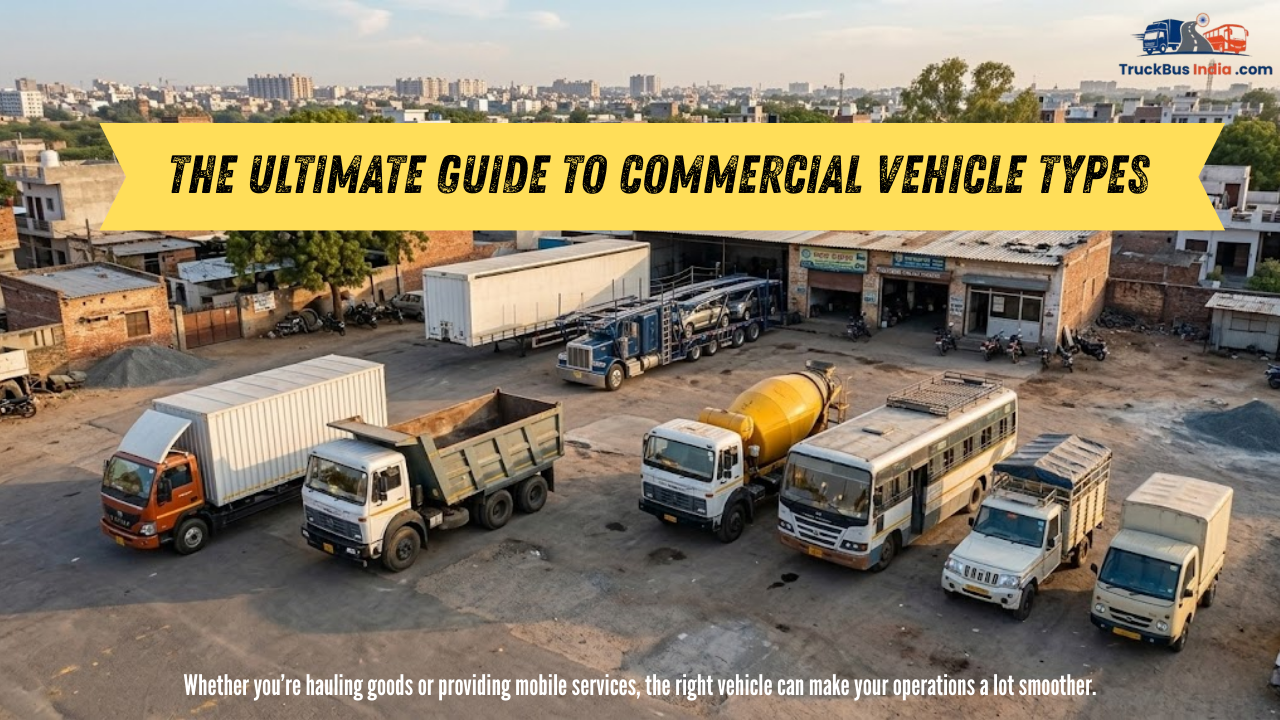
Choosing the right commercial vehicle can significantly impact business operations. From transporting goods to providing mobile services, selecting a vehicle that aligns with your business needs ensures efficiency and cost-effectiveness. This guide covers the main commercial vehicle types used by Australian SMEs, including light, medium, and heavy vehicles, specialised service vehicles, passenger fleets, and agricultural machinery.
Light Commercial Vehicles for Everyday Business
Utes: Versatile Workhorses
Utes are widely used in trades, construction, landscaping, agriculture, and mining support. With a roomy tray, strong towing capacity, and off-road capability, utes are suitable for both city and rugged job sites.
Vans: Secure and Flexible Cargo Transport
Vans are ideal for delivery, courier, e-commerce, and catering services. They provide enclosed cargo space, optional shelving, and temperature control, protecting stock and equipment from damage and weather.
Pickup Trucks: Heavy-Duty Transport
For businesses requiring higher payload and towing capacity, pickup trucks are a reliable choice. Commonly used in construction, rural transport, and farming, these trucks are durable and capable of handling heavy loads.
Minibuses: Comfortable People Transport
Minibuses are popular for tourism, community transport, schools, aged care, and disability services. They provide safe, comfortable transport while keeping running costs lower than full-sized coaches.
Medium and Heavy Commercial Vehicles
Medium to heavy vehicles serve industries requiring larger payloads and specialised transport solutions.
Vehicles at a glance:
- Box trucks: Secure transport for furniture, retail goods, and appliances
- Flatbed trucks: Open deck ideal for oversized or awkward items
- Dump trucks: Hydraulic lift for loose materials in construction and mining
- Refrigerated trucks: Temperature-controlled cargo for perishables
- Tow trucks: Vehicle recovery and roadside assistance
Box Trucks: Protecting High-Value Goods
Box trucks, or pantechs, are enclosed and lockable, making them ideal for transporting bulky or valuable items.
Flatbed Trucks: Oversized Cargo Management
Flatbed trucks feature an open, flat deck for loading large or awkward items like steel beams or timber.
Dump Trucks: Efficient Material Handling
Designed for mining, construction, and landscaping, dump trucks save time and labour with hydraulic lifts for loose loads.
Refrigerated Trucks: Safe Transport for Perishables
Reefers maintain controlled temperatures, essential for food, pharmaceuticals, and florists to meet safety and compliance standards.
Tow Trucks: Recovery and Transport Services
Equipped with winches or tilt trays, tow trucks are critical for roadside assistance and vehicle salvage operations.
Specialised Commercial Vehicles
Specialised vehicles cater to niche business needs.
Food Trucks: Mobile Culinary Services
Food trucks provide flexibility to serve customers at markets, events, and urban locations, offering a cost-effective alternative to traditional cafes.
Mobile Service Vehicles: On-Demand Solutions
Custom-fitted vans or utes allow services like pet grooming, mobile mechanics, and locksmiths to reach customers directly, increasing convenience and reach.
Utility Service Vehicles: Trades and Maintenance
Used by electricians, plumbers, HVAC technicians, and pest control operators, these vehicles serve as mobile workshops with racks and storage for tools.
Emergency Service Vehicles: Safety and Speed
Police, fire, ambulance, and SES vehicles carry specialised equipment and communications systems to respond efficiently to emergencies.
Waste Collection Trucks: Efficient Removal Solutions
Waste collection vehicles equipped with hydraulic arms and compactors support councils and contractors in managing household rubbish, recycling, and green waste.
Passenger, Fleet, and Agricultural Vehicles
Taxis and Rideshare Vehicles
Economical sedans or hybrids provide comfort, fuel efficiency, and reliability for drivers and rideshare services.
Luxury Chauffeur Cars
High-end sedans or SUVs used for corporate transport, weddings, and airport transfers enhance safety, comfort, and brand image.
Fleet Sedans and SUVs
Standardised vehicles support sales teams, government departments, and corporate hire, balancing efficiency and professionalism.
Tour Buses and Coaches
Designed for long-distance group transport, these vehicles provide climate control, luggage storage, and entertainment for tourism and charter services.
Tractors and Agricultural Machinery
Tractors, harvesters, loaders, excavators, and cranes improve farming, horticulture, construction, and large-scale infrastructure projects. They reduce labour and increase operational efficiency.
Conclusion
Selecting the right commercial vehicle is essential for business success. From light utes and vans to heavy trucks, specialised vehicles, and agricultural machinery, each type serves a specific purpose. Understanding vehicle features, applications, and operational requirements helps businesses make informed choices, ensuring smoother operations, safety, and cost efficiency.
FAQs
1. What are the main types of commercial vehicles?
Commercial vehicles include light vehicles like utes and vans, medium to heavy trucks, specialised service vehicles, passenger fleets, and agricultural machinery.
2. How do I choose the right commercial vehicle for my business?
Consider your industry, the load you carry, distance, terrain, and specific service needs. Vehicles should align with operational goals and efficiency requirements.
3. Are refrigerated trucks essential for food businesses?
Yes, refrigerated trucks maintain temperature control, ensuring perishable goods remain safe, fresh, and compliant with regulations.
4. Can specialised service vehicles improve business reach?
Absolutely. Mobile service vehicles allow businesses to provide services directly to customers, increasing flexibility and operational efficiency.
5. Do agricultural vehicles require specific attachments?
Yes, tractors, harvesters, and loaders can be fitted with attachments for ploughing, hauling, planting, or moving bulk materials efficiently.