
News List
China Steel Mills Cut Output Ahead of Parliamentary Meeting

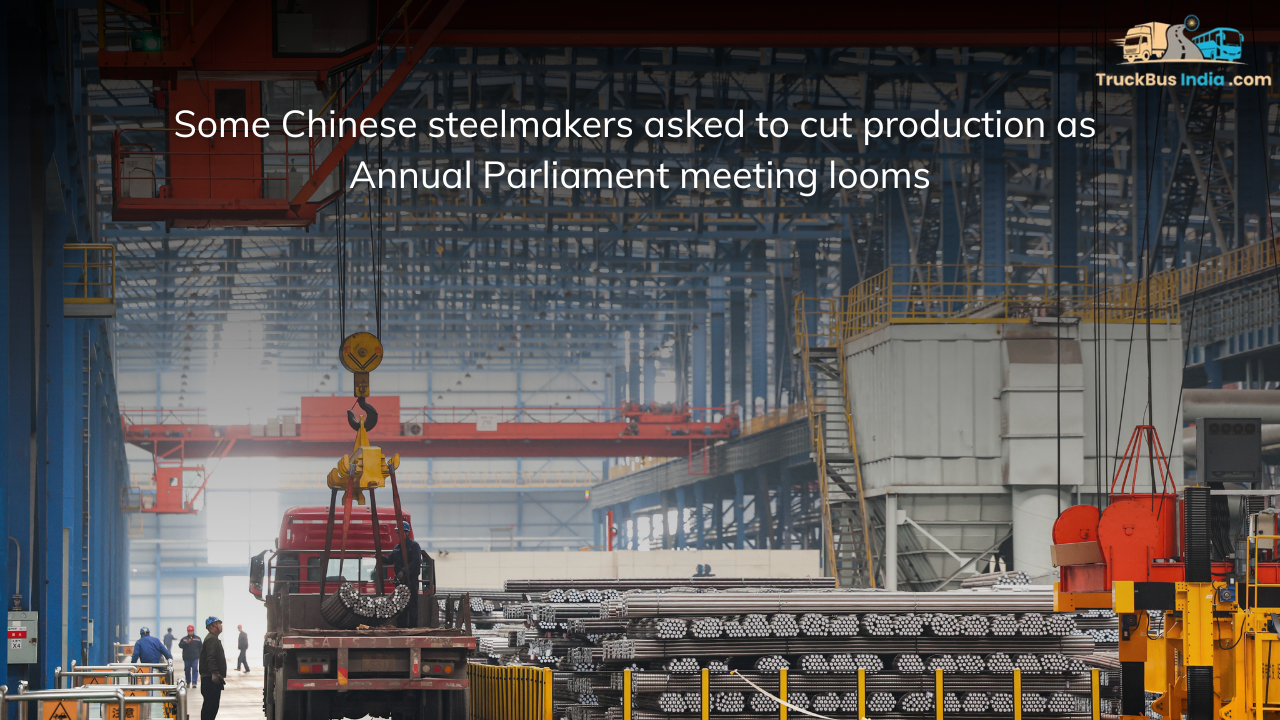
Several steel mills in northern China have been instructed to cut production ahead of the annual parliamentary meeting starting March 5. The reductions, set to begin on March 4 and continue through March 11, will lower blast furnace output by at least 30 percent in regions close to Beijing. Authorities aim to maintain air quality during the high-profile event while balancing domestic steel supply and demand.
Consultancy analysts expect these production controls to slow seasonal inventory build-ups, which typically occur as construction activity picks up with warmer weather in March. Xin Ge, deputy director at Lange Steel, said the temporary reduction in output could provide short-term support for steel prices while allowing mills to prepare for a production ramp-up after the meeting.
China, the world’s largest steel producer and consumer, often sees a surge in demand during early spring months. Limiting output in northern mills is expected to moderate supply pressures, prevent excess inventories, and maintain stable market conditions during this key period.
Steel Prices Respond to Production Controls
Rebar and Hot-Rolled Coil Prices Rise
Following the announcement, steel futures on the Shanghai Futures Exchange showed gains. Rebar prices increased by 1.65 percent, while hot-rolled coil futures rose by 1.13 percent. The market response reflects investor expectations that controlled production will stabilise supply and support domestic prices.
Post-Meeting Production Outlook
After the parliamentary session concludes, steel mills are expected to resume normal operations and gradually increase output to meet rising construction demand. Analysts suggest that the temporary slowdown will have minimal impact on annual supply while helping align production with environmental requirements and seasonal market trends.
These measures highlight China’s dual focus on environmental management and market stability, ensuring that steel production remains aligned with both clean air objectives and economic growth priorities.