
News List
SIAM Reports Strong 3-Wheeler Production And Sales For January 2026

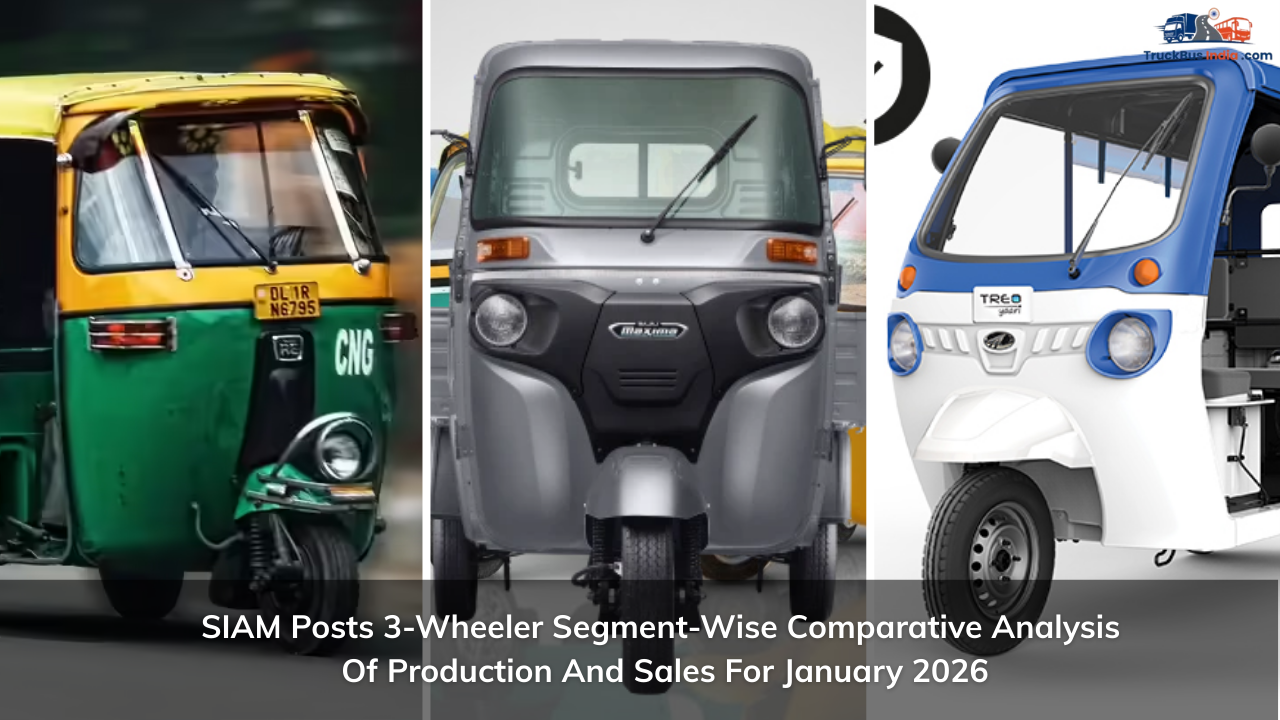
The Society of Indian Automobile Manufacturers (SIAM) has released the production and sales data for India’s 3-wheeler segment in January 2026, showing impressive growth across key sub-segments. With 1,20,291 units produced, 75,725 units sold domestically, and 36,879 units exported, the numbers highlight a positive start to the year for manufacturers and dealers alike.
The report provides a detailed breakdown by sub-segment, including passenger carriers, goods carriers, e-rickshaws, and e-carts, offering insights into market trends, production performance, and export potential.
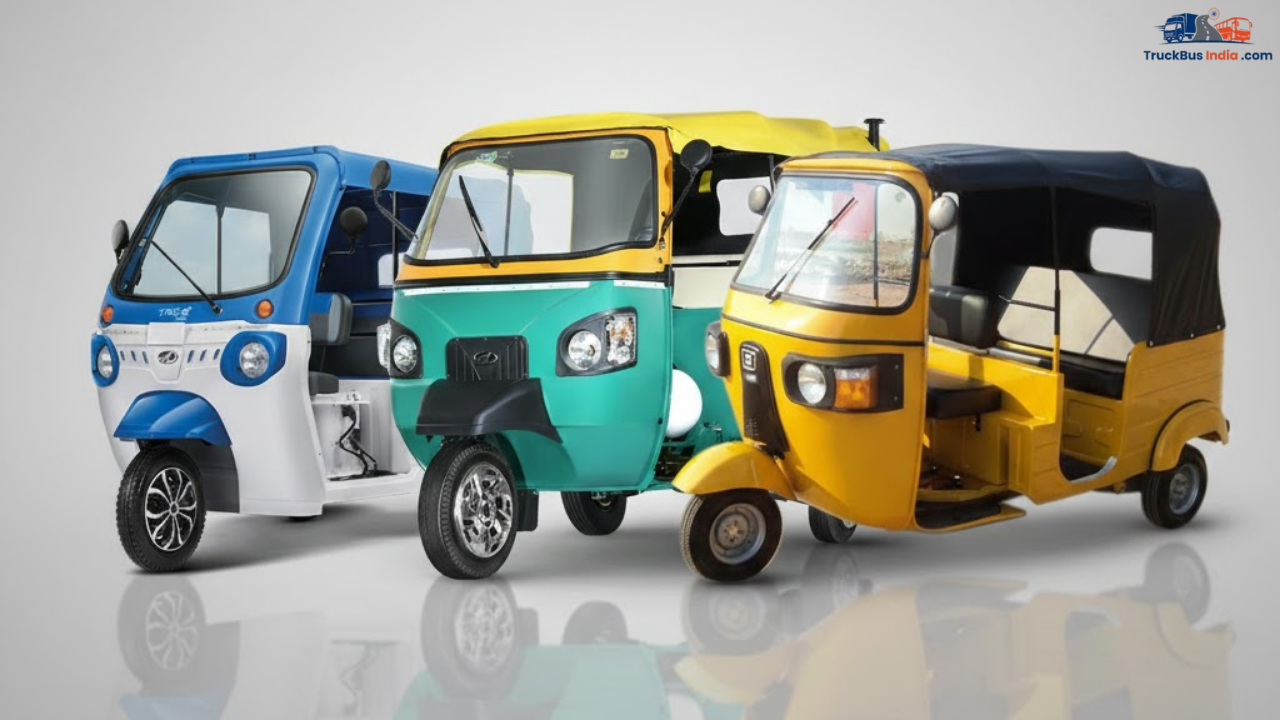
Passenger 3-Wheeler Segment Leads Growth
The passenger carrier sub-segment, which includes autorickshaws, continues to dominate India’s 3-wheeler market. In January 2026:
- Production: 1,04,256 units, up 32.9% YoY from 78,467 units in January 2025
- Domestic Sales: 60,881 units, a 30.4% increase compared to 46,674 units the previous year
- Exports: 36,251 units, marking 53% YoY growth
Passenger 3-wheelers remain the largest contributor to the market, supported by rising urban mobility demand and increasing export opportunities. The strong domestic performance reflects sustained consumer preference for cost-effective and fuel-efficient transport solutions, particularly in cities and semi-urban areas.
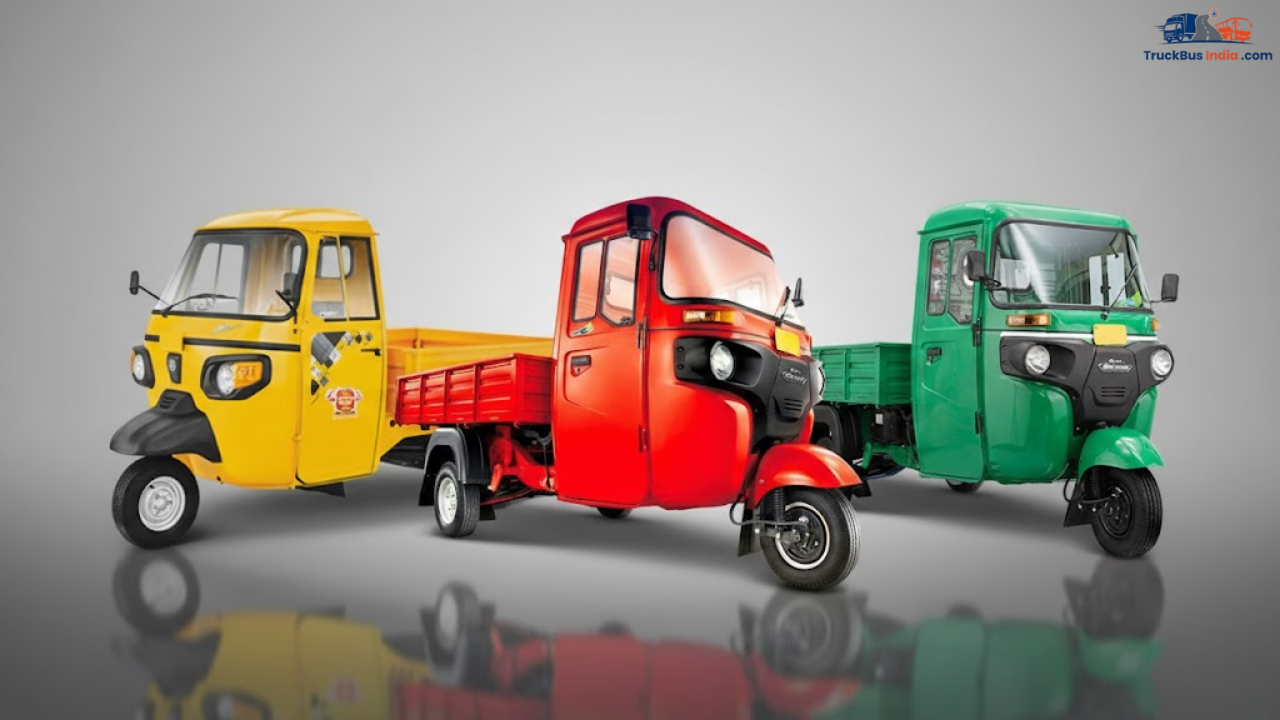
Goods 3-Wheeler Segment Shows Robust Performance
The goods carrier segment, vital for small-scale logistics and delivery services, also registered significant gains:
- Production: 14,030 units, a 32.7% YoY increase from January 2025
- Domestic Sales: 13,374 units, up 33.4% YoY
- Exports: 628 units, showing a 263% YoY jump
The surge in goods carrier exports indicates that international demand for India-made 3-wheelers is rising, especially in Southeast Asian and African markets. Manufacturers are increasingly focusing on improving cargo efficiency and durability to meet global standards.
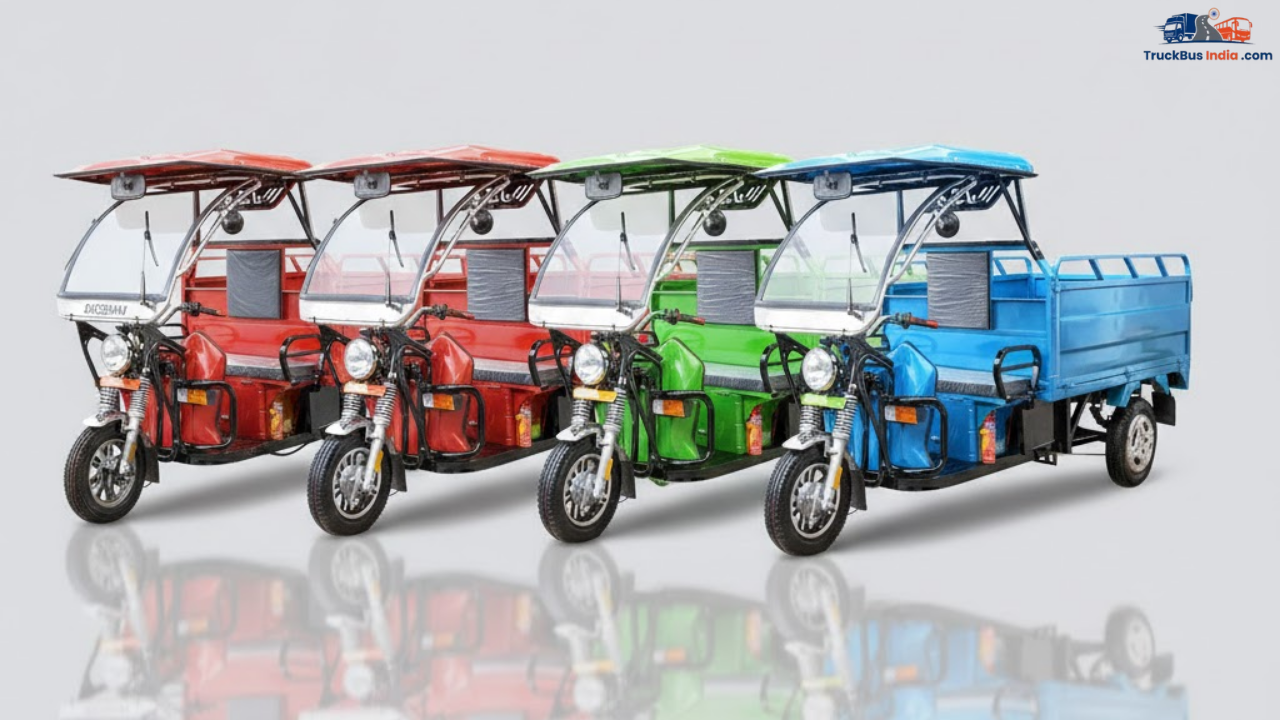
Electric 3-Wheelers Record Mixed Trends
The electric sub-segment, comprising e-rickshaws and e-carts, is gradually gaining traction, though domestic adoption remains uneven:
- E-Rickshaws: Production increased 81% YoY to 1,412 units, but domestic sales slightly declined 7.9% YoY to 925 units
- E-Carts: Production rose 22.3% YoY to 593 units, with domestic sales climbing 18.5% YoY to 545 units
These figures indicate that while manufacturers are ramping up production of electric 3-wheelers, the market is still adjusting to price, infrastructure, and adoption factors.
Export Market Gains Momentum
Exports of 3-wheelers rose 54.6% YoY in January 2026, with 36,879 units shipped compared to 23,859 units in January 2025. Both passenger and goods carriers contributed to this increase, highlighting India’s growing reputation as a hub for reliable and affordable 3-wheelers. Rising exports not only boost manufacturers’ revenues but also strengthen India’s position in the global automotive market.
Conclusion
January 2026 has been a strong month for India’s 3-wheeler segment. Passenger carriers and goods vehicles have driven domestic and international growth, while electric 3-wheelers show promising production trends. With rising sales, increasing exports, and continued investment in electric models, the 3-wheeler industry is well-positioned for sustained growth throughout 2026.