
News List
SIAM Hosts First Automotive Material Compliance Conference

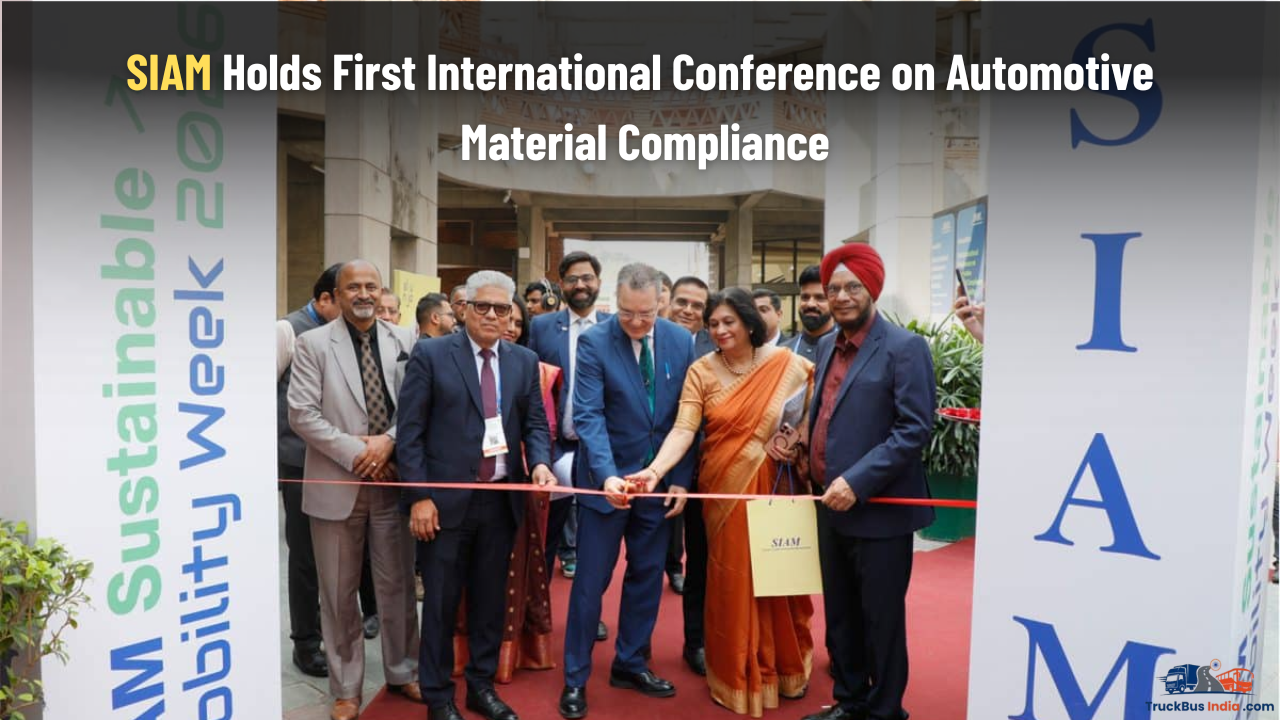
The Society of Indian Automobile Manufacturers closed its Sustainability Week 2026 with the inaugural International Conference on Automotive Material Compliance and Sustainability at India Habitat Centre in New Delhi. The four day event brought together regulators, policymakers, automotive executives, and supply chain experts from India, Europe, the United States, and Japan.
Organised under the theme Driving Circularity, Compliance, and Innovation in the Global Automotive Supply Chain, the conference focused on strengthening automotive material compliance across global value chains. The event marked SIAM’s first dedicated international forum centred on sustainability and regulatory alignment in the automotive sector.
SIAM Executive Director Prashant K. Banerjee highlighted India’s emergence as the world’s third largest automobile market and emphasised the country’s shift toward sustainable mobility. He referenced the End of Life Vehicles Rules, 2025 as a key framework aimed at improving vehicle scrappage systems, recycling efficiency, and resource recovery. The rules mandate responsibilities for manufacturers in handling end of life vehicles, aligning India more closely with international environmental standards.
A context paper titled Strengthening Automotive Material Compliance Across the Vehicle Value Chain was released during the conference. The document outlines policy measures and industry initiatives required to align India’s automotive ecosystem with global material compliance norms.
Digital Compliance and IMDS Adoption
Digital supply chain transparency was a central focus of the discussions. Industry representatives highlighted the increasing use of the International Material Data System, a global platform used to document the material composition of vehicle components. Active Indian users of IMDS reportedly rose from 3,600 to 21,000 in 2025, signalling stronger industry commitment to structured compliance reporting.
Speakers also discussed the importance of open data standards in global supply chains, noting that regulatory requirements across regions demand higher levels of data accuracy and interoperability.
Regulatory Pressures and Industry Readiness
Technical sessions addressed environmental regulations, including Persistent Organic Pollutants governed under the Stockholm Convention. Experts called on manufacturers to accelerate the transition toward safer chemicals and sustainable material choices.
Representatives from European, American, and Japanese automotive supplier associations shared insights on evolving compliance regulations and their implications for Indian manufacturers integrated into global markets.
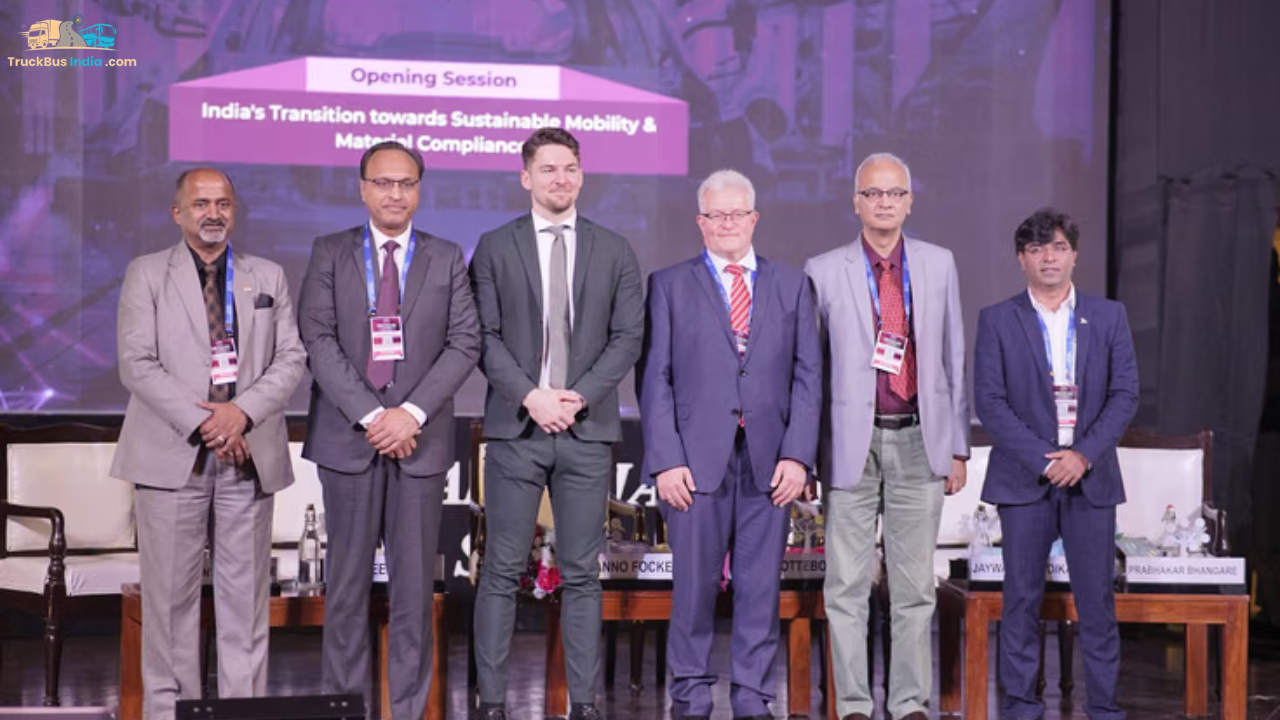
A panel discussion featuring executives from TVS Motor Company, Volvo, DENSO, Uno Minda, Southco, and APA Engineering examined implementation challenges for original equipment manufacturers and suppliers. Discussions highlighted varying levels of preparedness across the supply chain, particularly in compliance infrastructure and digital data management.
The conference reinforced SIAM’s role in facilitating dialogue between industry and regulators while positioning automotive material compliance as a strategic priority for India’s growing automotive sector.