
News List
Electric Semi Truck Market Projected to Reach USD 18.7 Billion by 2033

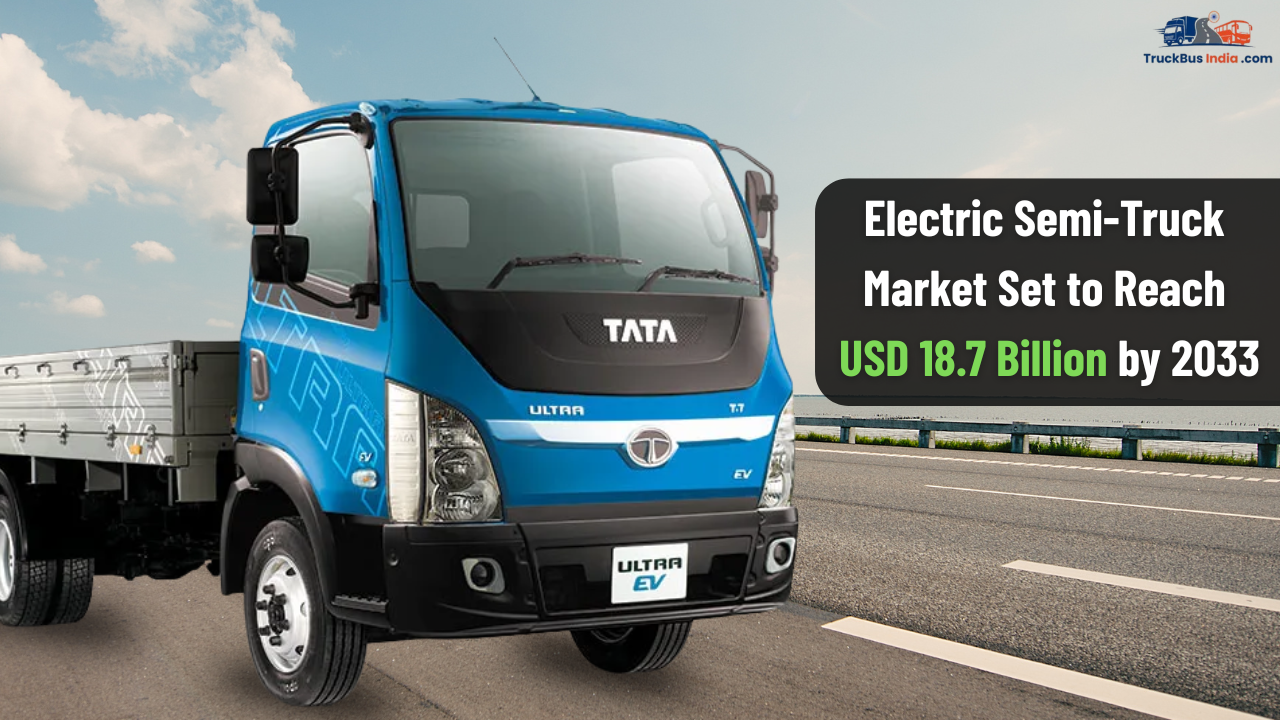
The global electric semi truck market is poised for rapid expansion over the next decade. According to Research Intelo, the market was valued at USD 3.2 billion in 2024 and is projected to grow to USD 18.7 billion by 2033. The report estimates a compound annual growth rate of 21.8 percent during the 2024 to 2033 period.
The surge reflects a broader shift in the global transportation and logistics ecosystem. Governments, corporations, and fleet operators are accelerating electrification efforts to meet climate commitments and reduce greenhouse gas emissions. As sustainability targets become more stringent, the electric semi truck market is moving from early experimentation to large scale commercial integration.
Structural Transformation in Freight Transportation
The freight industry is undergoing a structural reset. Electric semi trucks are transitioning from pilot deployments to active fleet integration across several markets. What was once seen as a limited range alternative is now emerging as a commercially viable solution for long haul and regional operations.
Zero tailpipe emissions, quieter performance, and digitally integrated drivetrains are reshaping how logistics companies view heavy duty transport. Fleet electrification is no longer driven only by environmental concerns. It is increasingly linked to operational efficiency, brand positioning, and long term competitiveness.
As supply chains face pressure to become cleaner and more transparent, electric semi trucks are becoming a visible component of corporate sustainability strategies.
Regulatory Pressure and Emission Reduction Goals
The transportation sector contributes nearly 20 percent of global carbon dioxide emissions, with heavy duty trucks accounting for a significant portion. This environmental impact has intensified regulatory scrutiny worldwide.
Governments across North America, Europe, and Asia are tightening emission norms while offering financial incentives to promote electric vehicle adoption. Measures such as anti idling regulations, low emission zones, and urban access restrictions are influencing procurement decisions among fleet operators.
At the same time, rising diesel costs are strengthening the economic case for electrification. Mandatory sustainability disclosures and net zero commitments are compelling logistics providers to reassess their reliance on internal combustion engine trucks. These combined pressures are accelerating growth in the electric semi truck market.
Technology Advancements Improve Commercial Viability
Technological progress has played a central role in improving the feasibility of electric semi trucks. Advances in battery energy density, thermal management systems, and charging technology have addressed earlier concerns about range and downtime.
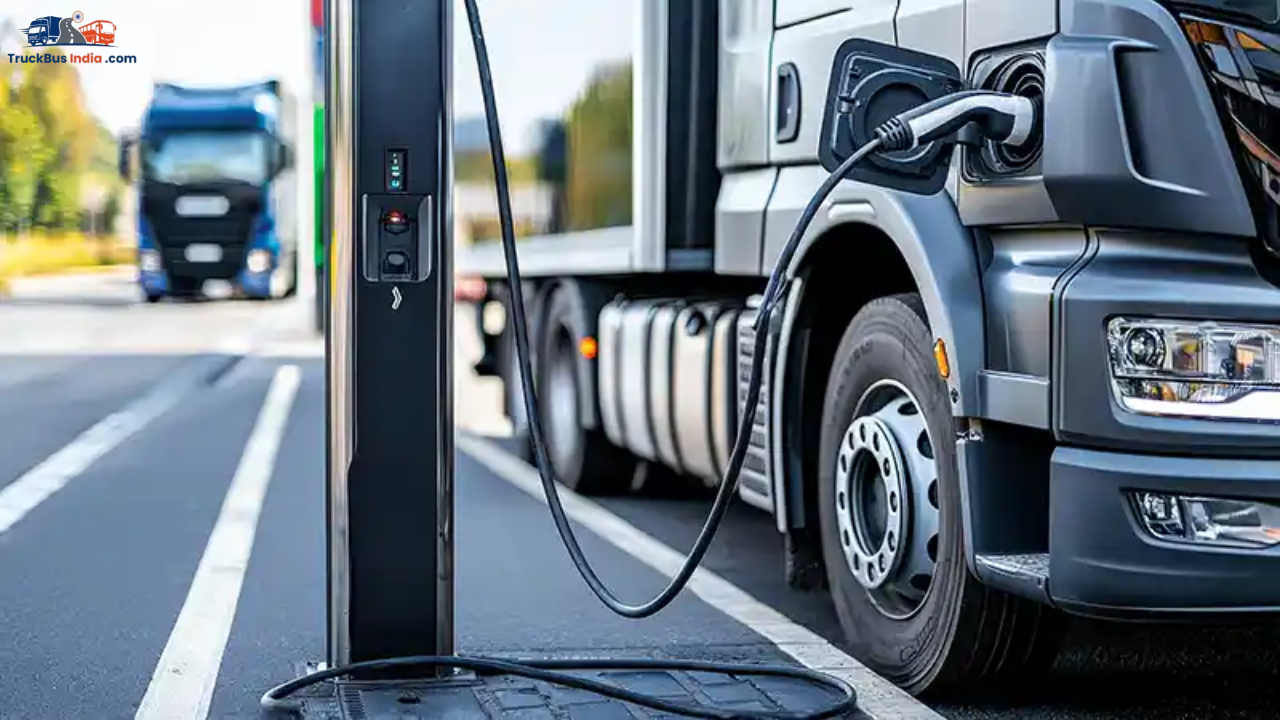
Key developments include the use of long range lithium iron phosphate batteries and research into solid state battery solutions. Megawatt charging systems are being introduced to reduce charging time significantly, enabling quicker turnaround for commercial fleets. In addition, AI driven telematics systems help optimize route planning, monitor battery performance, and improve overall energy efficiency.
These innovations are narrowing the performance gap between electric and diesel heavy duty trucks. In certain operational cycles, early adopters report comparable performance levels and improved cost predictability.
Total Cost of Ownership Strengthens Market Adoption
While the upfront purchase price of an electric semi truck remains higher than that of a diesel counterpart, the total cost of ownership presents a compelling argument.
Electric powertrains have fewer moving components, which reduces maintenance requirements. Lower fuel costs, particularly in regions with favourable electricity pricing, contribute to long term savings. Reduced downtime and predictable operating expenses enhance fleet efficiency.
For large logistics companies operating fixed routes, these cost advantages are becoming increasingly measurable. As battery costs continue to decline, the economic case is expected to strengthen further over the forecast period.
Competitive Landscape and Industry Participation
The competitive landscape of the electric semi truck market is intensifying as global manufacturers invest heavily in electrification strategies. Key companies shaping the market include Tesla, Volvo Group, Daimler Truck, BYD Company Limited, Nikola Corporation, Paccar Inc., Scania AB, MAN Truck and Bus, Hyundai Motor Company, Tata Motors Limited, and Cummins Inc.
These manufacturers are competing on range capability, payload efficiency, charging solutions, and integrated fleet management technologies. Strategic partnerships, battery supply agreements, and infrastructure investments are becoming central to market positioning.
Early adoption is strongest in sectors where predictable routes and return to base operations offer operational advantages. E-commerce logistics, food and beverage distribution, organised retail, port operations, and manufacturing supply chains are among the leading adopters.
Challenges and Market Outlook
Despite strong growth projections, certain barriers remain. High initial acquisition costs, uneven charging infrastructure, battery replacement concerns, and range limitations for ultra long haul routes continue to pose challenges.
However, industry stakeholders are actively addressing these issues through grid modernisation, renewable energy integration, development of dedicated electric freight corridors, and pilot programmes for battery swapping. The convergence of autonomous driving technologies with electric platforms may further enhance operational efficiency in the coming years.
Research Intelo projects that electric semi trucks will account for a significant portion of new truck sales over the next decade. Continued battery cost reductions, improved charging ecosystems, and evolving energy solutions such as green hydrogen for heavier applications are expected to support long term growth.
The electric semi truck market is no longer a speculative concept. It represents a structural shift in freight economics, environmental performance, and digital fleet intelligence. With sustained policy support and technological advancement, the sector is positioned to play a central role in the global decarbonisation journey.