
News List
Cash Payments Ending at 1,150+ Toll Plazas

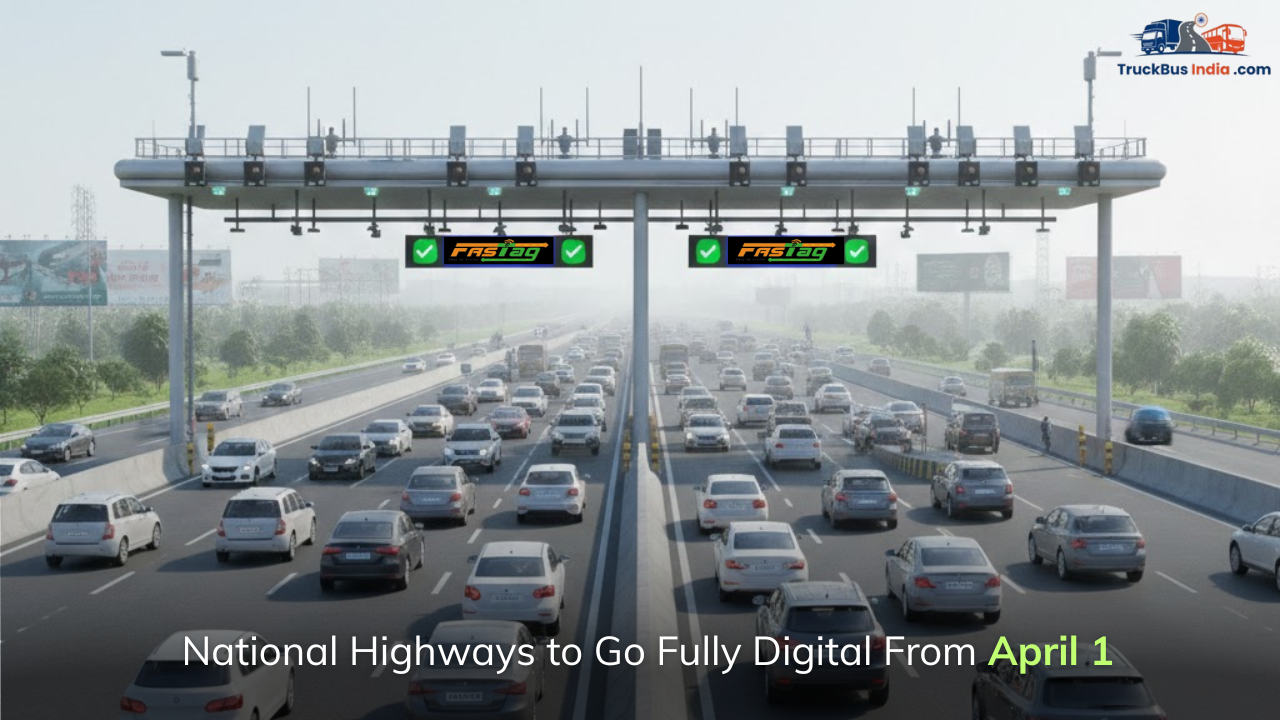
The Ministry of Road Transport and Highways has announced that cash transactions at national highway toll plazas will likely be discontinued from April 1. This move aims to make digital toll payments via FASTag or Unified Payments Interface (UPI) mandatory across all toll plazas, creating a fully digital collection system nationwide.
An official statement said, “Post implementation, all toll payments at National Highway fee plazas will be processed exclusively through digital modes using FASTag or UPI. This measure consolidates the gains achieved in Electronic Toll Collection and strengthens the efficiency and reliability of toll plaza operations.”
Digital Tolling for Faster, Smoother Travel
A plaza-level study cited by the ministry highlighted that cash payments often lead to traffic congestion, longer waiting times during peak hours, and disputes over transactions. The shift to digital-only payments is expected to improve operational efficiency, reduce delays, and enhance the overall experience for commuters at more than 1,150 toll plazas across national highways and expressways.
UPI as a Backup Option
In cases where FASTag fails to work, commuters can make instant payments using UPI. Vehicles arriving without a valid and functional FASTag face penalties: cash payments will incur double the applicable user fee, while UPI payments will attract a 1.25 times charge. This ensures compliance while still offering an alternative digital payment method.
FASTag Adoption and Revenue Growth
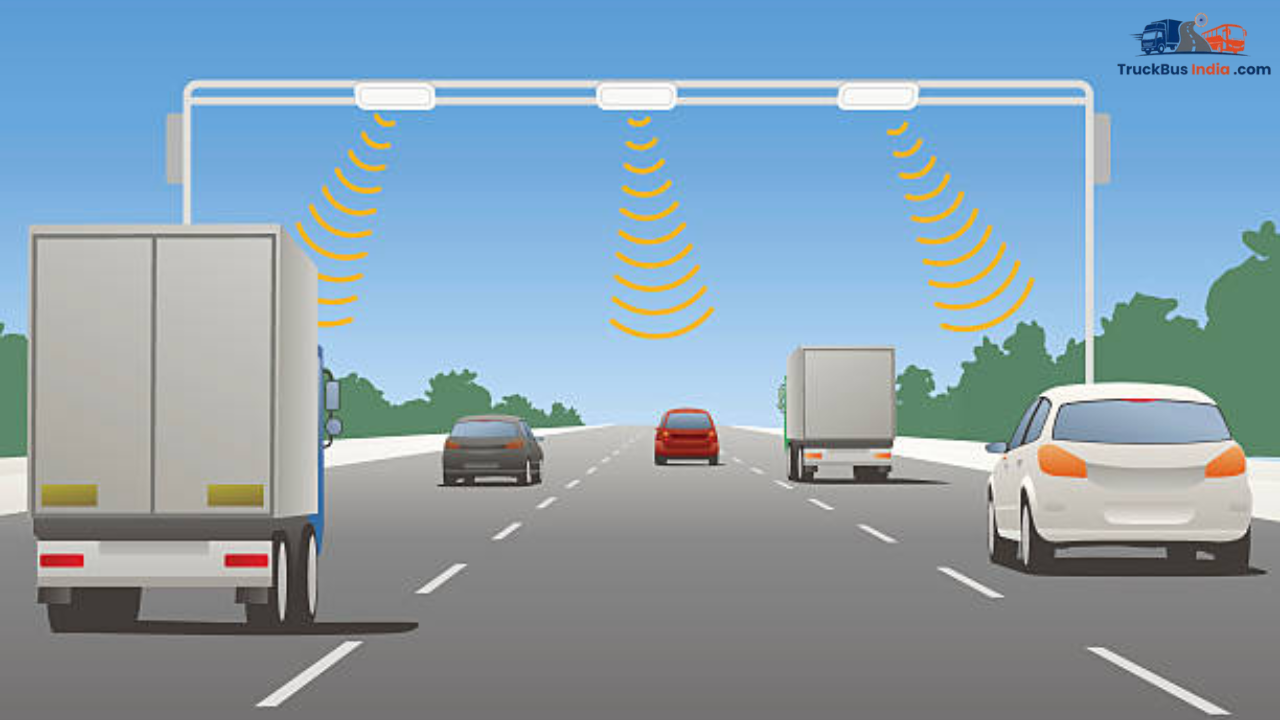
FASTag usage has already surpassed 98% penetration, transforming toll collection systems and reducing revenue leakages. Average daily toll collections have grown nearly fourfold over the last decade, rising from Rs 48.66 crore in 2015–16 to Rs 183.07 crore in 2025–26. Between April 1 and December 31 of the current financial year, total toll revenue reached Rs 50,345.10 crore, with nearly 98% processed electronically via FASTag.
Benefits of Digital-Only Tolling
The nationwide transition to cashless toll payments is expected to:
- Improve traffic flow and reduce congestion at toll plazas
- Increase lane throughput and commuting ease
- Ensure transparency and uniformity in toll transactions
- Minimise operational delays and disputes
The move marks a major step in India’s efforts to modernize national highway infrastructure while making road travel faster, safer, and more efficient for millions of commuters.