
News List
The Digital Construction Revolution: Why BIM is Shaping Global Infrastructure

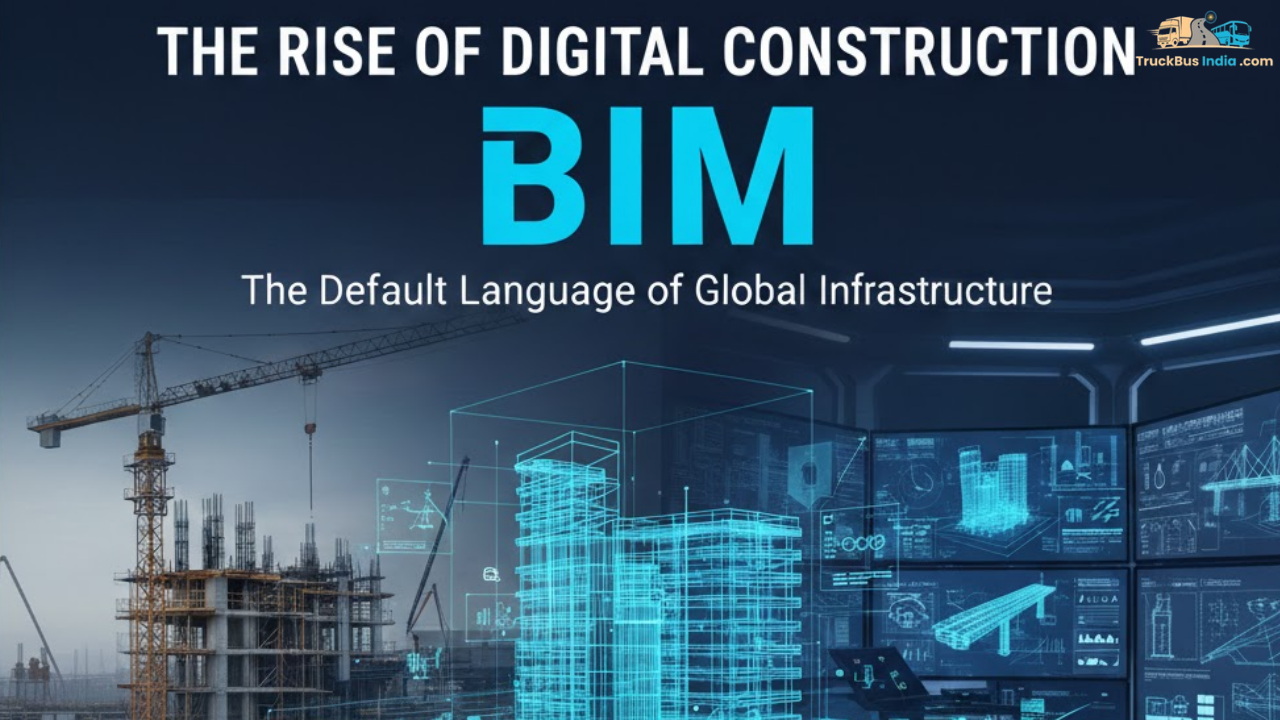
The construction industry is moving rapidly toward digital-first approaches, with Building Information Modelling (BIM) and Virtual Design & Construction (VDC) becoming central to how projects are planned, executed, and maintained. These technologies are transforming infrastructure development by improving collaboration, reducing costs, enhancing schedule reliability, and supporting inclusive, efficient, and resilient projects. BIM has evolved from a helpful tool to a fundamental methodology in modern construction.
The Growth of BIM in Global Construction
Global market estimates suggest that the BIM industry could reach approximately USD 4.5 billion by the end of 2025. More construction companies are adopting digital workflows, and over half of BIM users report a noticeable reduction in rework along with improved schedule predictability. These figures show that digital construction is becoming essential for modern infrastructure projects worldwide.
Digital Models for Collaboration and Efficiency
Unified Workflows for All Stakeholders
One of the major advantages of BIM is the ability to bring all project participants together on a shared digital platform. Architects, engineers, contractors, and site managers can collaborate in real time on 3D models that include features such as clash detection, cost estimation, scheduling, and material tracking. Unlike traditional paper drawings, these models are continuously updated, which reduces errors, prevents delays, and ensures that all teams have access to the latest information.
Benefits for Project Delivery
The practical outcomes of using digital models include fewer surprises on-site, less rework, faster project completion, and better cost control. Designers no longer depend on static printed blueprints. Instead, they work on live models that are continuously refined, reducing disputes and improving project timelines.
Lifecycle Management for Infrastructure
Historically, construction project data was archived and rarely revisited after completion. BIM and VDC change this by providing a complete digital record of an asset throughout its lifecycle, from construction to maintenance, renovation, and eventual decommissioning.
For example, engineers working on a bridge repair can access detailed information about its original construction, enabling safer and more efficient maintenance. Lifecycle-focused digital records also support environmentally sustainable practices, smarter upgrades, and improved long-term planning for infrastructure assets.
Broadening Participation in Infrastructure Projects
BIM is also making infrastructure projects more accessible to smaller contractors and agile teams. Large firms previously dominated because of their superior documentation and coordination capabilities. Today, cloud-based BIM platforms allow smaller firms to participate globally, contributing based on skill rather than company size.
This is especially important in emerging economies where infrastructure demand is high and resources are limited. By improving access to sophisticated digital tools, BIM encourages innovation, efficiency, and broader participation in major projects.
Challenges in Adopting Digital Construction
Despite its clear benefits, implementing BIM requires significant investment in software, hardware, and workforce training. Companies also face challenges such as standardizing data, ensuring interoperability, and shifting from traditional paper-based workflows. Successful adoption requires rethinking coordination, communication, and monitoring practices across projects.
Even with these challenges, the long-term advantages of improved efficiency, transparency, and cost management make digital transformation essential for construction companies worldwide.
Preparing the Next Generation of Professionals
For architects, engineers, project managers, and facility managers, proficiency in BIM and VDC is becoming a core professional requirement. Future projects will be digitally designed from the start, with teams collaborating across time zones. Infrastructure will be managed using continuous lifecycle data, enabling smarter maintenance, upgrades, audits, and compliance.
Performance will be measured not only on construction quality but also on efficiency, sustainability, cost control, and traceability. Mastering digital construction tools will be a key factor in succeeding in the next era of global infrastructure development.