
News List
Preventing Truck Wheel Separations: Maintenance Key

Wheel separations may be statistically uncommon, but when they occur, the consequences can be devastating. Industry estimates suggest that between five and ten such incidents happen somewhere in North America every day. Some have resulted in fatalities, prompting investigations and regulatory scrutiny over the years.
Research conducted in Ontario following fatal crashes in the 1990s revealed that maintenance failures were responsible for the overwhelming majority of cases. Similar findings were echoed in studies conducted in the United States. Despite advances in equipment design, the core causes remain largely unchanged.
Fasteners Remain the Weakest Link
Investigations into hundreds of wheel separation cases showed that more than 80 percent were linked to fastener failure. Bearing issues accounted for roughly 10 to 15 percent of incidents, while trailers were found to be more than twice as likely as tractors to lose a wheel.
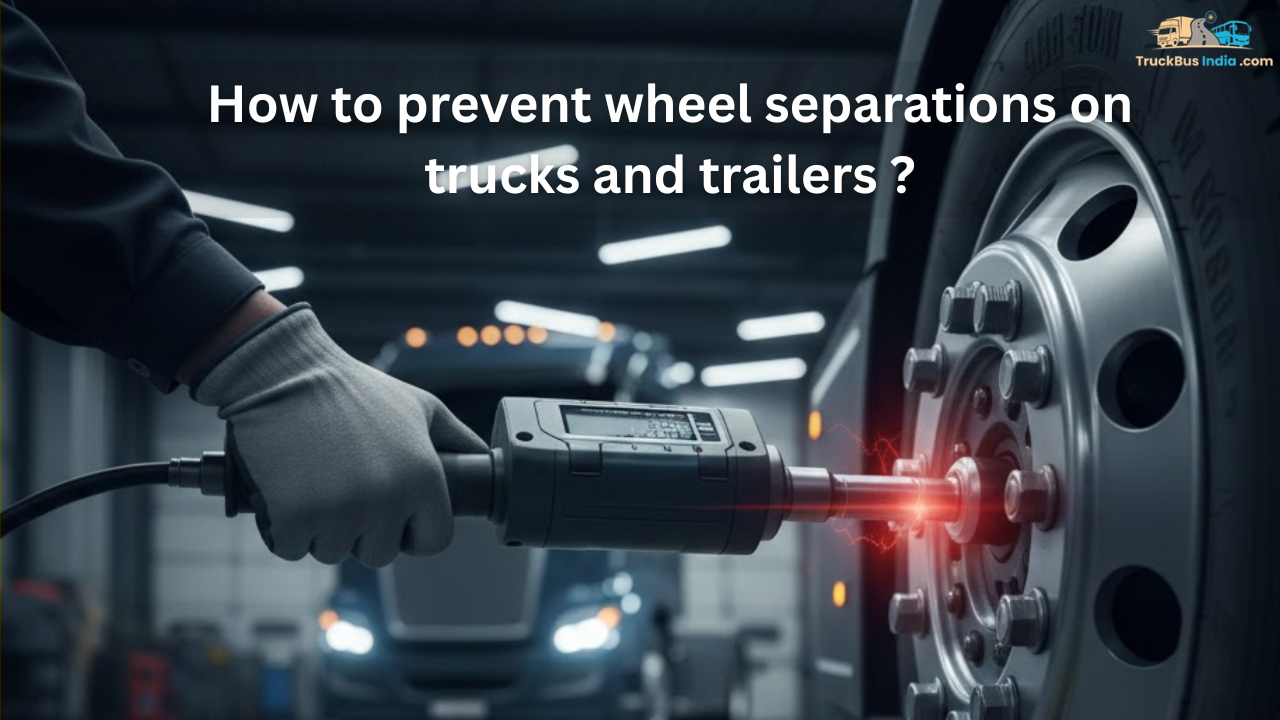
Fasteners typically fail due to incorrect torque application during installation. Both under tightening and over tightening create serious risks. Insufficient torque allows nuts to loosen gradually, while excessive torque can stretch studs beyond their elastic limit, leading to fractures.
Other contributing factors include:
• Dirty or corroded wheel and hub mating surfaces
• Reusing damaged studs or flange nuts
• Inadequate lubrication of threads
• Use of non compliant or inferior replacement parts
Manufacturers generally recommend torque values between 450 and 500 lb ft, assuming proper components and clean surfaces.
Bearing Failures Often Trace Back to Installation
While less common, bearing failures can be equally dangerous. Most stem from improper installation or inadequate lubrication. Incorrect bearing adjustment can cause overheating, lubricant leakage, or excessive movement that damages seals and hubs.
Experts stress that final bearing adjustment should always be verified using a dial indicator. Skipping this step compromises reliability across the fleet.
Drivers Also Share Responsibility
Although maintenance teams perform wheel end service, drivers are legally accountable once the truck is on the road. Visible warning signs often appear before a wheel separates, including oil streaks, hot hubs, shiny metal around nut flanges, elongated bolt holes, rust streaks, or cracked wheels.
Industry professionals recommend documenting inspections with photos to demonstrate compliance if questioned later.
Ultimately, preventing wheel separations depends on disciplined maintenance, proper torque procedures, trained technicians, and vigilant drivers. When any one link in that chain fails, the consequences can be catastrophic.