
News List
The Answers OEMs Need to Address for Commercial EV Penetration

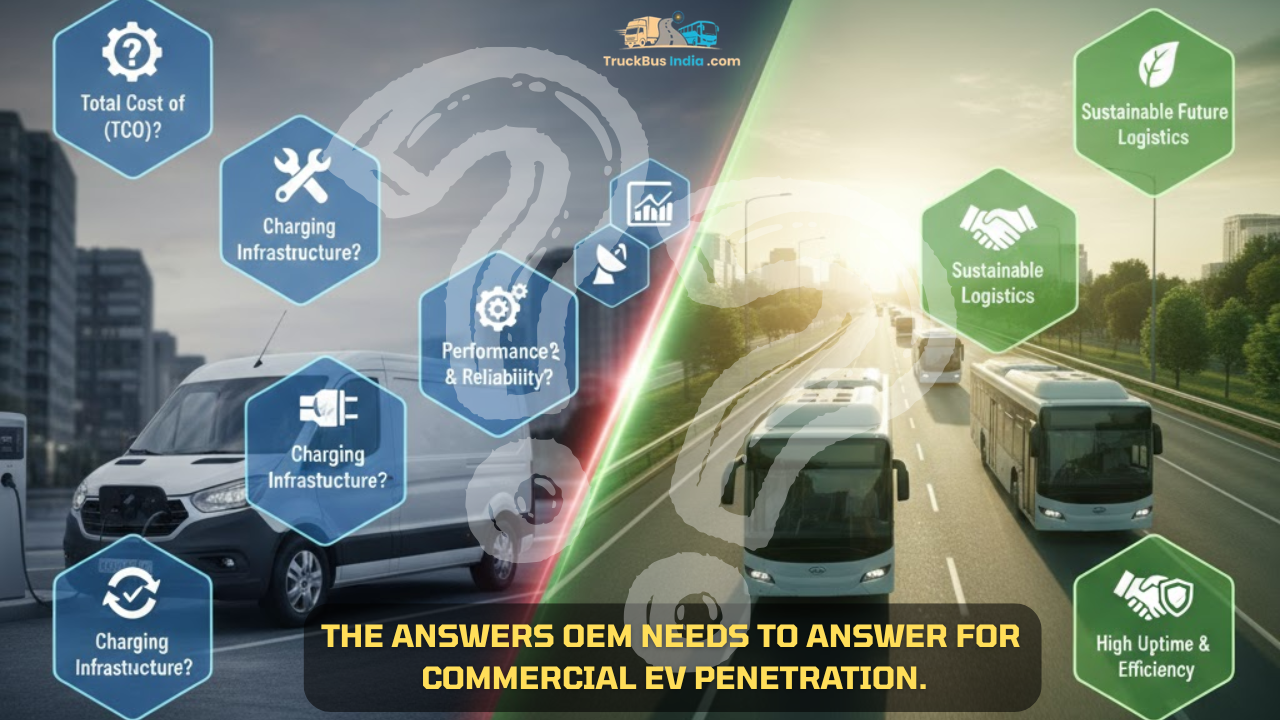
The global shift towards electric vehicles is no longer a vision for the future. Commercial electric vehicles, or EVs, are increasingly becoming central to logistics, public transport, and industrial mobility. However, their adoption depends on how well Original Equipment Manufacturers, or OEMs, address the unique needs of commercial operators. Success in the commercial EV sector requires more than building vehicles. It requires answering some fundamental questions that determine whether businesses will take the leap from traditional fuel-powered vehicles.
Understanding Total Cost of Ownership
For most commercial operators, the total cost of ownership is the first consideration. EVs promise lower operational costs because of reduced fuel expenses and simpler maintenance. However, upfront vehicle costs and battery replacement expenses often make fleet operators hesitant. OEMs need to provide clear financial models showing how maintenance savings and energy efficiency offset initial costs over the lifetime of the vehicle. Transparency in pricing and a clear demonstration of return on investment are critical to encourage fleet owners to adopt EVs at scale.
Addressing Charging Infrastructure
One of the biggest challenges for commercial EV adoption is charging infrastructure. Unlike personal vehicles, commercial fleets operate on strict schedules and require predictable access to power. OEMs must collaborate with energy providers, local authorities, and private partners to ensure fast, reliable, and accessible charging networks. Solutions such as depot-based charging stations, mobile charging units, or dedicated high-capacity chargers can make electric fleets operationally feasible. By actively participating in building these networks, OEMs can remove a significant barrier to commercial adoption.
Ensuring Performance and Reliability
Commercial operators need vehicles that perform consistently under demanding conditions. Payload capacity, range, and durability are crucial. OEMs must prove that their EVs can handle heavy loads over long distances and varied terrain without compromising efficiency. Real-world testing, case studies, and pilot programs help build confidence among fleet operators. Reliability is not just a selling point; it is a requirement for businesses that depend on vehicles to meet daily operational goals.
Fleet Management and Digital Integration
Modern commercial fleets rely heavily on digital tools for route optimization, maintenance planning, and monitoring performance. OEMs must offer solutions that integrate electric vehicle data into existing fleet management systems. Telemetry for battery health, energy consumption, and predictive maintenance can help fleet operators maximize efficiency and reduce downtime. By providing integrated software solutions, OEMs make it easier for businesses to transition from traditional vehicles to EVs while maintaining operational control.
Navigating Policies and Incentives
Government incentives, subsidies, and regulatory support play a major role in commercial EV adoption. OEMs need to guide businesses through these policies and ensure their vehicles comply with current and future regulations. Providing clarity on available financial benefits and assisting operators in accessing them can significantly influence decision-making. Companies that understand how to navigate incentives and compliance requirements will have a competitive advantage in promoting EV adoption.
Building Trust Through Education
Electric vehicles are still relatively new for many commercial users. Concerns about battery life, performance in extreme conditions, and charging times are common. OEMs need to educate fleet operators through workshops, demonstrations, and pilot programs. Clear communication about the capabilities and limitations of EVs helps build trust and reduces hesitation. Training drivers and maintenance teams is equally important to ensure a smooth transition.
Conclusion
The commercial EV market is growing rapidly, but widespread adoption depends on more than just manufacturing vehicles. OEMs must address the questions that matter most to fleet operators. Cost transparency, infrastructure solutions, proven performance, digital integration, regulatory guidance, and education are all essential elements. Companies that effectively address these areas will not only capture market share but also play a key role in shaping the future of sustainable transportation. The commercial EV sector represents an opportunity for OEMs to lead a transformative change in mobility, one fleet at a time.