
News List
Driver Shortage in the Truck Industry: A Growing Challenge

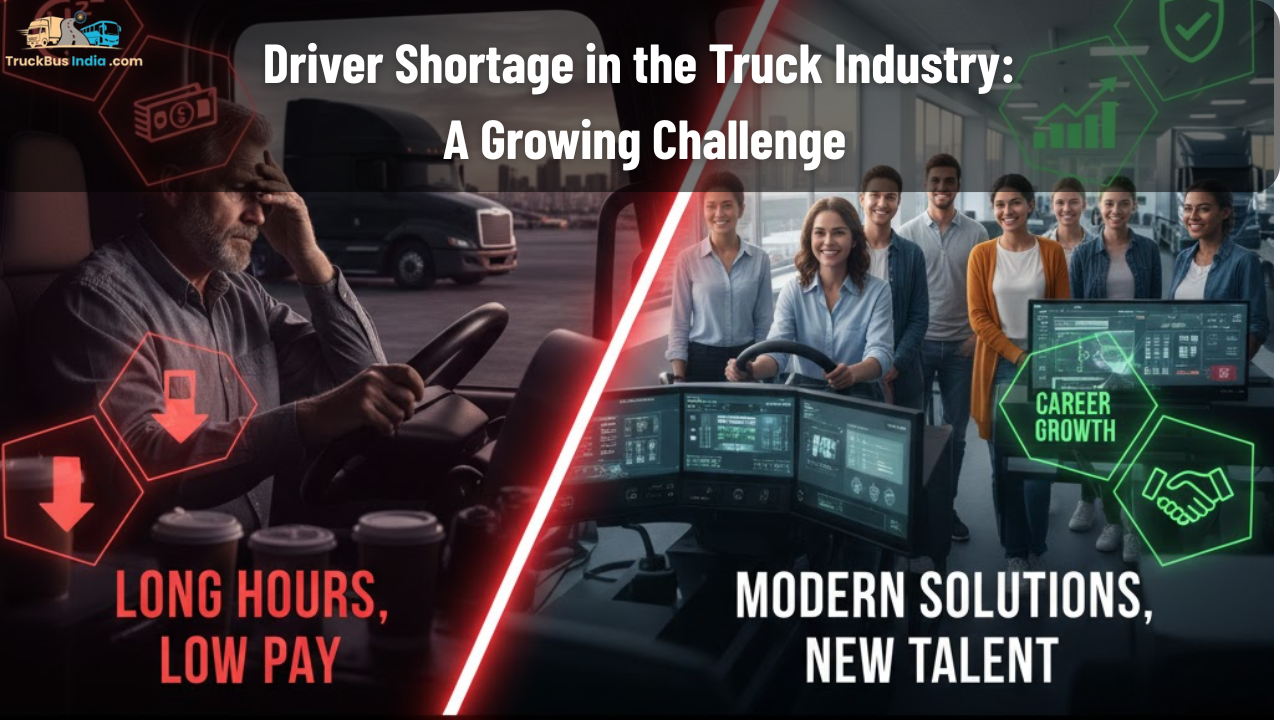
The trucking industry, a critical component of global freight and supply chains, is struggling to fill driver positions. This shortage is affecting operations, increasing costs, and could worsen in the coming years if not addressed.
1. How Severe Is the Driver Shortage?
According to the International Road Transport Union, approximately 3.6 million truck driver positions remain unfilled across 36 countries. Many regions are experiencing a significant gap between supply and demand for drivers.
Some estimates show unfilled positions in 2023 as:
- China: around 2.2 million
- Russia: approximately 302,000
- Europe: around 233,000
- Mexico: about 56,000
In the United States, the shortage ranges between 60,000 and 82,000 drivers, with ongoing challenges in attracting new entrants to the profession.
2. Major Causes of the Driver Shortage
Aging Workforce
A large share of truck drivers are over 55 years old. With many nearing retirement, there are fewer younger drivers to replace them.
Limited New Entrants
Younger generations are less likely to join the trucking industry due to the costs and effort required for training and licensing.
Challenging Work Conditions
Long hours, time away from home, and limited facilities on the road make the job demanding. This contributes to high turnover and discourages new workers.
Regulatory and Training Barriers
Obtaining a commercial driving license can be expensive and time-consuming. Regulations such as hours-of-service limits add to the complexity of the job.
3. Impacts on Industry and Economy
Rising Operating Costs
Carriers are offering higher wages and incentives to attract drivers, increasing the overall cost of freight.
Supply Chain Delays
Driver shortages lead to delayed shipments, inefficiencies in logistics, and difficulties for smaller carriers in maintaining service.
Safety Concerns
Limited staff and longer shifts may lead to driver fatigue, increasing the risk of accidents on the road.
4. Future Projections
If no solutions are implemented, the global driver shortage could double by 2028. This could result in more than 7 million unfilled positions in key countries, threatening the stability of global supply chains.
5. Potential Solutions
Improving Work Conditions
Better rest facilities, predictable schedules, and improved benefits could attract and retain drivers.
Training and Recruitment Programs
Subsidizing commercial driving licenses and promoting trucking careers among younger people can help increase workforce numbers.
Technology and Efficiency Improvements
Digital tools for scheduling, freight matching, and route optimization can reduce pressure on drivers and improve productivity.
Driver Assistance and Autonomous Technologies
Advanced assistance systems can support drivers, and future autonomous trucks may supplement human drivers in the long term.
Conclusion
The shortage of truck drivers is a structural challenge that affects global trade, logistics, and economic stability. Addressing this issue requires a combination of better working conditions, recruitment initiatives, and technology adoption. Without decisive action, the trucking industry will continue to face operational and financial pressures in the years ahead.