
News List
Are LNG Trucks the Future of Indian Logistics?

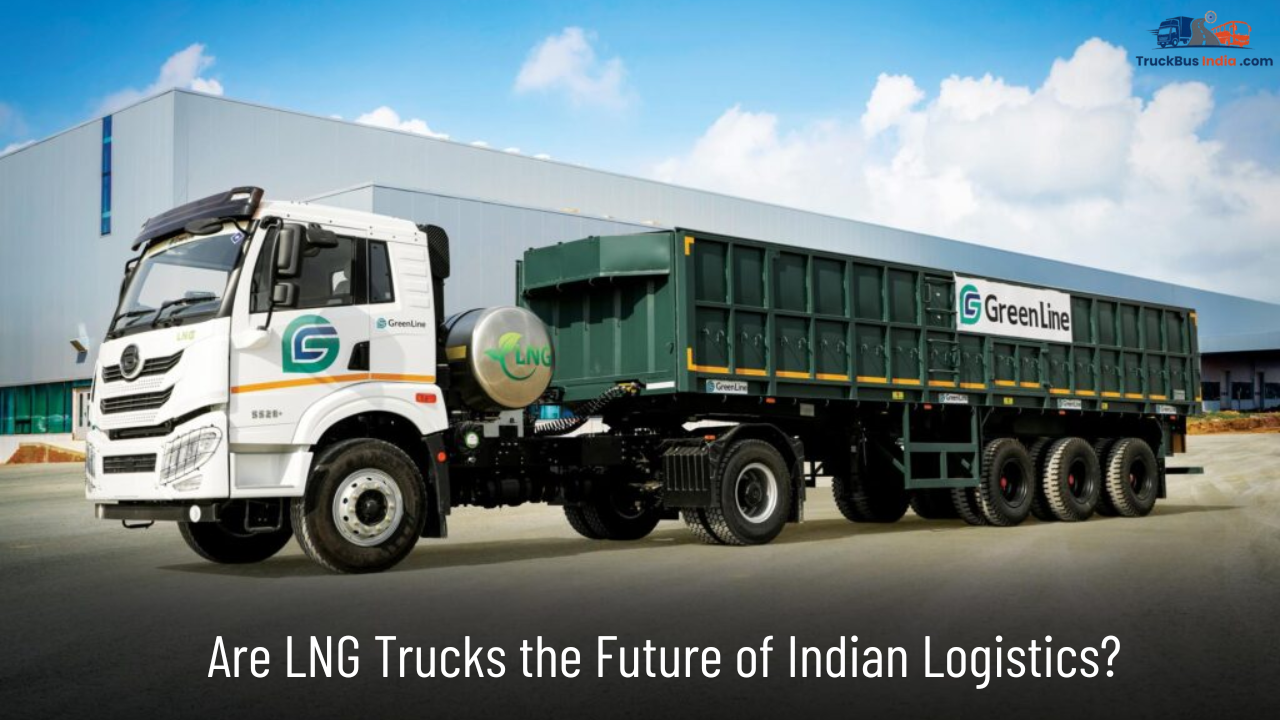
India’s logistics sector is evolving rapidly, driven by growing e-commerce, industrial demand, and government initiatives to reduce carbon emissions. In this landscape, Liquefied Natural Gas (LNG) trucks are emerging as a potential game-changer for freight transport.
LNG, a cleaner alternative to diesel, offers several advantages. It emits 20–30% less CO₂ and almost zero particulate matter compared to conventional fuels, aligning with India’s commitment to achieve net-zero emissions by 2070. For logistics operators, this translates into not only environmental compliance but also potential savings on carbon-related costs.
Operational efficiency is another strong point. LNG trucks have a longer range per refuel than CNG vehicles and can carry heavier loads than electric trucks, making them suitable for long-haul freight across India’s vast highways. With fuel costs being a major component of logistics expenditure, LNG, which is often cheaper than diesel, can significantly reduce operating costs. Companies like Ashok Leyland and Tata Motors are already testing LNG trucks in India, signaling growing industry interest.
However, the transition is not without challenges. The LNG refueling infrastructure is still sparse, concentrated mainly in industrial hubs, limiting nationwide adoption. High initial costs of LNG trucks compared to diesel counterparts can deter smaller fleet operators. Moreover, awareness and technical expertise in handling LNG vehicles remain limited, requiring industry-wide training and safety standards.
Despite these hurdles, the Indian government’s push for alternative fuels through incentives, tax benefits, and dedicated LNG corridors is encouraging. As infrastructure expands and more fleet operators embrace LNG, the technology has the potential to revolutionize freight logistics, especially for long-distance transport.
In conclusion, while LNG trucks are not yet ubiquitous, they represent a pragmatic bridge between conventional diesel and fully electric fleets. Their ability to reduce emissions, lower fuel costs, and support heavy-duty, long-haul operations positions them as a viable solution for the future of Indian logistics. The pace of adoption will depend on infrastructure development, government support, and industry readiness, but the trajectory points toward LNG playing a key role in shaping a more sustainable and efficient freight transport ecosystem.