
News List
Government Launches Bharat Taxi, India’s Cooperative Cab Model

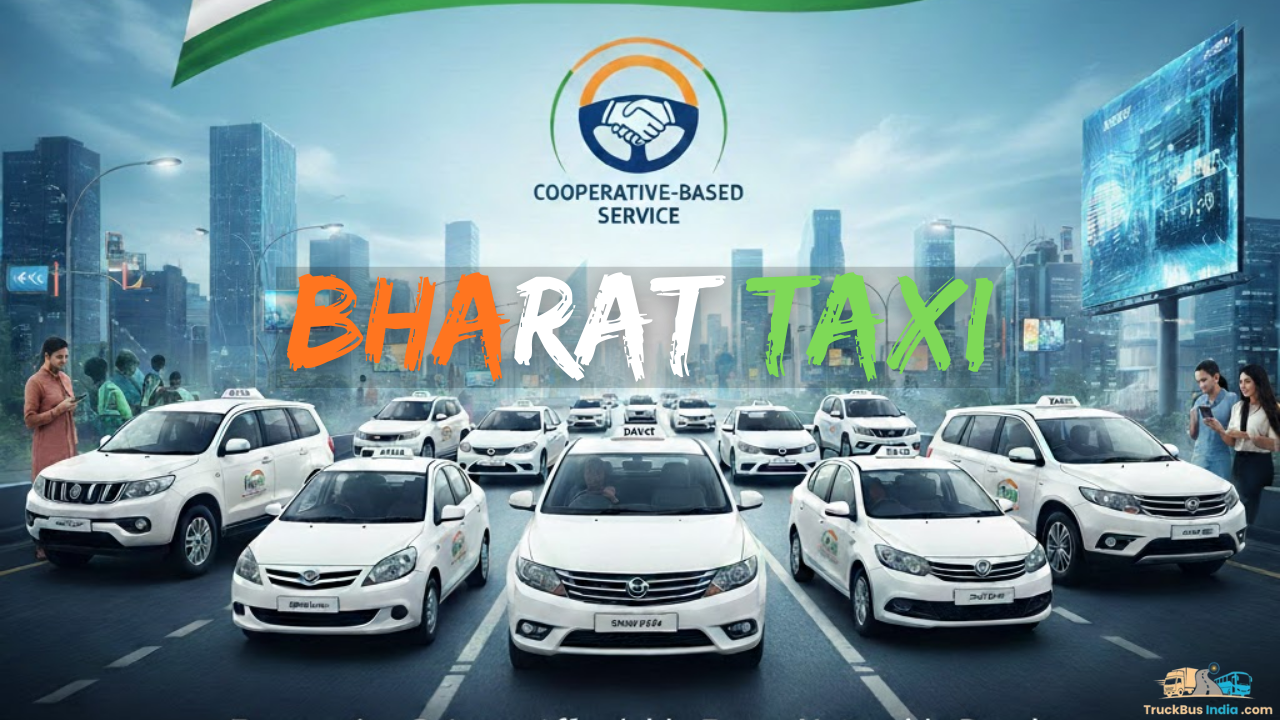
Government Introduces Bharat Taxi To Redefine Driver Ownership
In a significant move aimed at empowering unorganised workers, the Government of India has launched the country’s first cooperative-based taxi service, Bharat Taxi, in New Delhi. The initiative is designed to provide taxi drivers—referred to as “Sarathis”—with genuine ownership rights rather than treating them merely as service providers under traditional ride-hailing platforms.
The launch event was presided over by Union Home and Cooperation Minister Amit Shah, with Cooperation Secretary Ashish Kumar Bhutani, Union Ministers of State for Cooperation Krishan Pal Gurjar and Murlidhar Mohol, along with other key dignitaries in attendance. More than 1,200 Sarathis from various states participated in the event, reflecting strong grassroots support for this new model.
Vision Behind The Cooperative Taxi Model
Addressing the gathering, Amit Shah emphasised that Bharat Taxi is not a government-run cab service but a cooperative owned and controlled by the drivers themselves. He explained that while Sarathis can continue driving taxis, joining Sahakar Taxi (the cooperative behind Bharat Taxi) would ensure that their earnings remain with them rather than going to corporate intermediaries.
He highlighted that successful cooperative institutions like Amul, IFFCO, and KRIBHCO started with minimal capital but grew into powerful economic entities. Similarly, Sahakar Taxi requires a maximum share capital of just 500 rupees per Sarathi, making ownership accessible even to those with limited financial means.
Shah also drew parallels with the Amul model, noting how millions of women dairy farmers transformed their livelihoods through cooperative participation. He expressed confidence that Bharat Taxi could bring similar economic empowerment to taxi drivers across the country.
How Bharat Taxi Will Operate
Bharat Taxi follows a democratic governance structure where two Sarathis will be elected every five years to serve on the Board. These representatives will make decisions on behalf of the driver community, ensuring that policies align with their interests.
Unlike conventional ride-hailing platforms that charge high commissions, Sahakar Taxi will retain only 20% of total profits for operational and capital needs. Importantly, even this 20% will remain within the cooperative’s capital, meaning Sarathis collectively own it. Bharat Taxi will not deduct any commission from drivers’ earnings, allowing them to receive full payments directly into their bank accounts.
The service will integrate 2-wheelers, 3-wheelers, and 4-wheelers into a single platform, catering to diverse commuter needs. A dedicated “Sarathi Didi” feature will be introduced in the app, enabling women passengers to request rides exclusively from female drivers, who will primarily operate 2-wheelers at affordable rates.
Strategic Partnerships Strengthen Bharat Taxi
To enhance its reach and credibility, Bharat Taxi has signed MoUs with nine major institutions, including State Bank of India, Delhi Traffic Police, Delhi Metro Rail Corporation, Airport Authority of India, and IFFCO Tokio Insurance. These collaborations are expected to improve service accessibility, safety, and financial support for both drivers and passengers.
A New Chapter For India’s Cooperative Movement
The launch of Bharat Taxi marks a modern evolution of India’s 125-year-old cooperative movement. The government plans to extend this ownership-rights model to three or four additional sectors in the near future, particularly those dominated by unorganised workers.
With its commission-free structure, democratic governance, and focus on driver welfare, Bharat Taxi has the potential to challenge traditional ride-hailing platforms while setting a precedent for worker-centric business models in India.