
News List
Leafy Scales Electric Intercity Bus Network Rapidly

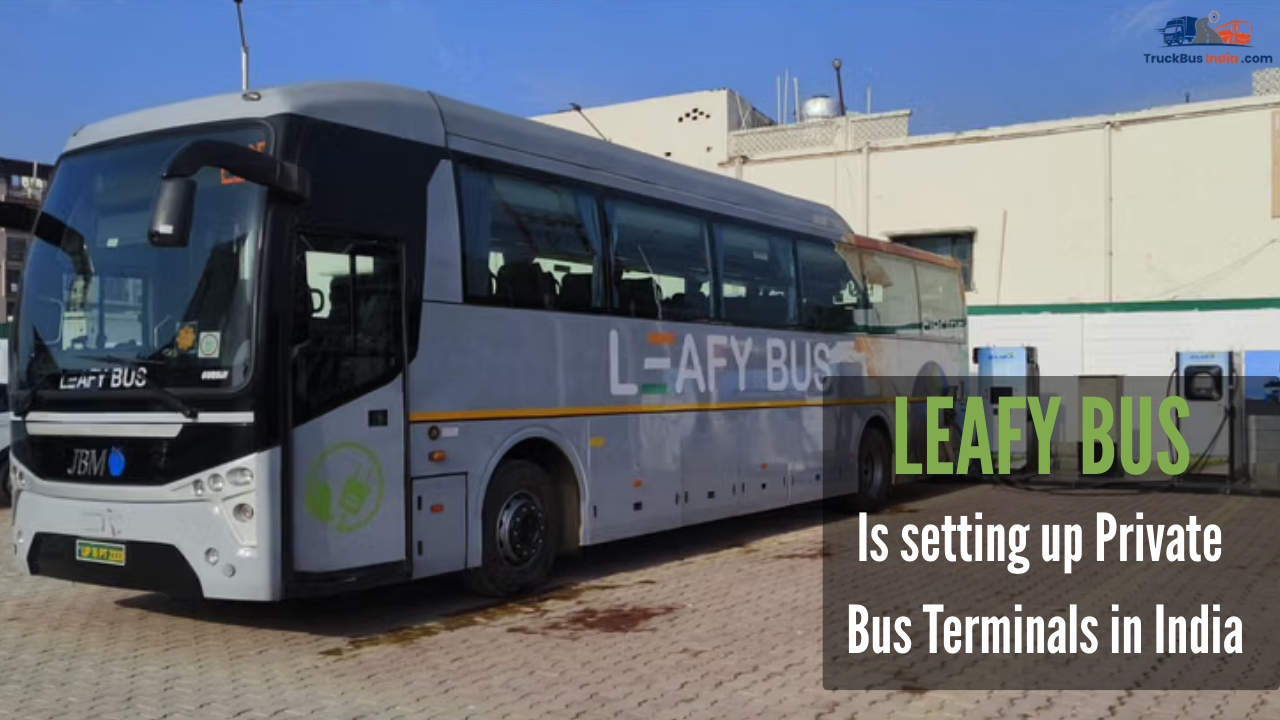
India’s intercity bus market is gradually embracing electric mobility, but challenges around charging infrastructure, turnaround times, and passenger experience remain a key bottleneck. Delhi-based operator Leafy Bus is addressing these issues by building private bus terminals designed specifically for electric vehicles, combining fleet operations with captive infrastructure to ensure efficiency and predictability.
Rohan Dewan, founder and CEO of Leafy, told Autocar Professional that the strategy focuses on integrating charging, parking, and passenger amenities in a hub-and-spoke model. “These are closed, secure facilities where buses are charged on schedule and passengers can board in a predictable environment,” he explained.
Fleet Expansion Plans
Founded in late 2024, Leafy currently operates 22 electric sleeper buses across four routes: Delhi–Dehradun, Delhi–Agra, Delhi–Jaipur, and Delhi–Lucknow. The company aims to scale its fleet to 55 buses by the end of the current financial year and targets close to 500 buses over the next three years, supported by nearly 80 hubs across India.
Captive Infrastructure and High-Capacity Charging
To overcome inconsistencies in public charging infrastructure, Leafy has partnered with Glida to deploy 360 kW DC fast chargers at its hubs in North India. These chargers can fully charge an intercity bus in roughly one hour. Leafy operates under an asset-light model, paying per unit while retaining exclusive access, ensuring reliability as the fleet scales.
Leasing-Led Fleet Procurement
While the company initially purchased buses, Leafy is transitioning toward a leasing-led model, with 80% of buses expected under long-term leases spanning 7–10 years, including AMC coverage. This approach allows rapid fleet expansion without tying up significant capital in depreciating assets.
OEM-Built Buses for Safety and Reliability
Leafy is collaborating with Eicher and JBM Group for its electric fleet. The company insists on fully built OEM buses rather than traditional body-built vehicles to ensure structural integrity and passenger safety, especially for long-distance sleeper services. “A fully built OEM bus is closer to a car in terms of structural integrity,” Dewan said, highlighting safety concerns after recent accidents involving body-built buses.
Commercial Viability and Additional Revenue Streams
Leafy reports being unit-economics positive across routes, with passenger fares averaging around ₹2 per kilometre, similar to premium diesel services. Beyond ticket revenue, the private terminal model allows monetisation through retail, food courts, solar power, and potentially offering charging access to other operators.
Early Success and Future Outlook
Since launching operations, Leafy has covered nearly 12 lakh kilometres and served 1.5 lakh passengers, with repeat usage rising, especially among younger travellers. The company is focused on disciplined, route-level expansion, prioritising profitability over aggressive growth.
With private hubs, OEM-built buses, and a leasing-based fleet strategy, Leafy is positioning itself as a frontrunner in India’s electric intercity bus market, aiming to create scalable, reliable infrastructure ahead of demand.