
News List
New Sleeper Bus Safety Rules Enforced Across India

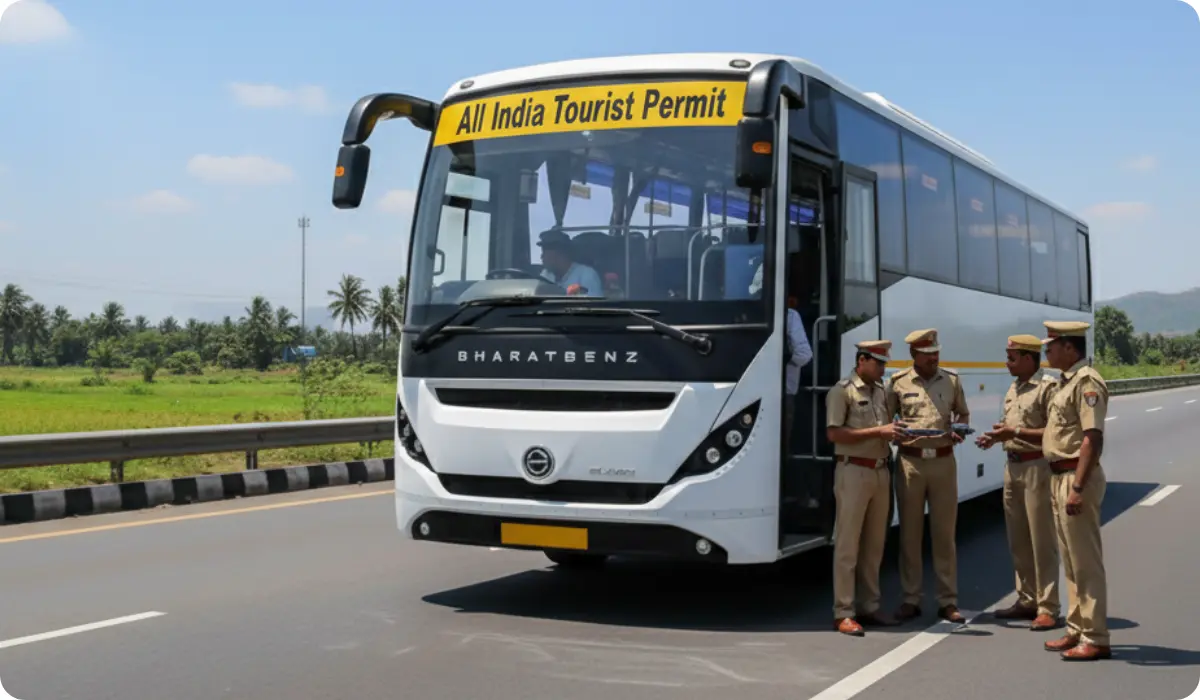
India has rolled out stricter safety regulations for sleeper buses following directions from the National Human Rights Commission (NHRC), significantly tightening design, construction, and operational standards for buses operating on long-distance routes. The new sleeper bus rules aim to plug critical safety gaps that came into focus after multiple fatal fire accidents involving sleeper coaches across the country.
According to officials, the NHRC intervened after observing repeated incidents where poor emergency preparedness, unsafe bus body designs, and delayed fire detection led to heavy loss of life. In several recent accidents, nearly 165 passengers were reported to have died, raising serious concerns around passenger safety and the constitutional right to life. Based on these findings, the Commission issued directives to state governments, urging immediate enforcement against non-compliant sleeper buses.
The new rules apply to a wide range of stakeholders, including sleeper bus operators, fleet owners, bus body builders, vehicle registering authorities, and transport officials involved in approvals and inspections. Both existing sleeper buses currently in operation and new sleeper buses seeking registration fall under the scope of these regulations, though timelines and compliance conditions vary.
Transport authorities have allowed a 30-day window for operators to upgrade existing sleeper buses and meet mandatory safety norms. Once this period ends, non-compliant buses can be stopped from operating, permits and registrations may be cancelled, and legal or administrative action can be initiated. Operators have been strongly advised to carry out immediate safety audits of their fleets.
Under the revised framework, all sleeper buses must comply with AIS-052 and AIS-119 bus body standards. Enclosed or partitioned driver cabins are no longer permitted and must be removed. Sliding doors on sleeper berths have also been banned, with only curtains allowed for passenger privacy. Additionally, installation of Fire Detection and Suppression Systems (FDSS) has been made compulsory across all sleeper buses, including those already in service.
Fire safety requirements have been further strengthened through mandatory installation of minimum 10-kg fire extinguishers, which must be easily accessible, functional, and regularly inspected. Sleeper buses constructed using chassis extensions have been prohibited and must either be rectified or withdrawn from service.
For new sleeper bus registrations, authorities have clarified that only buses built by approved body builders will be considered valid. Registrations must be supported by proper documentation, including Form 22A or 22B, along with verified accreditation of the body builder. Approved layout drawings, emergency exits, and emergency hatches are also mandatory, and any deviation can lead to denial of registration.
The NHRC has instructed state transport departments to take strict action against violations, including cancelling permits, stopping operations, and initiating proceedings against operators, body builders, and officials found negligent. States have also been asked to submit compliance and action-taken reports.
Industry experts say proactive compliance will be critical for operators to avoid service disruptions and penalties, as enforcement of the new sleeper bus rules is expected to be rigorous nationwide.