
News List
FASTag rules updated in 2026 for tolls

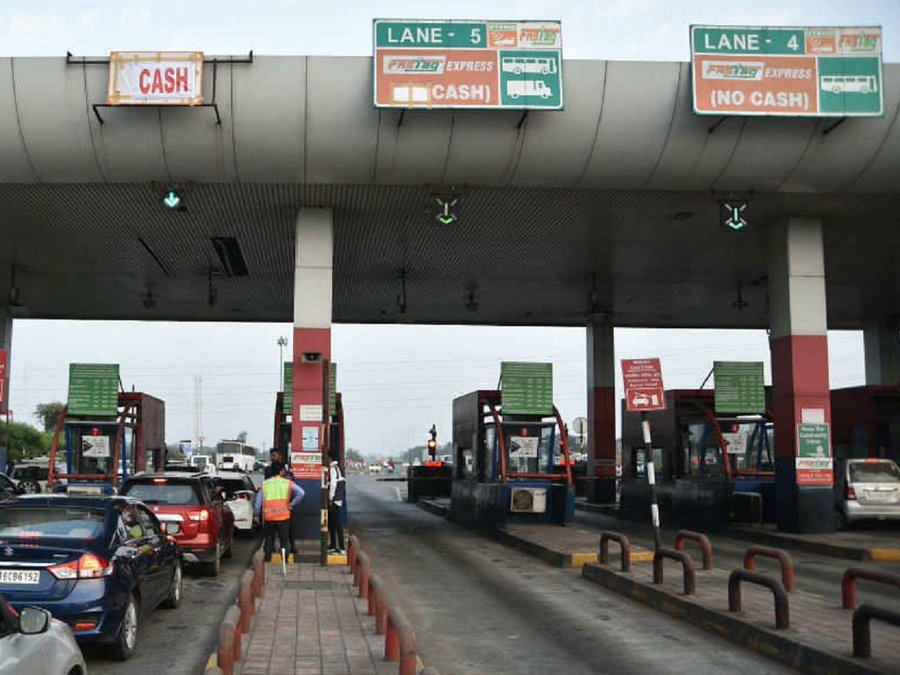
FASTag, once introduced as a convenient way to pay tolls without cash, has now become a critical part of highway travel in India. With rising vehicle numbers and growing pressure on toll infrastructure, the government has introduced a fresh set of FASTag rule changes for 2026 to tighten compliance, curb misuse, and ensure smoother traffic movement across national highways.
Under the updated framework issued by the National Highways Authority of India, toll collection is moving fully into a digital and barrier-free system. From April 1, 2026, cash payments will no longer be accepted at national highway toll plazas. Vehicle owners must use FASTag or digital options such as UPI to clear toll charges. Drivers reaching toll booths without an active FASTag or sufficient balance may face delays and higher charges.
One of the major changes involves stricter toll pricing for vehicles not using FASTag. Vehicles paying through UPI without a FASTag will be charged 25 percent more than the standard toll. Those attempting to pay in cash without a FASTag may be charged double the regular toll amount. Vehicles using invalid or blacklisted FASTags can face penalties in addition to toll fees, as per NHAI rules.
To strengthen verification and prevent incorrect tagging, FASTag activation will now require mandatory validation through the VAHAN database, India’s official vehicle registry. Banks and FASTag issuers must match vehicle details digitally before activation. If records are unavailable on VAHAN, registration certificates will be manually verified. Activation will only be completed after all vehicle details are confirmed.
Another key update simplifies the onboarding process for private vehicle owners. From February 1, 2026, the Know Your Vehicle step has been removed for new FASTags issued to cars, jeeps, and vans. Earlier, users had to complete KYV after activation, often leading to delays and confusion. Now, verification will be completed before issuance, reducing post-activation issues. Existing FASTags will not require KYV unless there is a mismatch or technical problem.
The FASTag Annual Pass, introduced in August 2025, continues to gain popularity in 2026. Priced at approximately $36, the pass allows up to 200 toll crossings per year for private non-commercial vehicles on selected national highways and expressways. Frequent highway users see this as a cost-effective option that reduces recharge hassles and improves travel predictability.
With these changes, FASTag has evolved from a payment tool into a digital compliance system. Drivers are advised to keep their FASTag active, maintain adequate balance, and ensure correct vehicle linkage to avoid penalties, delays, or account blocking as India moves toward a fully cashless toll network.