
News List
Ashok Leyland Eyes Global Top 10 Ranking

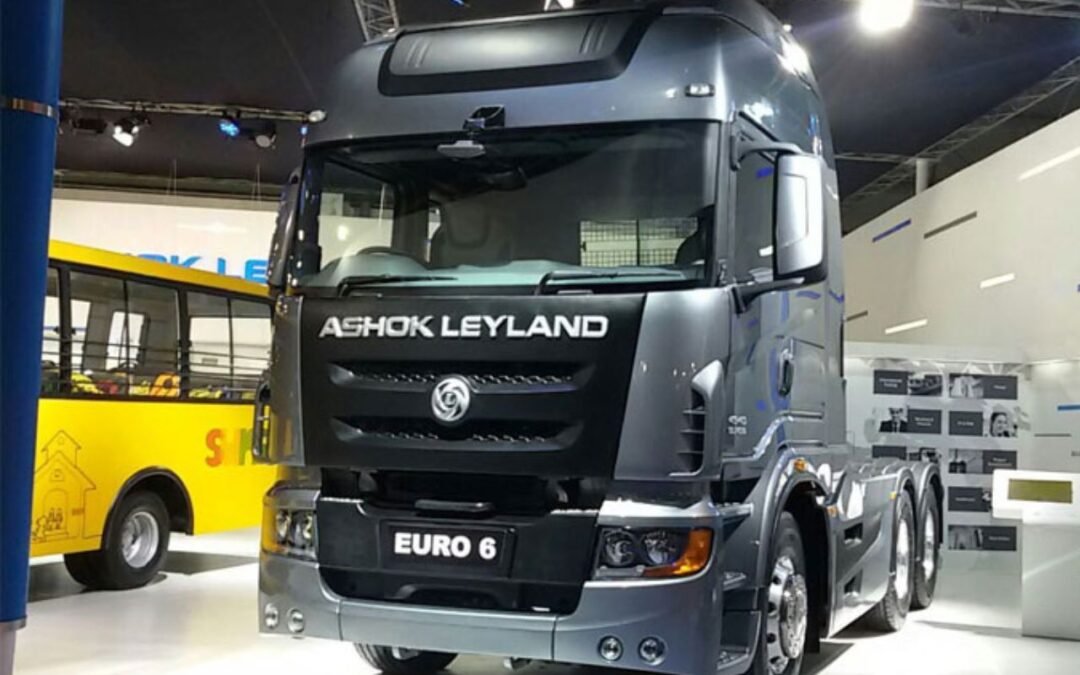
Overview of Ashok Leyland
Ashok Leyland, the flagship of the Hinduja Group, has been a pillar of India’s commercial vehicle sector since 1948. Today, it ranks as India’s second-largest commercial vehicle manufacturer, the fourth-largest bus maker globally, and the 13th-largest truck maker worldwide. With operations in over 50 countries and nearly 54,000 touchpoints, Ashok Leyland offers trucks ranging from 2 to 55 tonnes GTW and buses from 9 to 80 seats. Its portfolio now includes diesel, CNG, LNG, hydrogen, and electric vehicles, emphasizing sustainability and global competitiveness.
Domestic Leadership as a Launchpad
Ashok Leyland’s path to global prominence begins at home. In H1 FY26, the company held a 31% market share in India’s MHCV segment. Truck sales reached 21,647 units and bus volumes 4,660 units in Q2. Strong domestic performance provides volume stability, pricing power, and a financial base to fund global expansion without overleveraging.
Profitability and Balance Sheet Strength
Financial discipline underpins Ashok Leyland’s global ambitions. In Q2 FY26, revenue reached ₹9,588 crore, up 9.3% YoY, with EBITDA rising 14.2% to ₹1,162 crore and margins improving to 12.1%. The company ended the quarter with a net cash position of ₹1,000 crore, alongside a 34% ROCE and 32.5% ROE, providing flexibility to invest in capacity, technology, and international markets.
Electrification and Battery Localisation
Ashok Leyland’s push into electric mobility is central to its Top 10 ambitions. With a planned investment of ₹5,000 crore over 7–10 years and a partnership with CALB Group for battery technology, the company aims to localize production, reduce costs, and support its EV portfolio, including electric buses and light commercial vehicles under its Switch subsidiary.
Diversified Revenue Reduces Cyclicality
The company’s diverse business mix enhances resilience. Nearly 50% of revenue comes from non-truck segments, including buses (13%), LCVs (12%), spares (10%), and exports (7–8%). This diversification has lowered break-even volumes for MHCVs, ensuring consistent profitability even during downturns.
Export Growth and International Strategy
Exports are a key driver for global positioning. Q2 export growth reached 45%, with H1 FY26 growth at 38%. Ashok Leyland aims for 25,000 units within three years, focusing on GCC, Africa, SAARC, and ASEAN markets. Localized production, supply chains, and R&D in these regions strengthen brand credibility and profitability.
Premium Products and Technology Differentiation
To compete globally, Ashok Leyland is launching high-torque 320 HP and 360 HP heavy-duty trucks and premium 13.5–15 metre buses. These products enhance margins and brand perception, positioning the company against top-tier global competitors.
Subsidiaries Driving Growth
Switch India has delivered nearly 600 electric buses and 600 e-LCVs in H1 FY26, while OHM operates over 1,100 electric buses with 98% fleet availability, expanding to 2,500 within 12 months. These subsidiaries extend Ashok Leyland’s reach into integrated mobility solutions.
Conclusion
Ashok Leyland’s Top 10 ambition is built on solid foundations: strong domestic market leadership, healthy margins, a net cash balance sheet, and a growing footprint in exports, electrification, and premium products. While achieving global Top 10 status will take time, consistent execution, disciplined growth, and strategic investments make this goal increasingly realistic.