
News List
Fresh Bus Partners Exponent Energy for Sleeper EVs

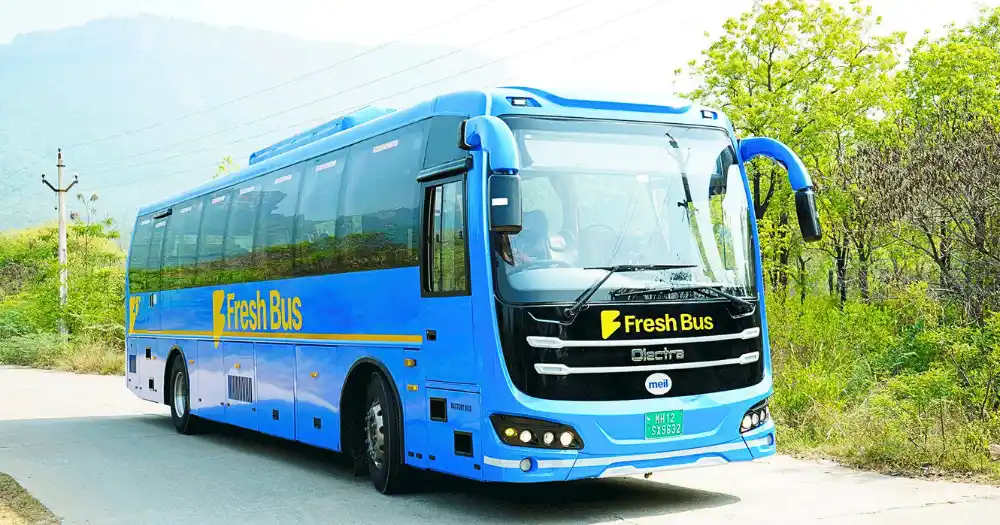
Fresh Bus has entered into a strategic partnership with Bengaluru-based energy technology firm Exponent Energy to deploy sleeper electric buses on intercity routes across India. The announcement was made in Mumbai on January 20, signaling a major step toward scaling long-distance electric bus operations supported by rapid-charging infrastructure.
Under the initial agreement, Fresh Bus plans to deploy up to 250 all-electric intercity sleeper buses powered by Exponent Energy’s high-speed charging platform. The collaboration focuses on addressing long-standing operational challenges faced by electric buses in intercity travel, particularly charging time and range limitations.
Focus on Long-Distance Intercity Operations
Fresh Bus operates an all-electric intercity bus network in India, while Exponent Energy specializes in high-power charging systems designed for commercial electric vehicles. The partnership is structured to support long-distance routes using sleeper-configured electric buses, making overnight and extended journeys more viable with electric mobility.
According to the companies, the buses will be backed by charging infrastructure capable of delivering up to 1.5 MW of power. This setup is intended to enable short-duration charging at highway pitstops, allowing buses to recharge quickly during scheduled breaks rather than relying on long charging halts.
Rapid Charging as an Alternative to Large Batteries
Sudhakar Chirra, Founder and Chief Executive Officer of Fresh Bus, said the partnership represents a systems-level approach to intercity electric mobility. He noted that fast charging offers a more efficient solution than increasing battery size, which can add cost and weight to vehicles. Chirra added that after two years of joint engineering and collaboration with Exponent Energy, the companies are now ready to scale deployment.
Exponent Energy’s Founder and Chief Executive Officer, Arun Vinayak, said the charging technology has been developed in India to meet the demanding requirements of commercial electric buses. He explained that a 15-minute rapid charge every 300 km during highway stops can enable operating patterns similar to diesel buses while retaining the advantages of electric vehicles.
Addressing Range and Downtime Challenges
Intercity electric buses have historically faced limitations due to driving range and longer charging durations. Fresh Bus stated that electric buses on long-distance routes are typically constrained to an effective range of around 350 km per charge, which affects scheduling, turnaround time, and fleet utilization.
The rapid-charging model proposed under this partnership aims to overcome these constraints by allowing frequent, short charging sessions along key corridors, rather than relying on overnight or extended depot charging.
Initial Deployment on High-Demand Routes
As part of the first phase, Fresh Bus plans to deploy sleeper electric buses on select intercity routes, starting with the Hyderabad–Bengaluru corridor. The company identified this route as a high-demand sector for overnight and long-distance travel. While no specific launch timeline has been announced, both companies confirmed that infrastructure installation and operational planning are underway.
Exponent Energy said its charging platform is designed to integrate seamlessly with commercial electric vehicle fleets and support high-frequency operations. Charging infrastructure for the project will be installed along identified intercity corridors to support continuous operations.
Expansion Plans to Be Announced
The partnership covers vehicle deployment, charging infrastructure support, and operational integration. Fresh Bus did not disclose the total investment involved or procurement details for the electric buses. Both companies said further announcements on route expansion and timelines will be shared as deployment progresses, positioning the collaboration as a key development in India’s intercity electric mobility space.