
News List
India Mandates Low-Floor Buses for All City Transport from October 2026

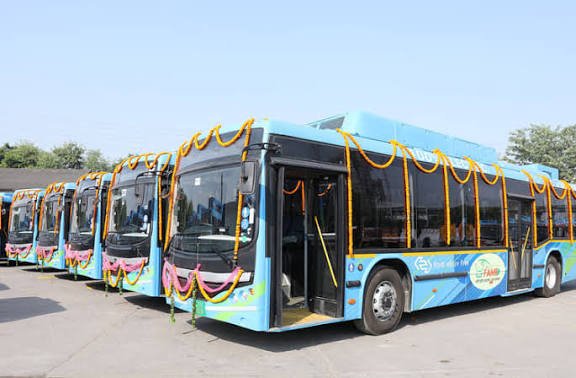
In a major push to make urban public transport safer and more accessible, India will require all city buses manufactured from October 2026 to adopt a low-floor design with a minimum floor height of 400 mm. The move is aimed at improving commuter comfort and inclusivity, particularly for elderly passengers, women, children, and persons with disabilities.
Nationwide Low-Floor Bus Mandate
According to The Times of India, the low-floor design will be mandatory for all intra-city buses across the country. The regulation addresses long-standing issues faced by commuters, such as high steps, narrow walkways, limited handholds, and tight seating arrangements common in high-floor buses.
Implementation of AIS-216 Standard
The draft notification specifies that:
- New bus models manufactured on or after April 1, 2026, and
- Existing models produced after October 1, 2026
must comply with the Automotive Industry Standard (AIS-216). The standard applies to all buses measuring 9 metres and above, ensuring a maximum floor height of 400 mm for easier boarding and deboarding.
Prepared Infrastructure and Manufacturing
Government officials noted that manufacturers are already producing low-floor buses, and the infrastructure ecosystem, including production and maintenance facilities, is ready to support the transition. Despite this readiness, many Indian cities continue to use high-floor or semi-low-floor buses due to lower upfront costs.
Enhanced Safety and Accessibility
The AIS-216 standard sets uniform design and testing norms for bus bodies, addressing both safety and performance requirements. Enforcing these standards is expected to improve commuter safety, streamline urban transport operations, and create a more inclusive environment for passengers across India.
This move marks a significant step towards modernising urban public transport, making it more commuter-friendly, accessible, and reliable in the coming years.