
News List
Construction Machinery in India: Price, Maintenance, Tips

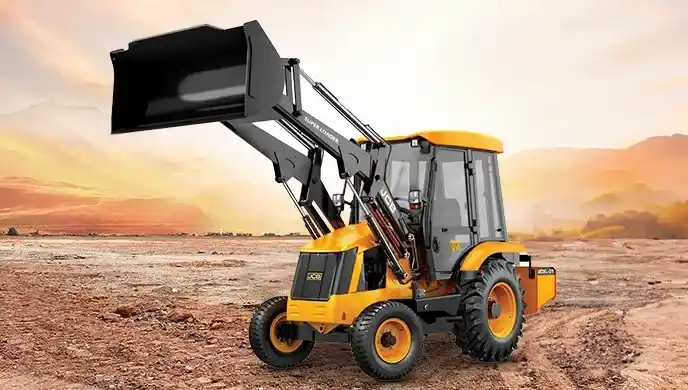
India’s infrastructure boom — spanning roads, bridges, housing, and industrial projects — has heightened demand for robust construction machinery. Backhoes, excavators, loaders, cranes, and compactors are no longer optional; they are essential assets for completing projects efficiently and on time. The right equipment helps reduce labour costs, improve safety, and boost productivity across job sites.
Key Types of Construction Equipment
Understanding the main machine categories helps in selecting the right solution for specific tasks:
Excavators: Powerful hydraulic machines used for digging foundations, trenches, and demolition. Price range: approximately ₹20 lakh to ₹1.5 crore depending on size and features.
Backhoe Loaders: Versatile units that combine a front loader and rear excavator, suitable for digging, lifting, and material movement. Models like the JCB 3DX and 2DX are popular, with prices typically around ₹17–₹30 lakh.
Loaders & Bulldozers: Loaders handle heavy lifting and material transport; bulldozers push large quantities of soil. Loaders may cost ₹8–₹25 lakh, while bulldozers range from ₹15–₹50 lakh or more.
Cranes: Designed for lifting and placing heavy materials at height, mobile and tower cranes can cost anywhere from ₹30 lakh to over ₹2 crore.
Concrete Mixers & Compactors: Mixers ensure quality concrete on site, while compactors stabilize soil and asphalt. Prices vary widely based on capacity.
Typical Price Ranges in India
Construction equipment prices in India vary significantly due to brand, power, capacity, and technology:
- Mini Excavators & Compact Machines: ₹10–₹30 lakh for smaller units suited to residential sites and light work.
- Mid–Size Machines: Backhoe loaders and skid steer loaders often fall in the ₹15–₹45 lakh bracket.
- Heavy Duty Equipment: Larger excavators, bulldozers, and cranes can exceed ₹50 lakh to over ₹1 crore depending on specification and brand.
Prices are influenced by GST, dealer margins, exchange rates for imported parts, and demand fluctuations. These factors can shift retail pricing year–to–year.
Maintenance Tips for Longer Equipment Life
Proper maintenance is key to maximizing uptime and minimizing long–term costs:
1. Regular Inspections: Daily checks on hydraulic lines, fuel systems, tires or tracks, and electrical wiring helps catch issues early before they become expensive repairs.
2. Scheduled Servicing: Follow manufacturer–recommended service intervals for oil changes, filter replacements, and component lubrication. Keeping a maintenance log ensures nothing is overlooked.
3. Use Genuine Spare Parts: OEM parts can be more expensive upfront but typically offer longer life and better performance than cheaper alternatives.
4. Prevent Idle Time Waste: Idling can burn fuel without productivity. Turning off machines when idle saves fuel and reduces wear.
5. Operator Training: Skilled operators reduce the risk of misuse and excessive wear. Regular training on machine controls and ground safety standards improves efficiency and safety.
Tips for Buying Construction Machinery
Whether purchasing new or used equipment, strategic planning can save money and improve ROI:
Buy vs. Rent: Renting or leasing heavy machinery can be a cost–effective option for short–duration projects or when needs vary by season.
Used Equipment Benefits: Used machines are usually 30–60% cheaper than new ones and often come with a service history, making them a valuable option for startups and small contractors.
Financing Options: Many banks and NBFCs offer loans tailored for construction equipment with structured repayment plans, reducing upfront capital strain.
Conclusion: Smart Choices for Project Success
A well–selected mix of construction machinery — based on project size, terrain, and task complexity — can streamline operations while controlling costs. Prioritize routine maintenance, operator training, and long–term budgeting to ensure equipment delivers peak performance throughout its lifecycle. Whether you’re executing a city project or building highways, understanding these factors is key to construction success in India’s competitive landscape.