
News List
Why Urea Is Essential for BS6 Diesel Vehicles in India

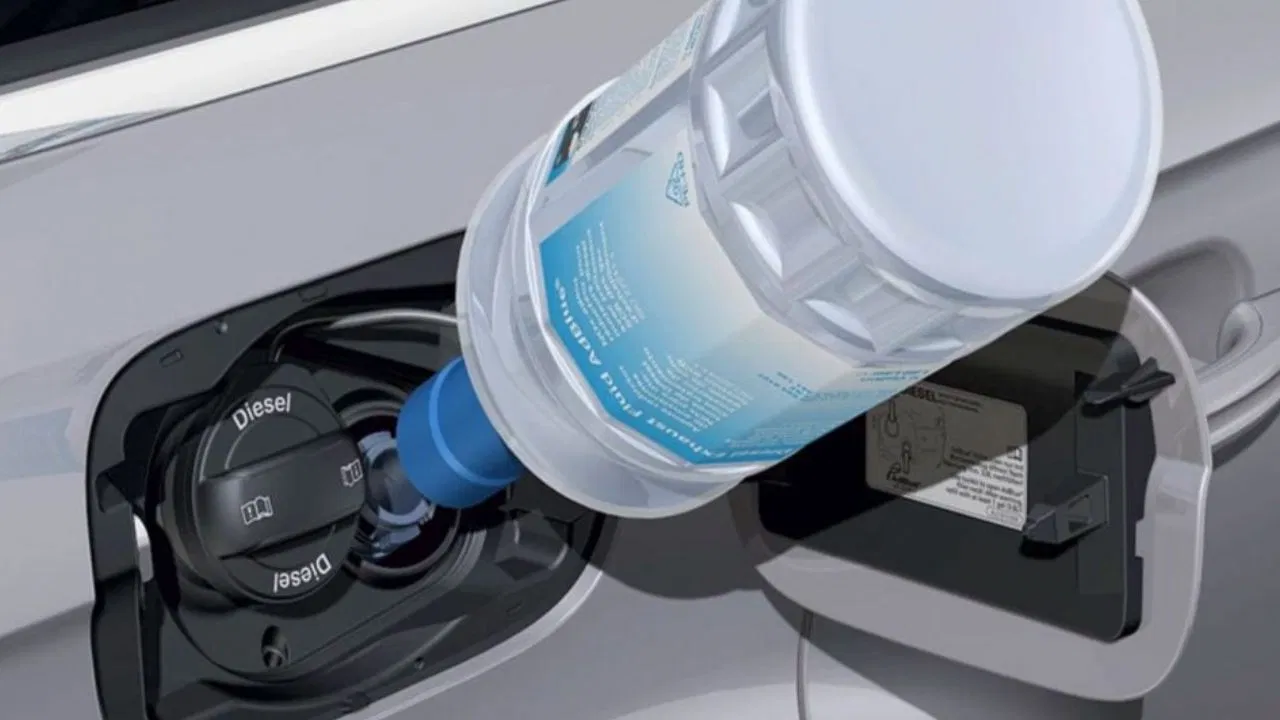
Since the implementation of Bharat Stage 6 (BS6) emission norms in India from April 2020, diesel engines have undergone a major transformation. The aim of BS6 is to drastically cut harmful pollutants like nitrogen oxides (NOx) and particulate matter (PM) from vehicle exhausts — a major contributor to air pollution in Indian cities. Urea — supplied as Diesel Exhaust Fluid (DEF), also known as AdBlue — has become a key component of this cleaner diesel strategy.
What Is Urea/AdBlue (DEF)?
Urea in diesel vehicles is not the agricultural fertilizer form — instead, it’s supplied as Diesel Exhaust Fluid (DEF) or AdBlue: a non‑flammable, colourless solution made of roughly 32.5% high‑purity urea and 67.5% deionised water. This specific mixture is defined by international standard ISO 22241 and is essential for Selective Catalytic Reduction (SCR) systems to work effectively.
Why Is Urea Necessary in BS6 Diesel Vehicles?
1. To Meet Strict NOx Emission Limits
Diesel fuel combustion naturally produces nitrogen oxides (NOx) — harmful gases that contribute to smog, respiratory problems, and environmental damage. BS6 norms require up to 90% reduction in NOx emissions compared with previous standards. To achieve this, modern diesel engines use Selective Catalytic Reduction (SCR) systems that rely on urea/DEF.
How Urea Works in the SCR System
The SCR system works as follows:
- Injection: DEF is sprayed into the hot exhaust stream via a dedicated DEF tank and injector.
- Conversion: At high exhaust temperatures, urea breaks down into ammonia.
- Chemical Reaction: The ammonia reacts with NOx over the SCR catalyst, converting harmful nitrogen oxides into harmless nitrogen (N₂) and water vapour (H₂O) — both present naturally in the air.
This reaction drastically lowers NOx emissions, helping vehicles comply with BS6 emission limits.
Vehicle Design and SCR Integration
Because of this system, BS6 diesel vehicles have two separate tanks: one for diesel and one for DEF/urea. The second tank is usually marked with a blue cap and may show a DEF level gauge on the dashboard. Some modern vehicles even give warnings when DEF is low, reminding owners to refill soon.
While SCR and DEF are most common on commercial vehicles (trucks and buses), some passenger cars with larger diesel engines also use this technology.
What Happens If Urea Runs Out?
Running out of urea/DEF in a BS6 diesel vehicle isn’t just bad for emission compliance — it can affect performance and even engine operation:
- Warning Alerts: The vehicle will display “low DEF” or system warnings well before running dry.
- Reduced Power: As DEF levels fall, many vehicles automatically reduce engine power (“limp mode”) to control emissions until DEF is refilled.
- Non‑Compliance & Damage: Operating without DEF can lead to serious SCR system damage and potentially regulatory penalties, as the engine can no longer meet BS6 emission standards.
Urea Consumption and Refill Intervals
Urea consumption depends on vehicle type, driving conditions, and engine size. For passenger diesel vehicles, a DEF tank may need refilling every 8,000–10,000 km, while larger trucks may require more frequent top‑ups. Costs vary with market prices, but DEF typically costs in the range of ₹100–₹130 per litre (varies by location and supplier).
Benefits Beyond Compliance
While urea/DEF primarily helps meet emission regulations, it also contributes to broader benefits:
- Cleaner Air: Dramatically reduces NOx emissions — a major air pollutant in many Indian metros.
- Fuel Efficiency: SCR systems allow diesel engines to be tuned for performance while still controlling emissions, sometimes offering slight improvements in fuel efficiency.
Conclusion
Urea, in the form of DEF/AdBlue, is no longer optional for BS6 diesel vehicles in India — it’s a technical requirement for emissions compliance under the SCR system. Without it, vehicles cannot meet the strict NOx limits of BS6 standards and may suffer performance penalties or legal non‑compliance. Ensuring timely refills of high‑quality, ISO‑certified DEF protects your vehicle, reduces harmful emissions and supports cleaner air across Indian cities.