
News List
How to Get Heavy Machinery Operator License India

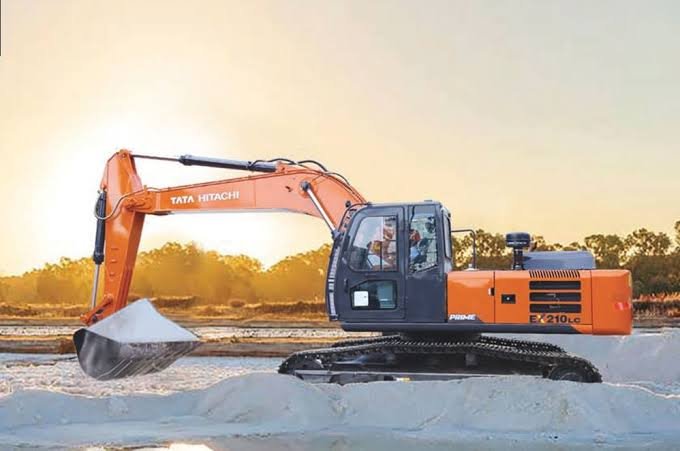
Construction Equipment License: Key to a Skilled Career
Operating heavy machinery is a critical skill in India’s construction, mining, and infrastructure industries. To ensure safety, efficiency, and professional competence, operators must obtain a licensed certification to handle equipment such as excavators, bulldozers, cranes, and dump trucks. A heavy machinery operator license not only minimizes workplace risks but also enhances job prospects across various sectors.
Types of Construction Equipment Requiring a License
In India, specialized licenses are typically required for:
- Excavators
- Bulldozers
- Cranes (tower and mobile cranes)
- Backhoe Loaders
- Graders
- Road Rollers
- Forklifts
- Pavers
- Dump Trucks
Eligibility Criteria for Heavy Machinery Operators
Applicants must meet certain requirements before applying for a license:
- Minimum Age: 18 years or older
- Educational Qualification: At least a 10th pass
- Physical Fitness: Good vision, coordination, and reflexes
- Work Experience: Some institutes may require apprenticeships or prior experience
Programs like Tata Hitachi’s Skill Development Initiative train unemployed youth, non-certified operators, and dealer staff to prepare for licensing.
Step 1: Enroll in a Recognized Training Institute
Formal training is mandatory. Reputable training centers include:
- National Academy of Construction (NAC)
- Industrial Training Institutes (ITIs)
- Infrastructure Equipment Skill Council (IESC)
- Central Institute of Road Transport (CIRT)
- Private institutes such as L&T Construction Skills Training
Training covers both theory and practical skills:
- Equipment handling techniques
- Safety protocols and maintenance
- Troubleshooting basic mechanical issues
- Load calculations and operational efficiency
Step 2: Obtain a Learner’s License
Some equipment categories, like cranes and dump trucks, require a learner’s license before full certification. Applicants must pass a written test on traffic rules and safety norms through their local Regional Transport Office (RTO).
Step 3: Complete Practical Training and Assessment
Hands-on experience under supervision is crucial. Candidates are assessed for their ability to:
- Operate equipment safely and efficiently
- Follow standard industry procedures
- Troubleshoot mechanical issues
Successful completion results in a certificate of competency.
Step 4: Apply for a Heavy Machinery Operator License
After training, candidates can apply for a license at the RTO or relevant certification body by:
- Submitting documents (ID proof, training certificate, medical certificate)
- Undergoing a practical test (for road-related vehicles)
- Paying applicable fees
Cost and Validity
License costs vary depending on training, application, and medical fees. Licenses are generally valid for 3–5 years, after which renewal may require a refresher course and medical re-evaluation.
Career Opportunities for Licensed Operators
Certified operators can work in:
- Construction: roads, bridges, and real estate development
- Mining: coal, iron ore, and mineral excavation
- Logistics: industrial forklift operations
- Government infrastructure projects: railways, metro, and public works
Conclusion
Obtaining a heavy machinery operator license in India involves structured training, assessment, and certification. With infrastructure projects growing nationwide, licensed operators are in high demand, making certification a valuable investment in safety, skill, and career growth.