
News List
Technology Driving India’s Rapid EV Charging Infrastructure Growth

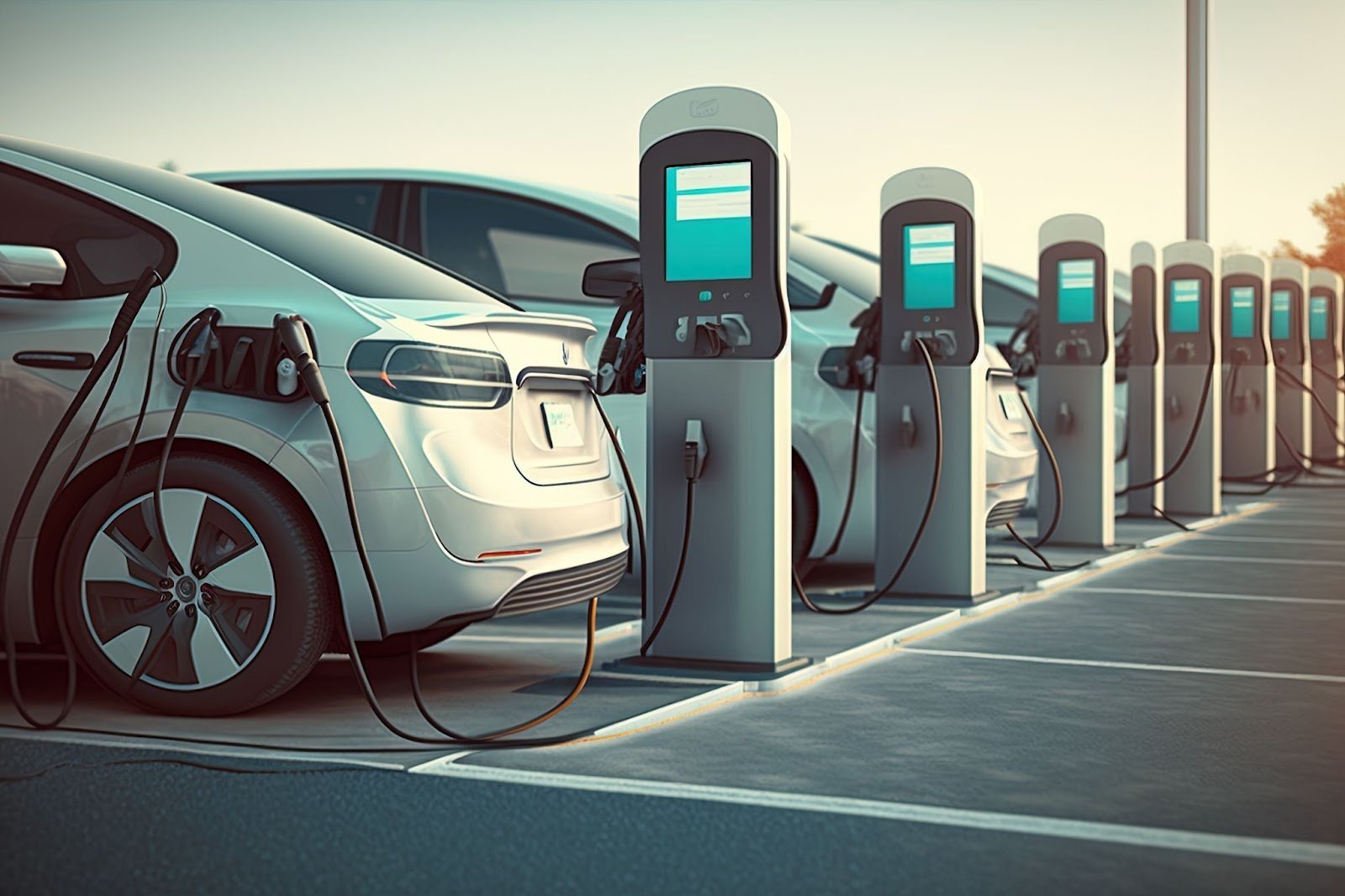
India’s electric vehicle (EV) transition is gaining unprecedented momentum, powered by rapid technological advancements that are reshaping the country’s charging infrastructure and user experience. From smart charging stations and AI-backed grid management to mobile-first platforms and fast battery swapping, technology is emerging as the backbone of India’s green mobility push.
India’s public EV charging network has expanded sharply over the past three years, growing from just 1,800 charging stations in February 2022 to more than 29,000 by mid-2025. This surge mirrors the country’s rising EV adoption, with fiscal year 2025 alone recording sales of 1.96 million electric vehicles, marking a 17 per cent year-on-year increase. Supporting this growth is the government’s PM E-DRIVE scheme, which has earmarked ₹10,900 crore (approximately USD 1.3 billion) through March 2026 to install thousands of new public fast chargers, including 48,400 units dedicated to two- and three-wheelers.
At the core of this expansion are smart charging technologies that enhance efficiency, reliability and user convenience. Modern charging stations are now equipped with Internet of Things (IoT) sensors that continuously monitor power flow, charger health and user activity. This real-time data allows operators to track station availability, energy usage and pricing, while enabling remote diagnostics and proactive maintenance.
Artificial intelligence is playing an equally critical role. AI-driven backend systems forecast charging demand, optimise load management and help prevent grid overload during peak hours. These platforms also support predictive maintenance, personalised user services and dynamic pricing models based on usage patterns.
Grid integration has further strengthened the ecosystem. Many charging stations now synchronise with local grids and renewable energy sources such as solar power. Through dynamic load balancing, multiple vehicles can charge simultaneously without triggering power surges or outages, supporting both grid stability and sustainability goals.
User-centric mobile applications have become central to the EV experience. These apps enable real-time station discovery, reservations, remote charging controls and seamless digital payments. Advanced dashboards consolidate vehicle and charging data, allowing users to track kilometres travelled, monitor remaining range, view live charging status and access real-time location tracking for improved security and travel insights.
Alongside charging infrastructure, battery swapping has emerged as a distinctive solution tailored to India’s mobility needs. As of April 2025, over 2,600 battery swapping kiosks are operational, largely concentrated in metro cities such as Delhi. The Indian EV battery market is projected to grow from USD 16.77 billion in 2023 to USD 27.70 billion by 2028.
Battery swapping allows users to replace depleted batteries with fully charged ones in under two minutes, significantly reducing downtime. By separating battery ownership from vehicles, it lowers upfront costs and enables flexible energy-as-a-service subscription models. This is particularly beneficial for high-utilisation commercial fleets, including delivery vehicles and e-rickshaws, where uptime is critical. Advanced telematics monitor battery health, temperature and performance in real time, enabling predictive maintenance and enhanced safety.
Despite the progress, challenges remain around grid integration, charger uptime, standardisation and extending access beyond urban centres. However, continued technological innovation, public-private collaboration and user-focused digital solutions are positioning India’s EV charging ecosystem for sustained growth, reinforcing its transition towards cleaner and more sustainable transportation.