
News List
India’s LNG Trucks and Fuel Market Slows

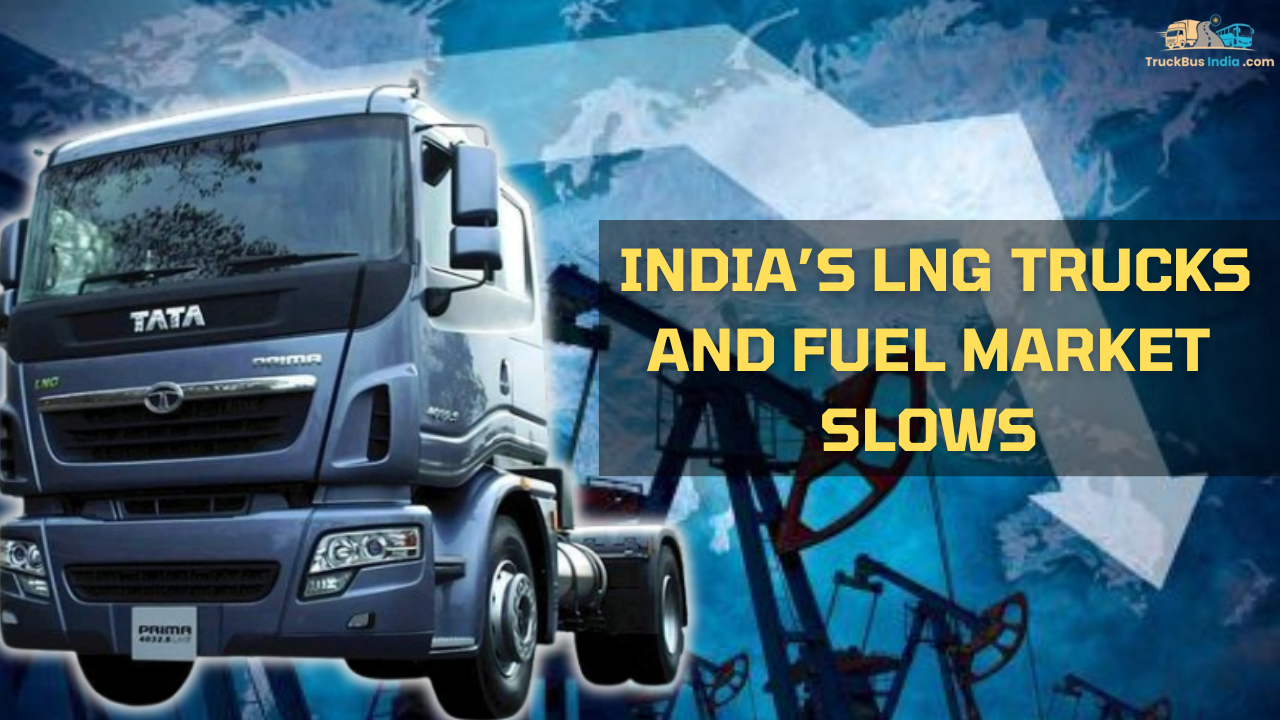
India’s liquefied natural gas (LNG) transport sector struggled to gain momentum in 2025, with both LNG-powered trucks and fuel retail underperforming, highlighting challenges in adoption despite the fuel’s long-term environmental potential.
LNG truck numbers rose 75% to 1,309 units in 2025, up from 747 in 2024. While this growth appears significant, it fell well short of the threefold increase expected at the start of the year, according to industry sources and Vahan estimates. In comparison, China sold over 178,000 heavy-duty gas trucks in 2024, with LNG vehicles making up roughly 30% of the country’s heavy-duty truck market.
Industry insiders point to the absence of government incentives for LNG adoption in India as a key factor for slower growth. Transporters are hesitant to invest in LNG trucks due to high upfront capital costs, concerns about funding, and price volatility in the LNG market. “Even producing 1,000 trucks in 2026 is a big proposition. That’s three trucks a day,” a senior industry official said.
The slow adoption of LNG trucks has directly impacted fuel retail. India currently operates 39 LNG retail outlets, including 11 by Indian Oil and eight by Essar-promoted Ultra Gas & Energy (UGEL). Some outlets have temporarily shut due to insufficient customer demand, prompting state-run refiners to pause new outlet expansions until existing stations improve throughput. Viability requires each outlet to serve 20–30 trucks, with 10–15 fillings daily, a manager of an LNG retail outlet noted.
Private sector players, however, are taking a proactive approach. UGEL has committed ₹900 crore to build 100 LNG retail outlets using a corridor-first strategy focused on high-density freight routes like the Golden Quadrilateral, Delhi-Mumbai Industrial Corridor, and NH44/48. UGEL also employs a circular model, integrating truck manufacturing, logistics, and refueling, ensuring route planning and assured off-take. Essar, similarly, has invested in Blue Energy Motors and Greenline Logistics, combining vehicle production and operation with fuel supply.
Industry experts emphasise that LNG and electric trucks serve complementary purposes. “Electric trucks are for the short haul while LNG is for the long haul. They complement each other,” said UGEL CEO Maqsood Shaikh.
Looking ahead, private players plan significant expansion. UGEL aims to operate 25 outlets by March 2026, increasing capacity to refuel 15,000 LNG trucks compared to the current 4,800. By targeting underserved regions such as Odisha, Jharkhand, Bihar, Chhattisgarh, and Andhra Pradesh, companies hope to overcome infrastructure gaps and boost LNG adoption across India’s freight corridors.
While LNG adoption in India remains in the slow lane, private initiatives and integrated strategies may provide the momentum needed to expand both vehicles and fueling infrastructure, aligning with the fuel’s long-term potential to reduce emissions in the transport sector.