
News List
India’s Ethanol Blended Petrol Programme Drives Growth

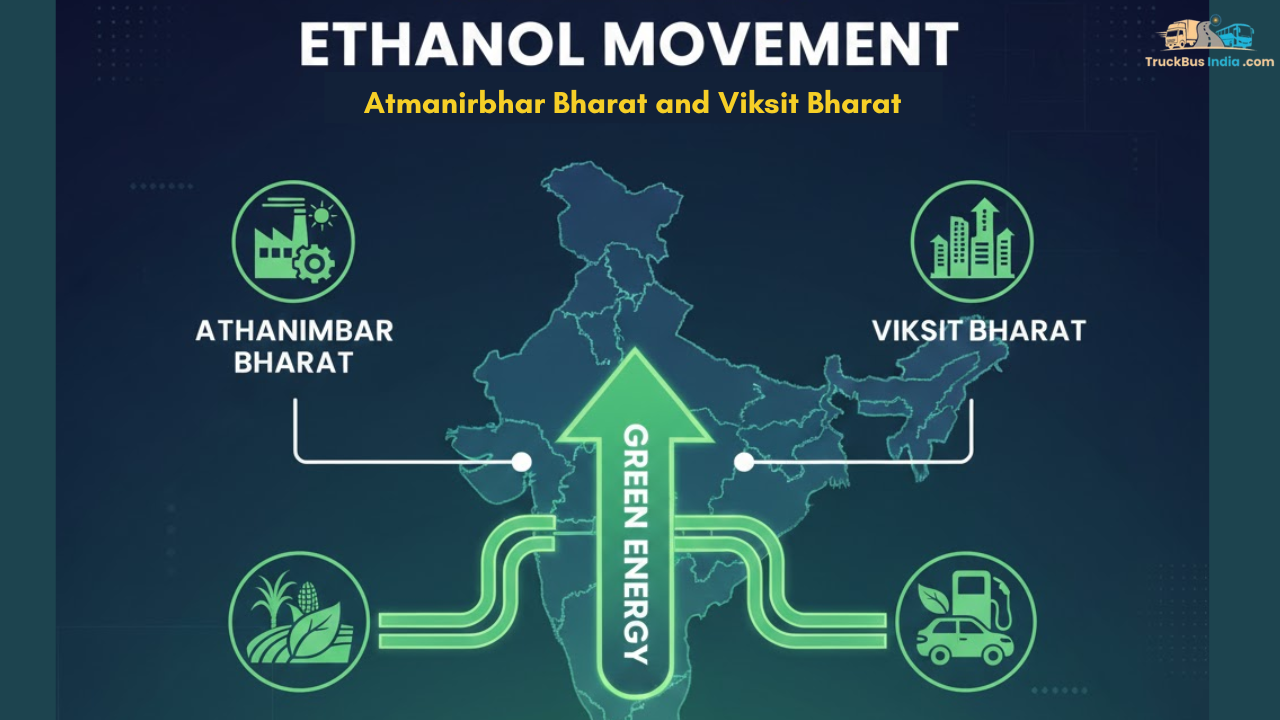
India’s Ethanol Blended Petrol (EBP) Programme has emerged as a transformative national initiative, delivering far-reaching benefits beyond mere fuel blending. Launched under notified government policies and BIS fuel standards, the programme has achieved nearly 20% ethanol blending in ESY 2024–25, positioning India ahead of its E20 target and underscoring its leadership in sustainable energy practices.
The EBP Programme draws on a diverse array of feedstocks, including B-heavy molasses, surplus sugar, damaged grains, excess FCI rice, and industrial maize. Notably, grain-based ethanol now represents over 70% of the total supply, addressing earlier concerns around “food versus fuel” and ensuring regional balance and long-term sustainability. This diversified approach has transformed ethanol production into a strategic resource, enhancing India’s energy self-reliance.
From an economic standpoint, ethanol blending substitutes imported petrol, shielding the country from global crude oil price volatility. During ESY 2024–25, this substitution is estimated to have saved around ₹40,000 crore in foreign exchange, strengthening India’s balance of payments and supporting national energy security.
The programme has also had a significant impact on rural incomes and industrialisation. Over ₹50,000 crore has been channelled directly to farmers through feedstock procurement, while large-scale investments in rural distilleries have created employment, stimulated local economies, and anchored agro-industrial growth. Ethanol thus provides a stable demand base for agricultural surplus, reinforcing farmers’ income security and driving rural development.
Environmental benefits are another key outcome. Ethanol blending reduces carbon emissions and particulate pollution, supporting India’s clean air targets and long-term net-zero goals. Importantly, these benefits have been achieved without directly increasing petrol prices for consumers. Any minor variations in vehicle mileage are offset by macroeconomic stability, environmental gains, and long-term price resilience.
Experts emphasise that India’s ethanol production capacity should be seen as strategic national infrastructure, similar to power generation, fuel storage, or transport networks, rather than overcapacity. The convergence of energy security, rural welfare, environmental protection, and foreign exchange savings makes the EBP Programme one of the most impactful national interventions of recent times.
Looking ahead, policymakers are encouraged to maintain long-term stability for ethanol blending beyond E20, promote flex-fuel vehicles at concessional taxation, develop dedicated dispensing infrastructure with fiscal incentives, provide predictable offtake visibility to producers, and recognise the ethanol ecosystem as a national asset under Atmanirbhar Bharat and Viksit Bharat frameworks. Continued diversification of feedstocks will ensure sustainability and regional equity, securing India’s energy transition for the future.