
News List
India Plans Cheaper Loans to Boost Electric Buses

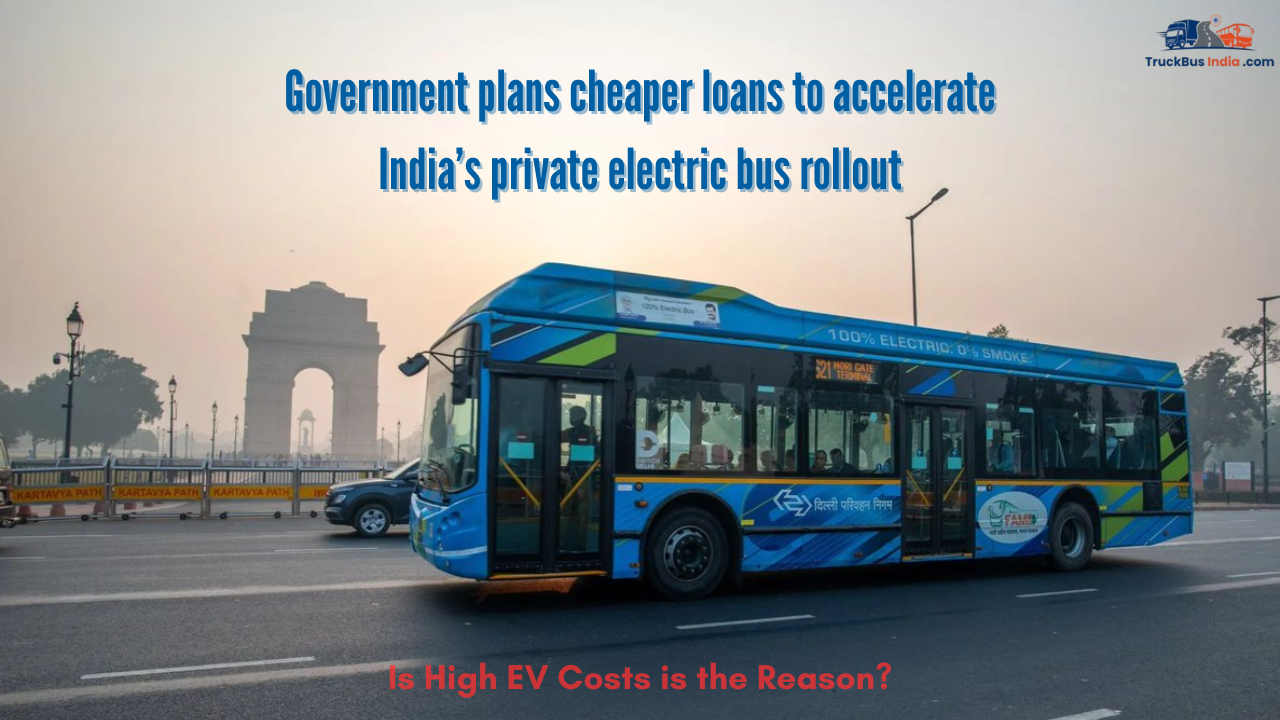
The Indian government is planning to introduce a new financing scheme aimed at accelerating the adoption of private electric buses, addressing high upfront costs and lender caution in the electric vehicle (EV) sector. The initiative will likely channel funds through the Small Industries Development Bank of India (Sidbi) and the National Bank for Agriculture and Rural Development (Nabard), providing more affordable credit to operators.
Private electric bus operators have struggled to secure loans with reasonable terms, as lenders have grown cautious following the collapse of the electric cab company BluSmart in the past year. The government’s proposed scheme seeks to reduce monthly EMIs and extend repayment periods, making electric bus operations financially viable and encouraging fleet expansion.
The move is part of India’s broader strategy to promote clean and sustainable urban mobility. By making financing easier and more predictable, authorities aim to increase the number of electric buses on city roads, reduce emissions from public transport, and support the country’s net-zero goals.
Two government officials familiar with the development indicated that the scheme will focus on private operators, complementing ongoing public sector initiatives in electric mobility. With reduced borrowing costs, smaller and mid-sized operators, in particular, are expected to benefit, improving overall market participation and creating a more competitive landscape for EV adoption.
The scheme also reflects a growing recognition of the challenges in India’s EV ecosystem, where high capital costs, limited access to affordable credit, and operational risks have slowed private sector participation. By leveraging institutions like Sidbi and Nabard, the government hopes to provide a structured and low-risk lending framework, mitigating investor concerns and promoting confidence in long-term operations.
Industry experts suggest that this policy could catalyse private sector engagement in electric bus operations across major Indian cities, bridging gaps in public transport and supporting sustainable urban planning. Operators who adopt electric buses under such financing schemes will not only benefit from lower upfront costs but also gain from potential government incentives and reduced operating expenses over time.
With urban air pollution and climate change concerns rising, the scheme underscores India’s commitment to expanding electric mobility in public transport. If successfully implemented, it could mark a significant step toward scaling private electric bus fleets, complementing ongoing infrastructure development and policy measures in the EV sector.