
News List
Dakar Rally Explained: Significance, Trucks, and Global Motorsport Impact

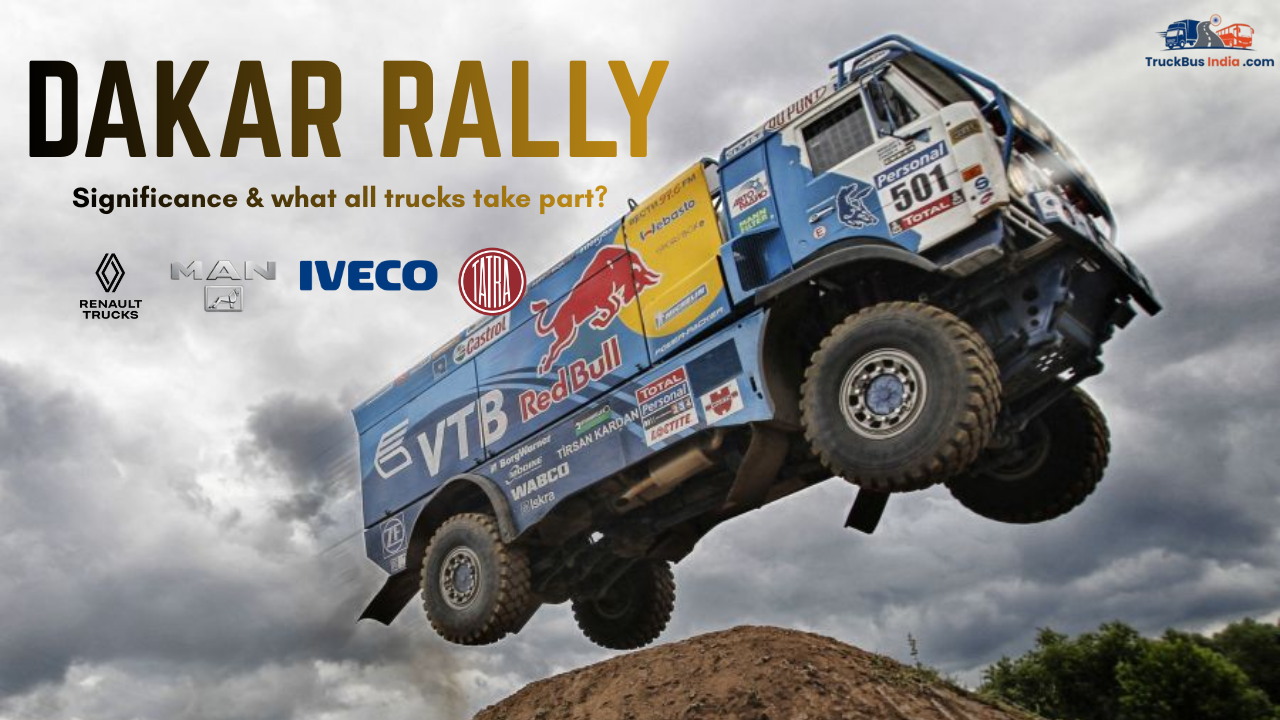
The Dakar Rally stands as one of the world’s most grueling and iconic off-road endurance motorsport events. Originally conceived in 1979 as the Paris–Dakar Rally, this race has evolved over decades into a benchmark for testing human endurance, mechanical reliability, and navigational skill across harsh and unforgiving terrain. Today, the rally unfolds primarily in Saudi Arabia, featuring diverse categories and attracting entries from all over the globe.
Origins and Global Significance
The Dakar Rally began in 1979 as a rally raid from Paris to Dakar, Senegal, traversing deserts and rough landscapes. Its blend of speed, navigation, and endurance quickly captured international attention. The event has historically included three main types of competitors: cars, motorcycles, and trucks.
Over the years, the rally expanded its geographical footprint and difficulty. Modern editions take place entirely within Saudi Arabia, where competitors tackle thousands of kilometres of sand dunes, rocky tracks, and extreme desert conditions over two weeks. The rally has become a flagship event in the FIA (cars/trucks) and FIM (motorcycles) calendars, symbolizing the pinnacle of rally-raid motorsport.
What Makes Dakar So Tough?
What sets Dakar apart is its endurance-based format. Unlike typical closed-circuit races, the rally combines long timed stages with navigation challenges, testing not just speed but reliability, physical stamina, and the ability to make strategic decisions under pressure. Competitors often cover distances of more than 7,000 km across varied and unpredictable terrain.
Success requires precision navigation, mechanical resilience, and a strong support strategy — all while battling fatigue and intense environmental conditions. Only a fraction of starters typically reach the finish line, underscoring the event’s difficulty and prestige.
Truck Participation in Dakar
Trucks have been integral to the Dakar Rally since the 1980s, adding another layer of spectacle to the competition. Official truck competition categories cater to vehicles weighing more than 3,500 kg, and include both Series Production trucks (T4.1) and Modified trucks (T4.2). These machines are purpose-built to handle extreme off-road challenges.
There’s also a class for rally support trucks (T4.3) — these vehicles do not compete for overall rally positions but play a crucial role in transporting equipment and servicing teams between bivouacs.
In the 2026 Dakar Rally, 45 trucks are officially entered in the main competition. These entrants showcase some of the most rugged engineering in motorsport and include iconic contenders from manufacturers like Kamaz, Iveco, MAN, Renault, and others. Kamaz, in particular, has been dominant in recent decades, securing numerous victories in the truck category.
Dakar Rally Vehicle Classes
Today’s Dakar Rally features a rich array of competitive classes:
- Motorcycles (Bikes): Professional and amateur riders tackle the rally on two wheels.
- Cars (T1/T2): High-performance prototypes and stock cross-country vehicles battle across dunes and deserts.
- Lightweight Prototypes (T3): Agile off-road machines designed for tough terrain.
- Side-by-Side Vehicles (SSV – T4): Near-production vehicles optimized for off-road racing.
- Trucks (T5): The heavy-duty class featuring powerful, high-torque vehicles engineered for endurance.
- Classic and Mission 1000: Historic vehicles and alternative energy entries add depth and diversity to the lineup.
Each class offers unique challenges and rewards, pushing competitors and their machines to extremes.
Legacy and Ongoing Appeal
Beyond its sporting drama, the Dakar Rally serves as a global testing ground for automotive innovation, mechanical durability, and driver skill. Its history is rich with legendary performances and engineering breakthroughs, drawing manufacturers and private teams alike. The event’s shifting landscapes and ever-evolving courses ensure that Dakar remains relevant and captivating for competitors and fans worldwide.
In essence, the Dakar Rally is more than a race — it is a celebration of human and mechanical perseverance against nature’s toughest tests.