
News List
Mahindra vs Tata: Mahindra Bolero or Tata Yodha — Which Vehicle Must You Buy?

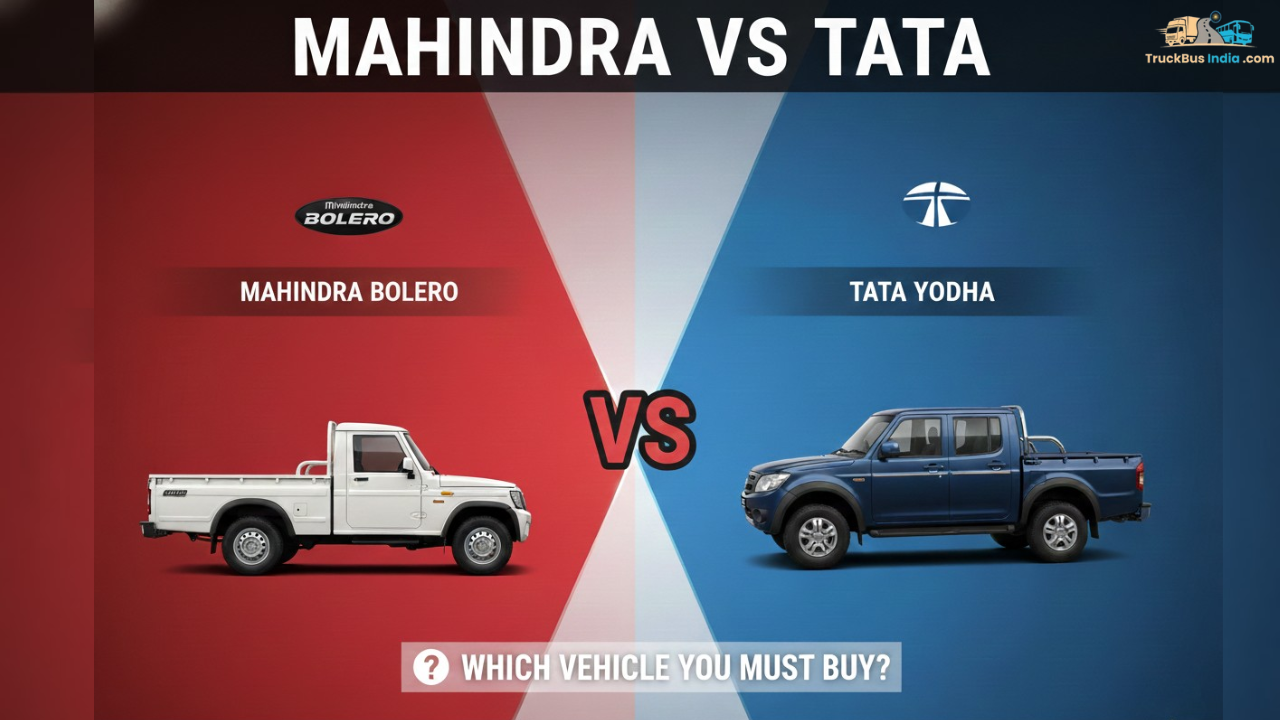
In India’s rugged pickup truck segment, two names dominate conversations among rural buyers and fleet operators: Mahindra Bolero Pickup and Tata Yodha. Both vehicles are designed for tough roads, heavy loads, and long working hours—but they serve slightly different needs.
This Mahindra Bolero vs Tata Yodha comparison breaks down performance, payload, mileage, and use cases to help you decide which pickup truck fits your business best.
Segment Overview: Pickup Trucks in India
Pickup trucks are the backbone of rural logistics, agriculture transport, construction supply, and small fleet operations. Buyers in this segment prioritise durability, payload capacity, low downtime, and service support over premium features.
That’s why the mahindra vs tata debate is especially relevant here—both brands have strong rural presence and proven commercial vehicle line-ups.
Mahindra Bolero Pickup: Strengths and Ideal Use
The Mahindra Bolero Pickup is widely known for its simplicity, reliability, and ease of maintenance. It has been a familiar sight in rural India for years, trusted by farmers, traders, and small fleet owners.
One of its biggest advantages is its strong low-end torque, which makes it suitable for carrying loads on uneven village roads and inclines. The Bolero pickup mileage is also considered competitive for its class, helping owner-operators manage daily fuel expenses.
Its straightforward mechanical setup means easier servicing and lower maintenance costs—an important factor for buyers operating far from major service hubs. However, it is more utilitarian in design and may feel basic compared to newer competitors.
Tata Yodha: Strengths and Ideal Use
The Tata Yodha is positioned as a tougher, higher-capacity alternative in the pickup trucks India segment. It is designed for heavier-duty applications such as construction material transport, infrastructure projects, and demanding fleet operations.
With a higher Tata Yodha payload capacity, it appeals to users who regularly carry heavier or bulkier goods. The Yodha also offers a more robust chassis and better stability under load, making it suitable for longer routes and harsher operating conditions.
Tata Motors’ extensive service network is another key advantage, especially for fleet operators managing multiple vehicles across regions.
Mileage, Payload, and Operating Economics
Mileage and payload often determine the final purchase decision in this segment. While the Bolero pickup mileage works well for lighter and medium loads, Tata Yodha delivers better performance when consistently operating at higher payloads.
Operating economics also depend on downtime, service reach, and resale value. Mahindra’s Bolero benefits from widespread familiarity and easy parts availability, while Tata Yodha attracts buyers looking for higher load efficiency per trip.
Which One Should You Buy?
Your choice between Mahindra Bolero vs Tata Yodha should be based on usage:
- Choose Mahindra Bolero Pickup if your operations are rural-focused, loads are moderate, and low maintenance cost is a priority.
- Choose Tata Yodha if your business involves heavier payloads, longer routes, and fleet-based operations where durability under stress matters.
Both vehicles are proven performers in rural commercial vehicles, but they cater to different operational intensities.
Final Verdict
There is no universal winner in the Mahindra vs Tata pickup debate. The right vehicle depends on your daily load, terrain, and operating model. A test drive, payload assessment, and service availability check in your area can make the decision much clearer.