
News List
Driving Change from the Ground Up: Key Lessons from India’s Electric Trucking Transition

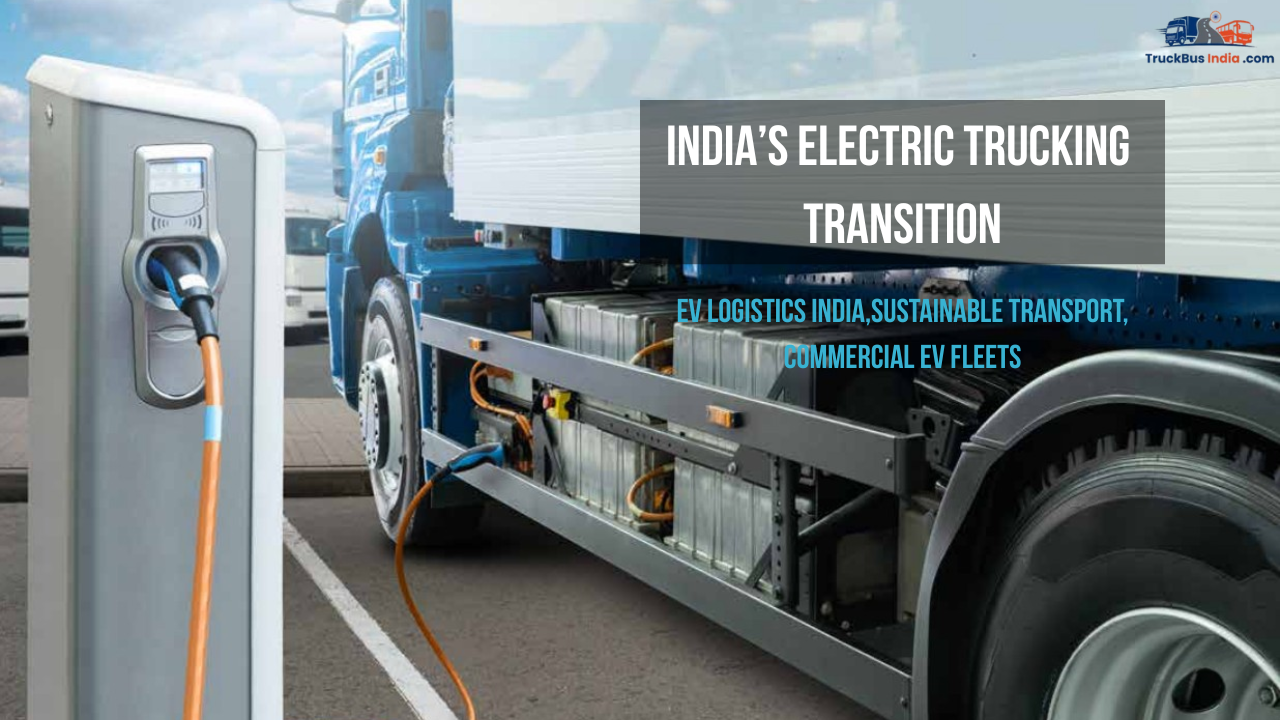
India’s push towards cleaner mobility is no longer limited to passenger vehicles. Electric trucks are steadily entering the logistics ecosystem, marking a critical shift in how freight is moved across cities and industrial corridors. While adoption is still at an early stage, the India electric trucking transition is already offering valuable lessons for policymakers, OEMs, and fleet operators.
From infrastructure gaps to operational redesign, the journey toward electric trucking in India is reshaping long-held assumptions in the commercial vehicle sector.
Why Electric Trucking Matters for India
Freight transport contributes significantly to emissions, fuel consumption, and operating costs in India’s logistics network. Diesel-powered trucks dominate the landscape, especially in urban and mid-mile freight.
The move toward electric trucking in India is driven by multiple factors—rising fuel prices, tightening emission norms, corporate sustainability goals, and the need for quieter, cleaner urban transport. Electric trucks offer lower running costs, reduced emissions, and predictable energy expenses, making them attractive for high-usage freight routes.
However, transitioning from diesel to electric is not a simple vehicle swap—it requires a complete rethink of operations.
Lesson 1: Electric Freight Adoption Works Best on Fixed Routes
One of the clearest lessons from early deployments is that electric freight adoption is most effective on predictable routes. Last-mile delivery, port operations, industrial shuttles, and intra-city logistics have emerged as ideal use cases.
Fixed routes allow fleet operators to plan charging or battery swapping infrastructure efficiently. They also reduce range anxiety, which remains a key concern in electric truck operations. Fleets that tried to replicate diesel-style long-haul usage with EVs have faced higher complexity and lower returns.
Lesson 2: Infrastructure Is as Important as the Vehicle
The success of electric trucking depends heavily on commercial EV infrastructure. Charging stations, grid capacity, and energy management systems play a central role in ensuring uptime.
Many fleet operators have learned that depot-based charging works better than public charging for trucks. Some are also experimenting with battery swapping to minimise downtime. Without reliable infrastructure, even the best electric truck struggles to deliver value.
This has reinforced the idea that EV adoption must be planned as an ecosystem—not just a vehicle purchase.
Lesson 3: Fleet Electrification Demands New Operating Models
Electric trucks behave differently from diesel vehicles. Charging schedules, route planning, driver training, and maintenance cycles all change.
For commercial EV fleets, energy management becomes a core operational function. Fleets must track battery health, charging efficiency, and power costs alongside traditional metrics like payload and turnaround time.
Successful operators have invested in telematics and data-driven decision-making to optimise EV performance. Those who failed to adapt operational processes often faced lower utilisation and higher costs.
Lesson 4: Total Cost of Ownership Matters More Than Sticker Price
One of the biggest misconceptions around electric trucks is cost. While upfront prices remain higher, lower fuel and maintenance expenses can offset this over time.
Fleet operators evaluating electric trucking India have increasingly shifted focus from purchase price to total cost of ownership (TCO). Government incentives, reduced fuel bills, and lower servicing needs have helped improve the business case—especially for high-usage vehicles.
The lesson is clear: EVs reward scale, utilisation, and long-term planning.
Lesson 5: Collaboration Accelerates the Transition
No single stakeholder can drive the electric trucking transition alone. OEMs, energy providers, policymakers, and fleet operators must work together.
Pilot projects, shared infrastructure, and flexible financing models have played a key role in early success stories. This collaborative approach has helped identify gaps, reduce risk, and build confidence across the ecosystem.
The Road Ahead
India’s electric trucking transition is still evolving, but the direction is clear. The focus is shifting from experimentation to execution. As infrastructure improves and technology matures, electric trucks will move from niche deployments to mainstream freight operations.
The key lesson is simple: electrification works best when approached strategically, not reactively. Those who adapt early—on the ground and in operations—will lead the next phase of India’s logistics transformation.