
News List
Telangana Invites Lady Drivers to Take the Wheel of Public Buses

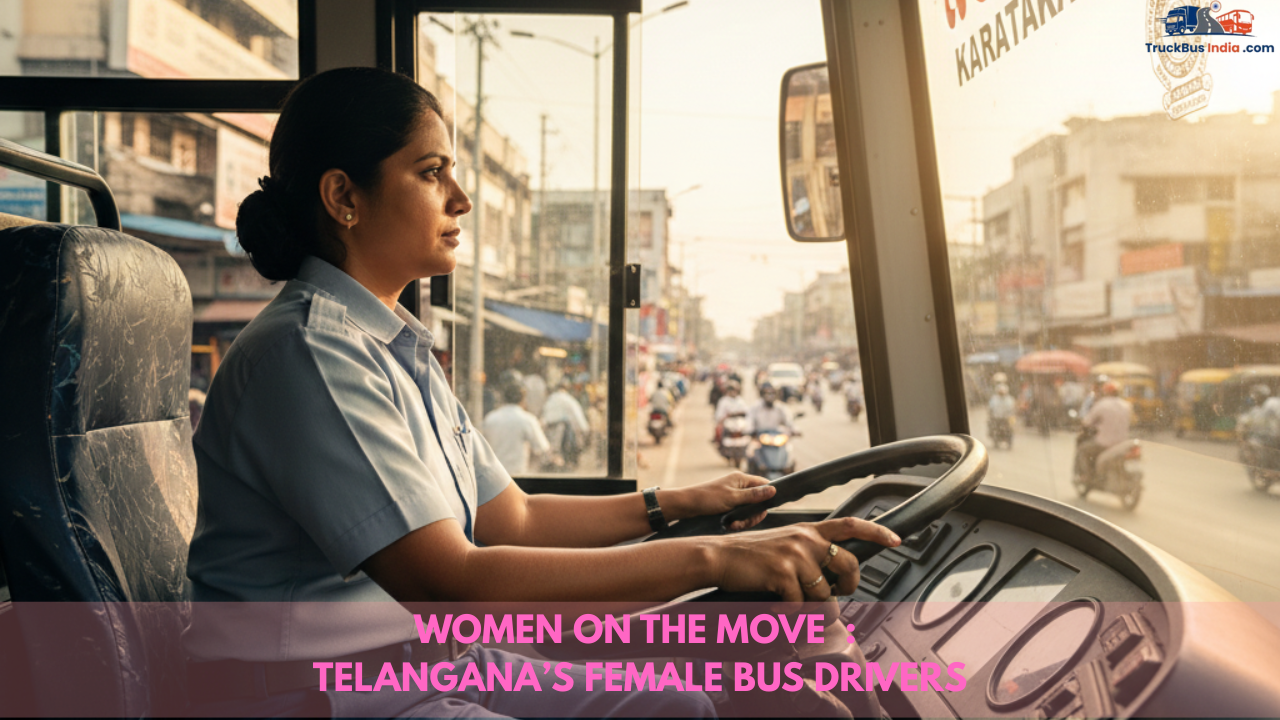
In a landmark move for inclusive mobility and gender equality, the Telangana government has invited women to become drivers of public buses, marking a significant shift in India’s traditionally male-dominated public transport sector. The initiative, led through the Telangana State Road Transport Corporation (TSRTC), aims to create meaningful employment opportunities for women while addressing workforce needs in public bus services across the state.
This step places Telangana among progressive states pushing for women drivers in public transport, reinforcing the idea that mobility systems can be both efficient and socially transformative.
Breaking Gender Barriers in Public Transport
Driving heavy commercial vehicles such as public buses has long been perceived as a male-centric profession in India. By actively encouraging Telangana lady bus drivers, the state is challenging this norm and opening doors for women to participate in frontline transport roles.
The move aligns with broader women empowerment initiatives in India that focus on skill development, financial independence, and representation in non-traditional professions. Public transport, being highly visible and essential, becomes a powerful platform for redefining gender roles in the workforce.
TSRTC Women Drivers Initiative: What It Involves
Under this initiative, eligible women candidates are being invited to apply for bus driver positions within TSRTC. The programme includes:
- Professional driver training on heavy passenger vehicles
- Familiarisation with road safety, passenger handling, and operational protocols
- Integration into existing public bus services in Telangana
By equipping women with certified driving skills and formal employment, the state is not only expanding job access but also building a more diverse transport workforce.
Why This Move Matters for Inclusive Mobility in India
Addressing Workforce Gaps
Public transport agencies across India face driver shortages. Encouraging women participation helps widen the talent pool while improving service reliability.
Promoting Gender Inclusion in Transport
The presence of women drivers in public transport sends a strong message about equality and safety, particularly for female passengers who often rely on buses for daily commuting.
Creating Safer, More Inclusive Systems
Studies and transport policy discussions increasingly link gender diversity with improved service quality, empathy, and passenger trust — especially in urban mobility systems.
This initiative contributes directly to the vision of inclusive mobility in India, where transport systems serve social as well as economic goals.
Public Response and Social Impact
The decision has been widely viewed as a positive social signal. For young women, especially from semi-urban and rural backgrounds, becoming a bus driver represents stable income, dignity of labour, and long-term career security.
At a societal level, seeing women confidently operating public buses helps normalise their presence in spaces traditionally dominated by men — from depots and highways to urban traffic corridors.
Part of a Larger Transport Reform Narrative
Telangana’s move fits into a broader national conversation around public transport reform, sustainability, and workforce inclusivity. As states modernise fleets, introduce electric buses, and improve service coverage, equal attention to human capital becomes essential.
Encouraging women drivers complements infrastructure upgrades by ensuring that public transport growth remains people-centric and equitable.
What This Could Mean for Other States
If successful, the TSRTC women drivers programme could serve as a model for other state transport undertakings. Replication across regions would significantly increase women’s participation in the transport sector, accelerating progress toward gender-balanced employment in mobility services.
Conclusion: Driving Change Beyond Roads
By inviting women to take charge of public buses, Telangana is doing more than filling driver seats — it is driving social change. The initiative strengthens public transport, promotes gender inclusion in transport, and redefines who gets to lead from behind the wheel.
As India reimagines its mobility future, such people-first reforms will play a crucial role in building transport systems that are not only efficient, but also inclusive and empowering.