
News List
Construction equipment rental gains momentum amid capex-heavy infra projects

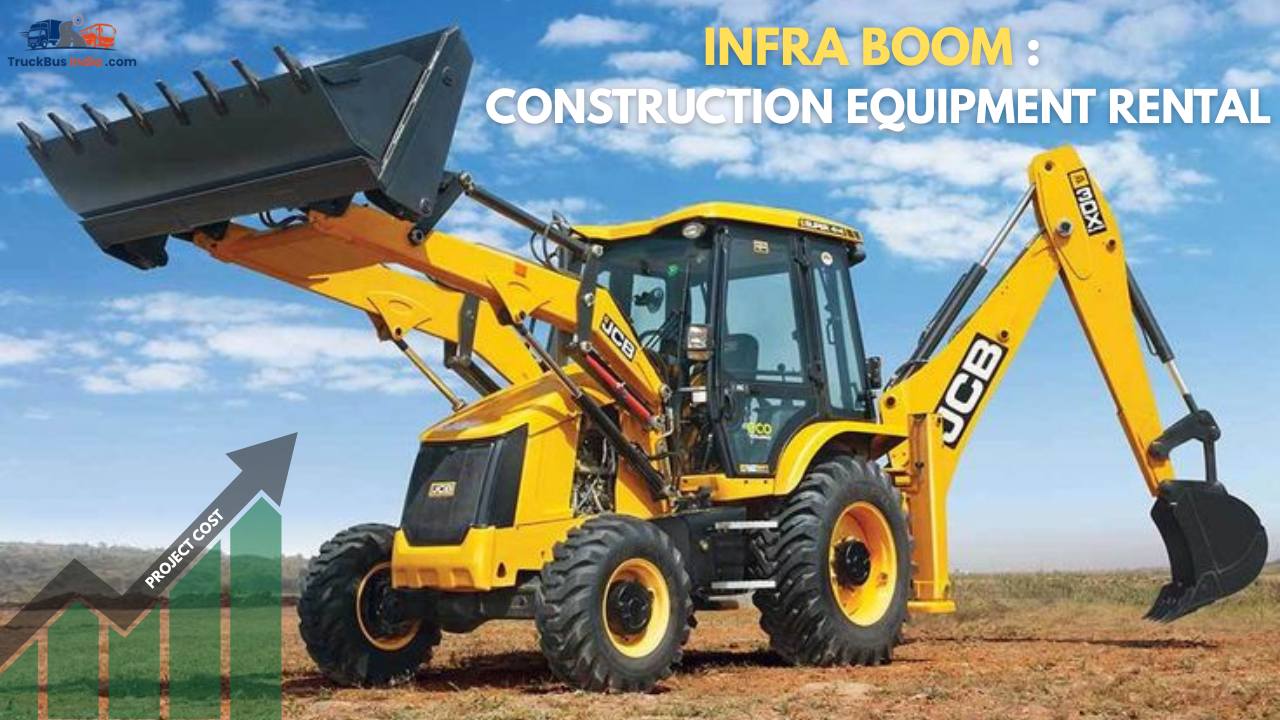
India’s infrastructure pipeline has expanded significantly in recent years, driven by investments in roads, railways, urban development, ports, and renewable energy. While this surge has created strong demand for machinery, it has also made capital expenditure a critical concern for contractors. As a result, construction equipment rental is emerging as a preferred option across large and mid-sized projects.
Rather than locking capital into asset ownership, developers and contractors are increasingly opting for flexible access to equipment aligned with project timelines. This shift is changing the structure of the equipment leasing market in India.
Why ownership is losing appeal
Heavy construction machinery such as excavators, loaders, cranes, and compactors requires substantial upfront investment. In addition to purchase costs, owners must account for maintenance, storage, insurance, and depreciation. For projects with limited durations or fluctuating requirements, ownership often leads to underutilised assets.
Rental models address these challenges by offering access to earthmoving equipment rental on a need basis. Contractors can scale equipment usage up or down depending on project phases, improving cash flow and financial planning.
Asset-light construction gains traction
The move toward asset-light construction is being reinforced by tighter margins and competitive bidding. Contractors bidding for public and private infrastructure projects are under pressure to optimise costs without compromising execution speed.
By renting equipment, companies convert fixed costs into variable expenses, aligning machinery usage directly with project progress. This approach supports better project cost optimisation, particularly in multi-location or sequential projects where equipment needs vary across sites.
Rental firms expand fleets and services
The growing demand for construction equipment rental has encouraged rental providers to expand both fleet size and service offerings. Many firms now provide end-to-end solutions that include equipment delivery, on-site maintenance, trained operators, and replacement support in case of breakdowns.
Technology is also playing a role. Digital platforms allow contractors to track availability, book equipment, and monitor usage remotely. These developments are improving transparency and reliability in the equipment leasing market, making rentals a more attractive alternative to ownership.
Infra projects drive consistent demand
Large-scale infra projects in India such as highway expansion, metro rail construction, and industrial corridors require diverse machinery across different stages. Renting enables contractors to deploy specialised equipment for short periods without long-term financial commitments.
Government-backed projects, in particular, are accelerating this trend. Payment cycles, compliance requirements, and execution deadlines make flexibility critical, further strengthening the case for rental-based procurement.
Challenges in the rental ecosystem
Despite strong momentum, the sector faces challenges. Equipment availability during peak construction seasons, standardisation of rental contracts, and varying quality of machines remain concerns for contractors. Smaller rental operators may also struggle with fleet modernisation and financing.
However, consolidation and formalisation within the construction sector are gradually addressing these issues. As demand stabilises, rental providers are investing in newer machines and better service standards to stay competitive.
Outlook for construction equipment rental
Construction equipment rental is set to play an increasingly important role as India’s infrastructure build-out continues. Rising project complexity, capex-heavy execution requirements, and the push for faster delivery are all favouring flexible equipment access over outright ownership.
As construction sector trends point toward efficiency and capital discipline, rental models are likely to become embedded in how projects are planned and executed. For contractors, the focus is shifting from owning assets to optimising outcomes — and equipment rental fits squarely into that strategy.