
News List
ATLS‑Based Preparedness for Bus Accidents: How Even Non‑Medical Professionals Can Save Lives

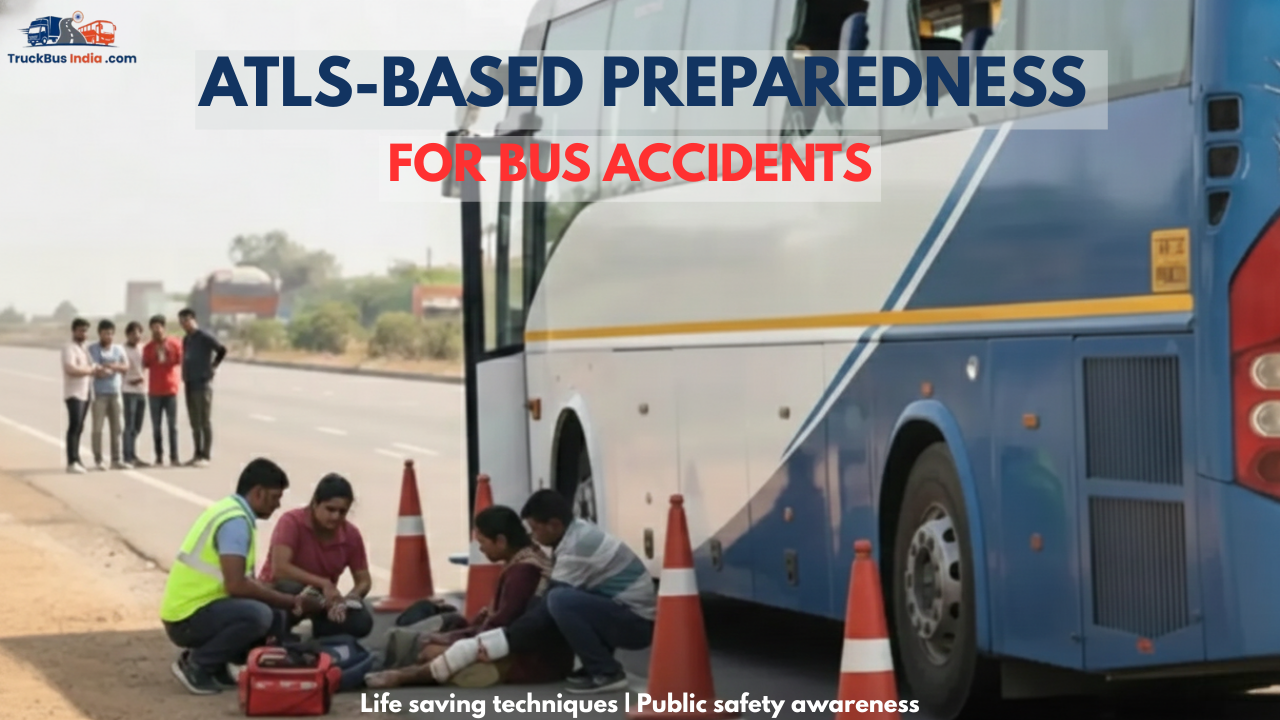
Every year, road accidents — including those involving buses — account for thousands of injuries and deaths globally. In India, improving emergency response is crucial: many victims die not just from their injuries, but from delays in receiving proper care. While Advanced Trauma Life Support (ATLS) is a specialised medical training for clinicians, key principles from ATLS can also guide bus accident response and empower non‑medical professionals to act effectively during the critical first minutes after a crash. Understanding ATLS basics and how to apply them in real‑world emergencies can significantly improve outcomes for injured passengers and motorists.
What Is Advance Trauma Life Support (ATLS)?
ATLS is an internationally recognised training programme developed by the American College of Surgeons to standardise the initial assessment and management of trauma patients. It provides a systematic approach to identifying and treating life‑threatening injuries using proven protocols such as the ABCDE primary survey (Airway, Breathing, Circulation, Disability, Exposure) — a method designed to prioritise the most critical threats first and stabilise patients rapidly.
While ATLS is primarily taught to physicians and emergency clinicians, its core principles — rapid assessment, prioritising life‑saving care, and organized action — are valuable in any mass casualty or road accident setting.
Why Trauma Care Matters in Bus Accidents
Bus accidents often involve multiple victims with varying degrees of injuries — from minor bruises to life‑threatening trauma. In such situations, the first few minutes, sometimes called the “golden hour”, are crucial for survival. Prompt assessment and early intervention can significantly reduce fatalities and long‑term disability.
Non‑medical first responders — such as bus crew, drivers, police, highway patrol officers, fire fighters, and even informed bystanders — who understand structured trauma response can make lifesaving decisions before professional medical teams arrive.
Core ATLS Concepts for First Response
1. Establish Scene Safety
Before rushing to assist, ensure the scene is safe for both the victim and the responder. Turn off vehicle ignition, move away from traffic if possible, and use hazard signals. This protects both rescuers and injured victims from further harm.
2. Rapid Primary Assessment (ABCDE)
The ATLS approach begins with a quick but systematic evaluation of the injured:
- Airway with Cervical Spine Protection:
Check if the person can talk or breathe. If the airway is blocked — for example by blood, vomit, or tongue obstruction — basic manoeuvres such as a chin‑lift or jaw thrust can help open it. - Breathing:
Ensure the victim is breathing. Look for chest movement, listen for breath sounds, and if trained, assist with rescue breaths or monitor breathing patterns. - Circulation:
Check for signs of bleeding. Apply direct pressure to major bleeding sites promptly to control hemorrhage — uncontrolled bleeding is a leading cause of preventable death after major trauma. - Disability (Neurological Status):
Quickly assess mental status and level of consciousness. Simple tools like the AVPU scale (Alert, responds to Voice, responds to Pain, Unresponsive) help identify serious brain injury. - Exposure:
Examine the victim for other hidden injuries while avoiding unnecessary exposure to cold — hypothermia can worsen trauma outcomes.
This systematic approach ensures that the most critical threats to life are identified and treated in the right order, rather than reacting haphazardly to obvious injuries and potentially missing deeper dangers.
3. Communication and Coordination
First responders should quickly call emergency services and provide structured information: number of injured, suspected injuries, and the victim’s current status. Clear communication with professional medical teams allows them to prepare before arriving on scene.
Practical Life‑Saving Techniques for Non‑Medical Responders
Beyond assessment, some basic techniques can make a vital difference:
- Hemorrhage Control: Use clean cloths or bandages to apply firm pressure to significant wounds.
- Basic Airway Assistance: Position the head and neck to help keep airways open if the victim is conscious and breathing.
- Prevent Movement of Suspected Spinal Injuries: Encourage minimal movement if a spinal injury is likely until trained help arrives.
- Use of First Aid Kits: Equip buses and public transport with basic trauma kits that contain gloves, bandages, and trauma dressings.
These steps, while simple, align with ATLS principles and can prevent secondary complications.
Training for Preparedness
While ATLS certification is advanced and medically specific, shorter trauma care workshops and first‑aid training for police, highway patrols, and public transport staff can bridge the gap between accident occurrence and emergency care arrival. For example, courses and hands‑on programs in India are increasingly focusing on structured trauma response training for healthcare workers and responders.
Conclusion: Empowering First Response Saves Lives
In the chaotic aftermath of a bus accident, structured action makes the difference between life and death. ATLS provides a globally recognised framework for trauma assessment and management — and while full certification is tailored to medical professionals, its core principles can and should be incorporated into first response strategies. With basic training in emergency trauma care, especially in road accident first response, non‑medical individuals can provide critical early intervention, improve survival rates, and bridge the time until professional care arrives.