
News List
Ziel Launches EV-First Intercity Bus Platform in South India

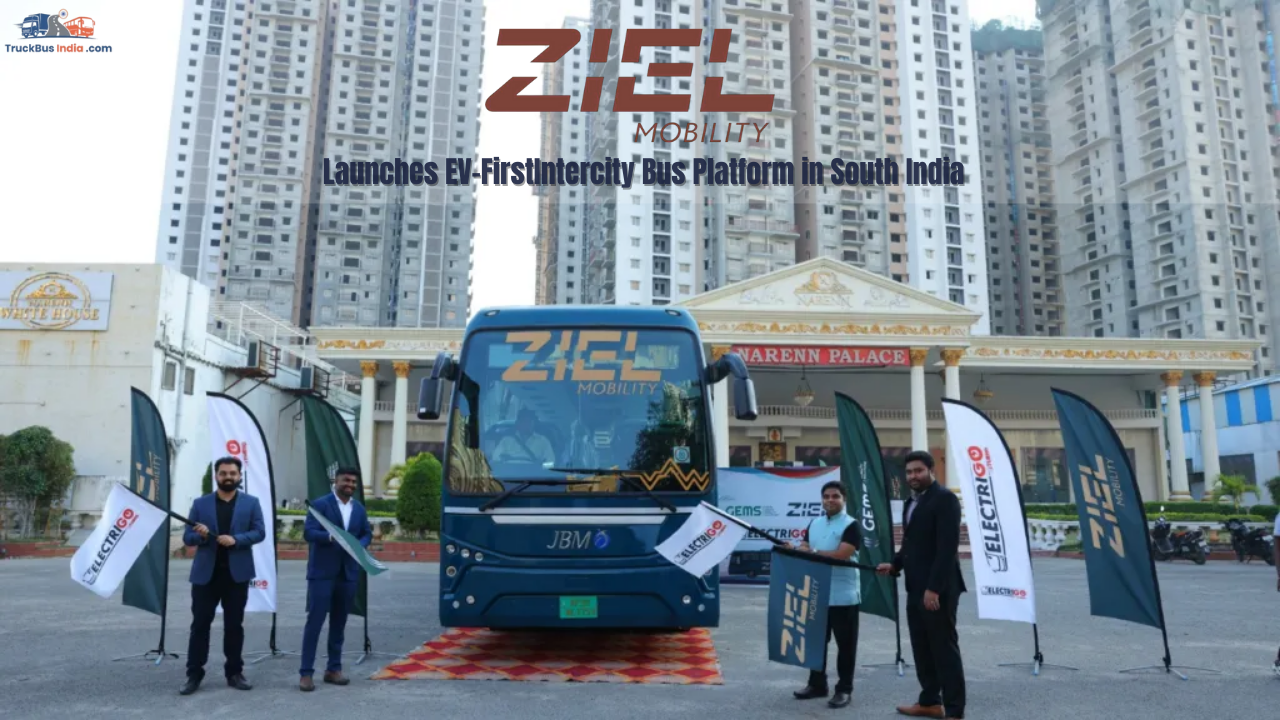
Ziel has launched an EV-first intercity bus platform in South India, marking a notable shift in how regional bus services are being planned and deployed. By placing electric buses at the core of its operating model, Ziel aims to redefine intercity travel through cleaner, quieter, and more efficient mobility solutions.
The launch comes at a time when electric mobility is expanding beyond city limits into regional and long-distance transport networks.
An EV-Centric Approach to Intercity Transport
Unlike conventional operators that add electric buses as a pilot or secondary option, Ziel’s platform is built around electric intercity transport from the outset. This EV-first strategy focuses on integrating vehicle selection, route planning, charging infrastructure, and operations into a unified system.
Such an approach allows Ziel to optimize fleet usage and service schedules while maintaining consistency in passenger experience across routes.
Ziel EV Buses Designed for Regional Travel
The platform features Ziel EV buses specifically configured for intercity operations. These buses are expected to offer extended range, improved passenger comfort, and features suited for longer journeys, such as ergonomic seating and climate-controlled cabins.
By deploying vehicles tailored for regional routes, Ziel aims to overcome common concerns around range anxiety and service reliability in intercity electric bus operations.
Building a South India EV Network
The initial rollout focuses on creating a South India EV network, connecting key cities and high-demand corridors. South India’s relatively shorter intercity distances, strong power infrastructure, and growing EV ecosystem make it an ideal region for early adoption.
The phased network expansion enables Ziel to test routes, refine charging strategies, and scale operations based on passenger demand and operational performance.
Charging Infrastructure and Operational Planning
A critical component of the EV-first platform is charging readiness. Ziel is expected to adopt a mix of depot-based and opportunity charging to support intercity schedules.
Effective charging strategies help:
- Maintain consistent service frequency
- Reduce turnaround time between trips
- Support high vehicle utilisation
Such planning is essential for ensuring the commercial viability of electric intercity transport.
Supporting Sustainable Regional Travel
Ziel’s platform contributes to sustainable regional travel by reducing dependence on diesel-powered buses for medium-distance journeys. Electric buses produce zero tailpipe emissions and significantly lower noise levels, which is particularly beneficial for towns and semi-urban areas along intercity routes.
By offering a cleaner alternative without compromising on comfort or reliability, Ziel aims to attract environmentally conscious travellers and regular commuters alike.
EV Fleet Service Launch and Business Model
The EV fleet service launch reflects a growing trend toward asset-light and technology-driven mobility platforms. Ziel’s model is expected to combine fleet ownership or leasing with digital ticketing, route optimisation, and real-time fleet monitoring.
Such integration improves operational transparency and supports efficient scaling as the network expands.
Zero Emission Mobility Beyond Cities
Intercity transport has traditionally been harder to electrify due to range and infrastructure challenges. Ziel’s EV-first approach demonstrates that zero emission mobility can extend beyond urban boundaries with the right planning and technology.
As battery performance improves and fast-charging infrastructure becomes more widespread, electric intercity buses are likely to become a viable alternative across more routes.
Setting a New Benchmark for EV-Centric Public Transport
Ziel’s initiative sets an early benchmark for EV-centric public transport in the intercity segment. While the platform is still in its early stages, its success could encourage other operators to rethink their transition strategies.
By focusing on intercity connectivity, Ziel is addressing a critical gap in India’s electric mobility landscape.