
News List
Crude oil rally pressures lubricant bulk deals for highway fleets

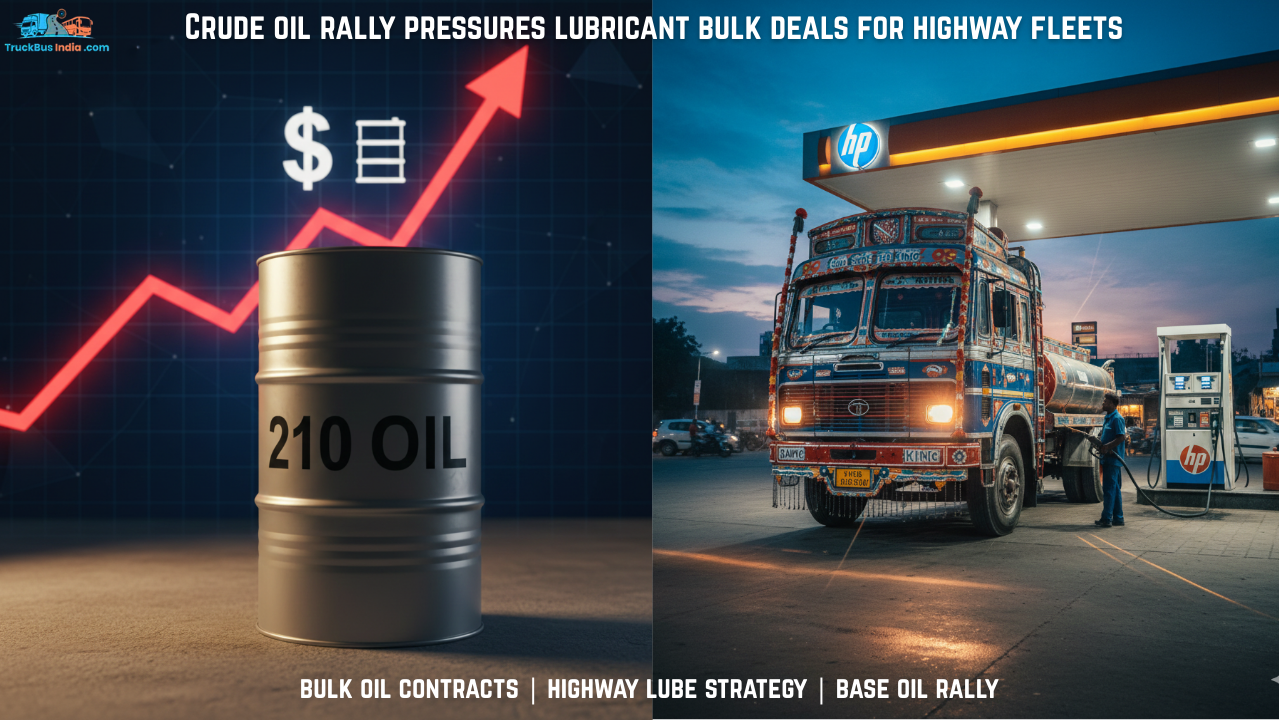
The lubricants sector—especially for commercial vehicles and highway fleets—is tightly linked to global crude oil dynamics. Crude oil serves as the primary feedstock for base oils, which make up about 60–75 % of finished lubricant costs. When crude benchmarks swing sharply due to geopolitical tensions or supply disruptions, base oil prices respond in kind, squeezing margins and triggering cost pressures across the entire lubricant supply chain.
In late 2025, the crude oil market has shown significant volatility. Prices recently slipped below the $60 per barrel mark—a multi‑month low—amid optimism over Russia‑Ukraine peace talks, potential easing of sanctions, and weak demand data from major importers like China. However, bouts of geopolitical risk, such as escalating U.S.–Venezuela tensions, have pushed prices back up modestly above $61 per barrel. This seesawing crude backdrop directly impacts base oil costs and, by extension, commercial lubricant pricing.
Why lubricant costs matter for highway fleets
Lubricants are a core operating cost for highway fleets comprising trucks, heavy commercial vehicles (HCVs), buses, and trailers. Highway fleets typically enter bulk oil contracts with lubricant suppliers to secure stable pricing, ensure uninterrupted supply, and benefit from scale discounts. However, when crude prices rally, base oil feedstock becomes more expensive, and manufacturers are forced to pass increased production costs downstream.
Base oil prices in key regional markets have seen fluctuations in 2025, reflecting shifting crude dynamics. For example, base oil prices reached $1,911 per MT in the U.S. and remained elevated in Middle Eastern hubs like Saudi Arabia, even as some Asian markets experienced softer pricing due to muted industrial activity. These higher feedstock costs put upward pressure on finished lubricant prices, meaning fleet operators face tougher negotiations when securing annual bulk deals.
Bulk procurement under pressure: cost, contracts, and strategy
Traditionally, highway fleets lock in lubricant prices via annual or semi‑annual bulk purchase agreements to hedge against short‑term volatility. But with frequent crude price swings, suppliers become more cautious offering long‑term fixed rates without escalation clauses. Fleets may face tighter contract terms including:
- index‑linked price adjustments tied to crude benchmarks
- tighter credit or inventory release schedules
- reduced discount margins for high‑volume buyers.
Under such conditions, fleet managers must revisit procurement strategies—balancing upfront savings with flexibility to absorb price fluctuations. In extreme scenarios, some operators shift to shorter rolling contracts, accepting slightly higher base rates to maintain supply flexibility.
Impact on fleet economics and maintenance planning
Rising lubricant costs can erode fleet profitability, especially for high‑mileage highway operations where lubricant changes occur frequently. While advanced synthetic and semi‑synthetic lubricants deliver extended drain intervals and better protection, their higher price points are also sensitive to base oil cost movements.
Higher lubricant prices increase per‑vehicle operating costs and may compress margins for logistics firms already grappling with fuel, tyre, and financing costs. Operators might also delay scheduled oil changes to manage spending, although this carries risks of increased wear and engine damage over time—raising total lifecycle costs.
Data‑driven purchasing and hedging strategies
To navigate these pressures, leading fleets are adopting data‑driven procurement and risk‑management approaches:
- Price hedging: locking futures contracts or negotiated base price ceilings linked to crude oil futures.
- Demand forecasting: aligning bulk volumes with usage patterns to avoid overstocking at high prices.
- Supplier diversification: engaging multiple vendors to increase competitive pricing and backup supply options.
These tactics help fleets maintain lubricant supply continuity without being overly exposed to sharp crude price movements.
Looking ahead: volatility remains the watchword
The lubricant market is forecast to remain sensitive to crude oil fundamentals as long as petroleum remains the dominant feedstock. Even as alternative powertrains and synthetic formulations grow in the medium term, internal‑combustion engines—and by extension traditional lubricants—will still dominate India’s highway fleet landscape through 2026.
For fleet managers, the current environment underscores the need for agile bulk procurement strategies that can withstand the dual pressures of geopolitical risk and crude rhythm. In this evolving landscape, crude oil impact lubes and fleet lubricant pricing will continue to influence highway fleet economics, contract frameworks, and service reliability.