
News List
KSRTC Inducts 200 Electric Buses for Kerala Intercity Routes

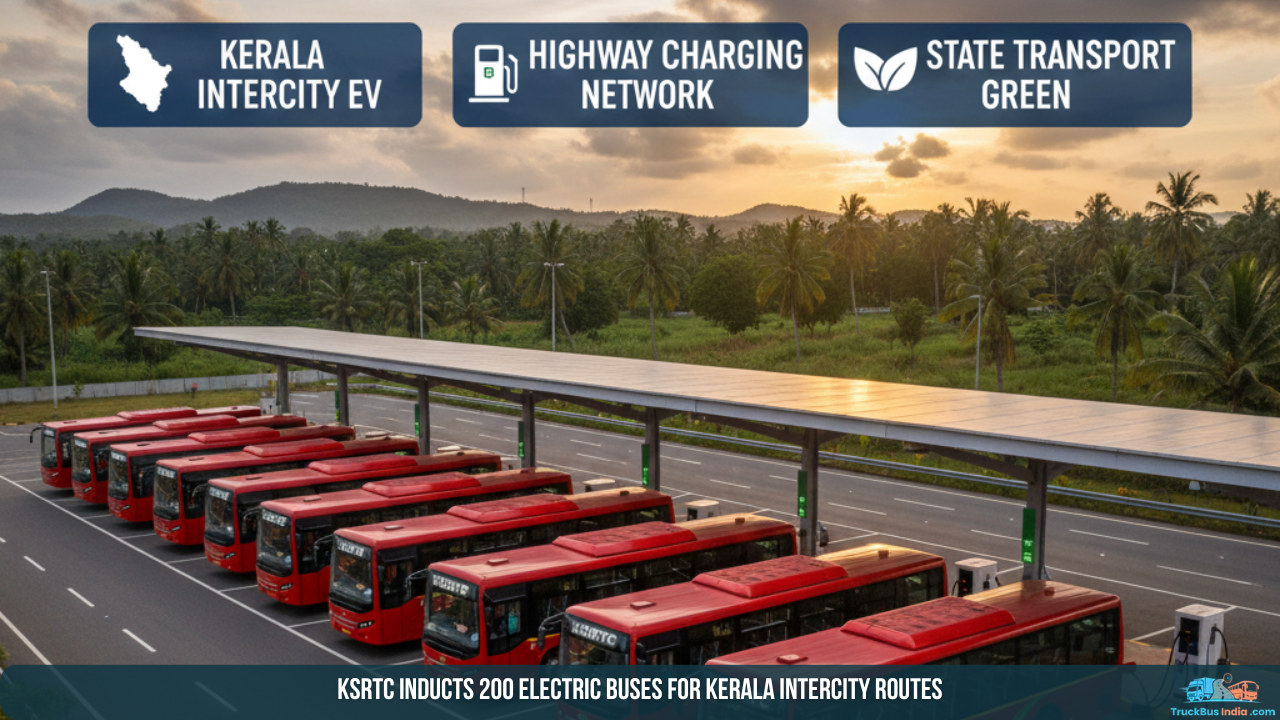
The Kerala State Road Transport Corporation (KSRTC) has taken a significant step toward sustainable public transport by inducting 200 electric buses for intercity routes across the state. This initiative aims to reduce carbon emissions, improve air quality, and modernize Kerala’s highway transport network with zero-emission vehicles.
Green Mobility for Intercity Travel
KSRTC’s electric bus deployment marks a pioneering move in Indian public transport. These buses are specifically designed for long-distance travel between cities, providing commuters with comfortable, efficient, and environmentally friendly options. By replacing conventional diesel-powered buses with electric alternatives, KSRTC is directly contributing to the reduction of greenhouse gas emissions and urban air pollution along heavily trafficked intercity corridors.
Fast Charging Infrastructure
To ensure uninterrupted service, KSRTC has established fast charging depots every 150 kilometers along major routes. These strategically located depots allow electric buses to recharge quickly and maintain operational efficiency comparable to conventional buses. The fast charging network not only reduces downtime but also enhances the reliability and predictability of intercity schedules, ensuring passengers experience minimal disruption.
Benefits for Passengers and Operators
The electric buses offer several advantages over traditional diesel coaches. For passengers, the buses provide a smoother and quieter ride, reducing noise pollution and improving travel comfort. For KSRTC, the transition to electric vehicles helps cut operational costs, particularly fuel expenses, and reduces maintenance requirements associated with internal combustion engines. Additionally, electrification aligns with state and national environmental policies, strengthening Kerala’s commitment to clean energy and sustainable transport solutions.
Supporting Kerala’s Green Vision
Kerala has been actively pursuing sustainability initiatives across sectors, and KSRTC’s electric bus program complements these efforts. By deploying electric buses on intercity routes, the state sets a benchmark for other transport authorities in India to adopt cleaner mobility solutions. The program also encourages private fleet operators and logistics companies to consider electrification for medium- and long-distance travel, further promoting the adoption of electric vehicle technology.
Operational and Environmental Impact
The integration of 200 electric buses into KSRTC’s intercity fleet is expected to save millions of liters of diesel annually, reducing the state’s carbon footprint significantly. The reduction in fuel consumption also lowers the transport sector’s dependence on fossil fuels, contributing to national energy security. With fast charging depots every 150 kilometers, KSRTC ensures that service frequency and reliability remain high, making electric buses a viable alternative for long-distance travel.
Industry and Public Response
The initiative has received widespread appreciation from environmental groups, commuters, and industry stakeholders. Transport experts have lauded KSRTC’s approach as a model for other states to replicate, highlighting the importance of combining vehicle electrification with supportive charging infrastructure. Commuters, meanwhile, are expected to benefit from lower emissions, enhanced ride comfort, and a more modern public transport experience.
Conclusion
KSRTC’s induction of 200 electric buses for intercity routes represents a major milestone in sustainable public transport in India. By providing zero-emission highway coaches supported by fast charging depots every 150 kilometers, Kerala is demonstrating how state transport authorities can effectively transition to green mobility. This initiative not only improves operational efficiency and passenger comfort but also reinforces the state’s environmental commitments, positioning Kerala as a leader in clean, reliable, and sustainable intercity transportation.