
News List
Smart Tyres With Sensors Track Fleet Performance Live

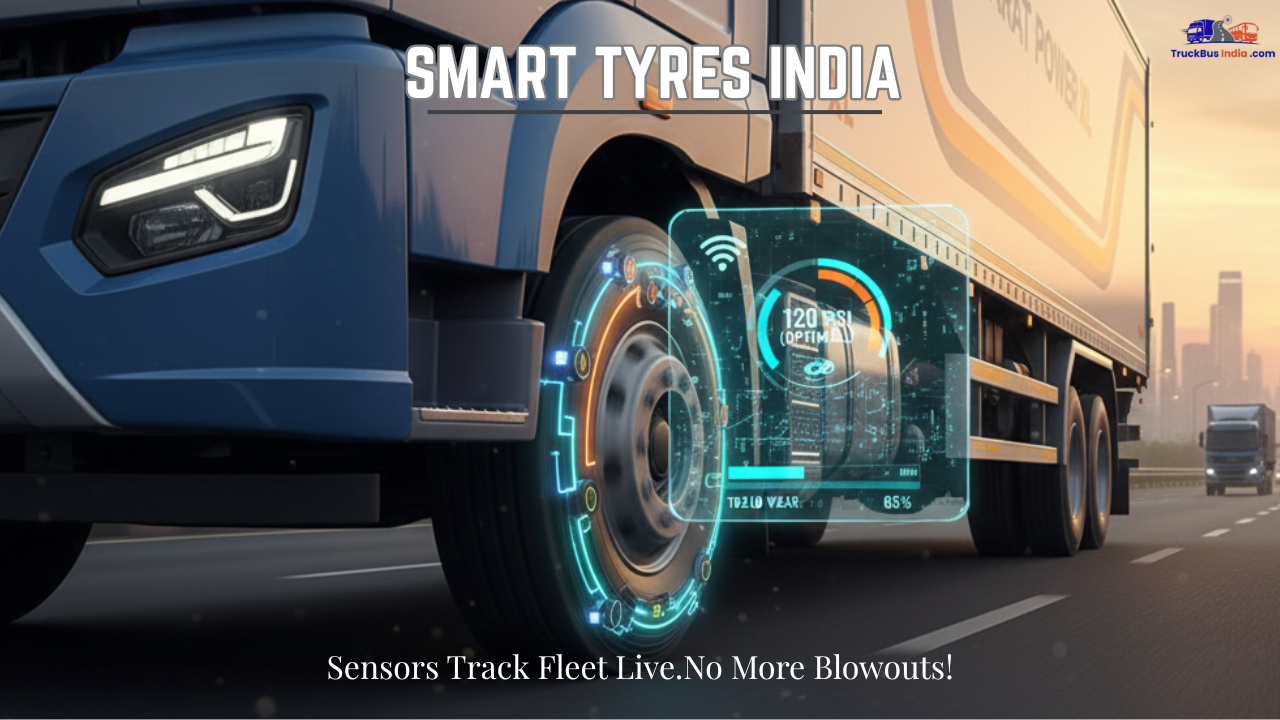
India’s trucking industry is undergoing a rapid digital transformation. As logistics networks expand, highways get busier, and delivery timelines shrink, fleet operators are increasingly turning toward technology-driven solutions to improve uptime and safety. One innovation gaining major traction is the rise of smart tyres India fleets—tyres equipped with IoT-based sensors that track real-time pressure, temperature, and wear.
These connected tyres are helping fleets cut breakdowns, prevent accidents, and achieve longer tyre life—three major cost and safety pain points for both long-haul transporters and construction fleets.
Why Smart Tyres Are Becoming a Must-Have in Modern Trucking
1. Real-Time Monitoring Prevents Highway Blowouts
Traditional tyres often fail without warning, especially on long routes with high axle loads and poor road patches. Overheating, slow leaks, or sudden pressure drops can quickly escalate into a dangerous blowout. With tyre sensors trucks, drivers receive instant alerts on their dashboards or phones whenever there’s unusual pressure or temperature activity.
This early detection gives them enough time to pull over safely and address the issue—dramatically reducing the risks associated with tyre bursts on narrow, chaotic Indian highways.
2. Longer Tyre Life, Lower Replacement Costs
Tyres are among the biggest operating expenses for trucking companies. Poor pressure management alone can reduce tyre life by nearly 30%. Smart sensors continuously track inflation levels and surface wear, prompting fleet managers to maintain optimal pressure across all wheels.
This consistent monitoring delivers measurable benefits:
- Reduced uneven wear
- Lower heat build-up
- Better fuel efficiency
- Extended tread life
For operators running dozens or hundreds of trucks, these savings quickly add up across the year.
3. Fleet Visibility From Anywhere
IoT-connected tyres feed data to a cloud-based dashboard, allowing managers to track the entire fleet’s tyre health remotely. This form of fleet pressure monitoring gives logistics companies real-time insights into which trucks need attention, which tyres are nearing end-of-life, and how driving behavior affects tyre performance.
Fleet operators can:
- Schedule maintenance proactively
- Reduce roadside downtime
- Plan spare stocks more efficiently
- Improve driver accountability
The result is a more predictable operation with fewer unpleasant surprises mid-route.
How Smart Tyres Boost Safety on Rough Indian Roads
India’s highways are diverse—smooth expressways, broken stretches, heat-heavy regions, and steep gradients. These conditions take a heavy toll on commercial vehicle tyres. Sensors act like a 24×7 health tracker, constantly reading tyre vitals and sending analytics back to fleet HQ.
Drivers benefit from:
- Instant warnings during high-speed runs
- Alerts for slow punctures before they escalate
- Better handling due to optimal inflation
- Reduced risk of rollover in overloaded scenarios
For construction trucks carrying irregular loads, this is especially useful since tyre pressure swings are common.
Growing Adoption Across Fleet Segments
Initially seen in premium long-haul fleets, smart tyres are now expanding into:
- Cement and steel carriers
- E-commerce logistics
- Refrigerated transport
- Tipper fleets
- Tankers and bulkers
OEMs and tyre manufacturers in India are also starting to integrate sensors as factory-fitted options, accelerating adoption further.
The Road Ahead: Connected Tyres as Standard Equipment
With rising fuel prices, tightening safety norms, and greater demand for on-time delivery, the future of fleet management is undoubtedly digital. Smart tyre ecosystems are likely to become standard equipment in heavy trucks, mirroring global trends.
For now, fleet owners investing in these IoT-enabled solutions are experiencing fewer breakdowns, better safety, and improved tyre life—turning a simple tyre into a powerful data-driven asset.