
News List
Biofuel Blends Gain Traction as a Diesel Alternative for Tippers

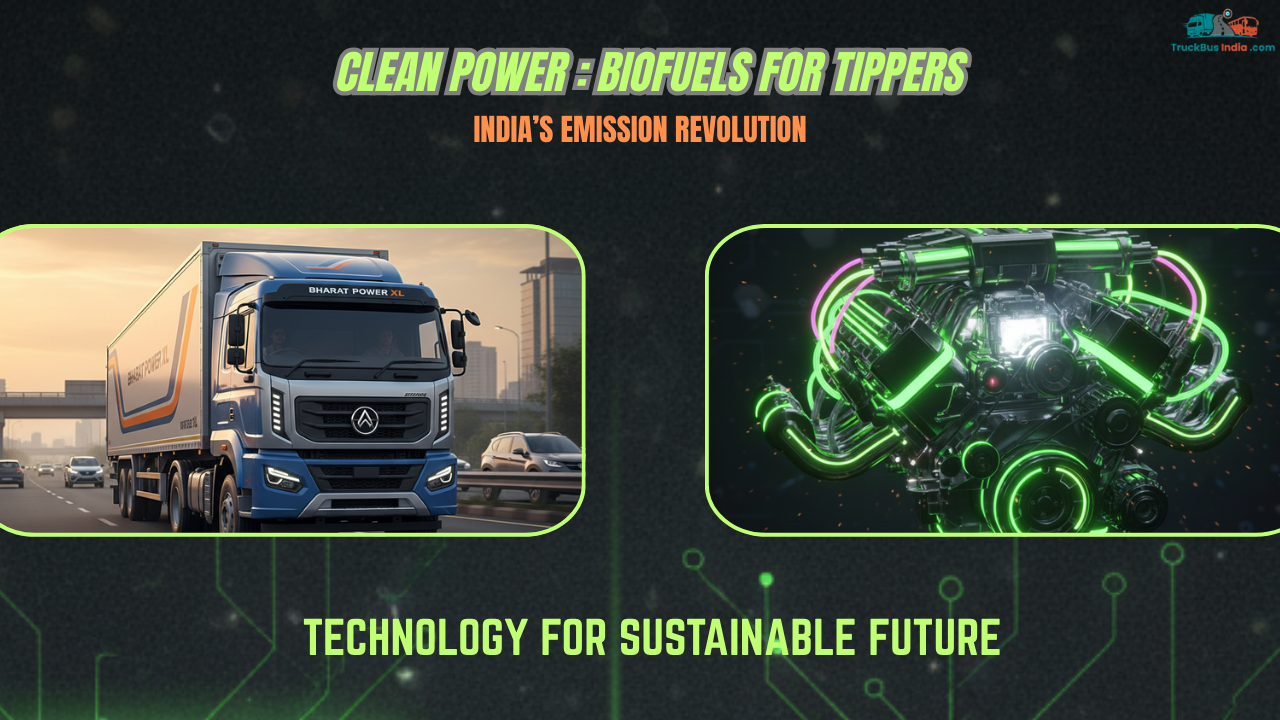
India’s construction and mining sectors rely heavily on tipper trucks—machines that often operate for long, continuous hours and burn substantial amounts of diesel. As fuel expenses rise and environmental compliance tightens, fleet owners are increasingly exploring cleaner, more economical options. One solution gaining steady momentum is blended biofuels, now emerging as a viable tipper diesel alternative across multiple Indian states.
Biofuels, produced from renewable biological sources such as agricultural waste, used cooking oil, or plant-based feedstocks, offer a promising path to reduce carbon footprints without sacrificing power or engine durability. In recent years, government incentives and improved supply chains have helped these fuels move from pilot projects to real-world fleet adoption. Today, biofuel trucks India fleets are reporting encouraging results—lower emissions, smoother combustion, and in many cases, modest operational savings.
Why Construction Fleets Are Turning to Biofuel Blends
1. Reduced Emissions Without Major Modifications
One of the biggest advantages of biofuel blends (typically B20, B30 or even higher ratios) is their ability to cut harmful emissions such as particulate matter and CO₂. For construction companies bidding on green-conscious infrastructure projects, this reduction is a key differentiator. Unlike full electric trucks—which are still limited by range, payload, and charging infrastructure—biofuel blends can be used in existing diesel engines with minimal adjustments.
This makes biofuels a practical middle path for reducing fleet carbon output while retaining the rugged reliability that infra-site operations demand.
2. Fuel Cost Stability and Lower Volatility
Diesel prices in India are heavily influenced by global crude markets. For fleet operators who consume thousands of litres every month, even small price spikes can significantly increase operating costs. Biofuel blends, on the other hand, are often locally sourced and benefit from government-backed pricing support, making them less volatile.
This stability is especially useful for contractors working on long-duration projects where predictable budgeting is critical.
3. Improving Engine Performance in Real-World Conditions
Several early adopters—particularly in mining belts and large road construction firms—have noted improved engine response when using biofuel blends. Some fleets reported:
- Smoother combustion
- Lower engine noise
- Reduced soot accumulation
- Better injector cleanliness
These performance gains translate to enhanced uptime and reduced maintenance interruptions, which are vital for tippers that work in dust-heavy, high-load environments.
Challenges Still Being Addressed
While momentum is rising, biofuel blends are not without challenges. India is still strengthening its supply network, especially in remote project zones. Consistency in blend quality is another concern, as substandard batches can impact engine life. Additionally, not all OEMs have issued blanket approvals for high-blend biofuels, though many are testing and certifying variants as demand grows.
Yet, despite these barriers, the shift is unmistakable. With initiatives supporting renewable fuels and emerging success stories from early users, blended biofuels are steadily positioning themselves as a realistic diesel substitute.
The Road Ahead for India’s Biofuel-Powered Tippers
As India pushes toward cleaner construction practices and improved sustainability, biofuels will play a crucial role. The combination of reduced emissions, cost predictability, and engine-friendly performance makes them an attractive option for fleet managers seeking a balance between environmental responsibility and operational efficiency.
With more infrastructure projects adopting green mandates and OEMs increasing compatibility assurance, the market for emission blends in heavy vehicles is poised for significant expansion.
Biofuel-powered tippers may not yet replace diesel completely, but they are certainly carving out a strong and growing presence—and reshaping the future of construction mobility in India.