
News List
Construction Labour Shortages Make Driver Comfort Critical on CE-Linked Trucks

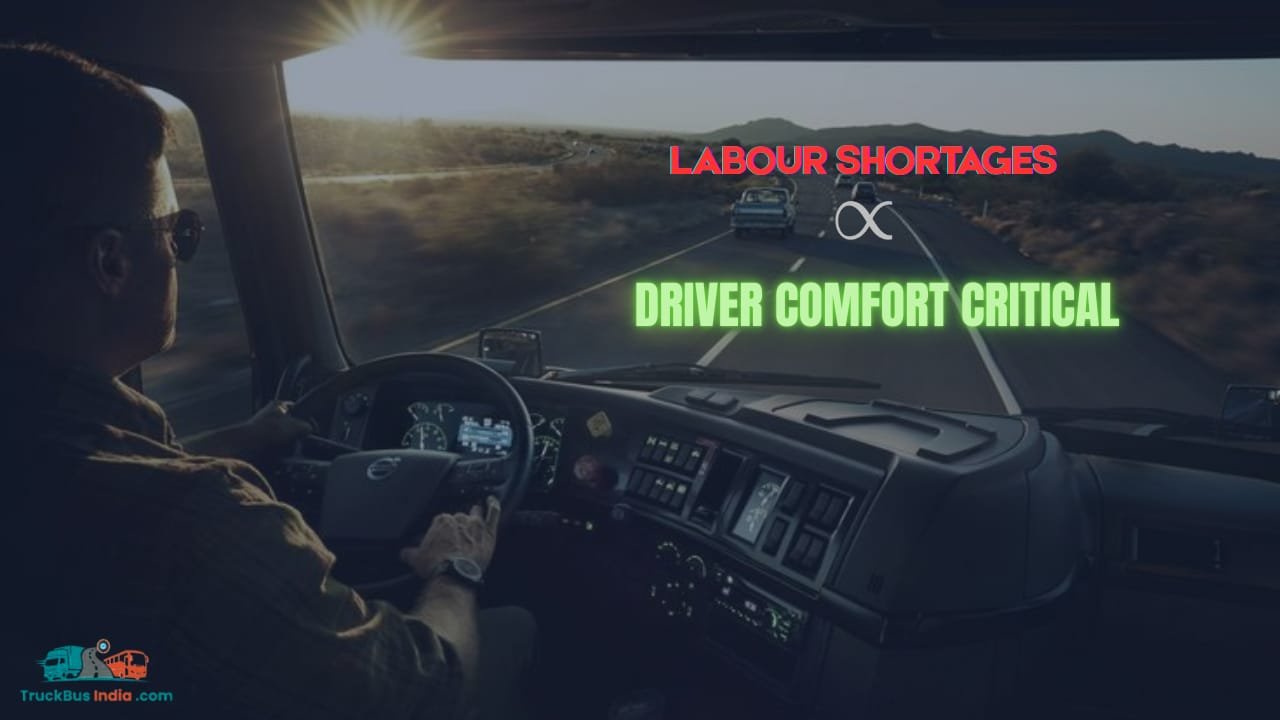
India’s construction sector is expanding at a record pace, driven by rapid infrastructure development, urbanisation, and government-backed megaprojects. Yet, this growth comes with a significant challenge: the persistent shortage of skilled labour. Contractors are finding it increasingly difficult to hire and retain experienced equipment operators and truck drivers—both of whom are essential for smooth site operations. In this environment, driver comfort has evolved from an optional feature to a strategic priority. Today, the demand for comfortable cabs on tippers and support trucks has never been higher.
As construction equipment (CE) becomes more productive and technologically advanced, the trucks that work alongside them must also adapt. The connection between CE and trucking is stronger than ever—material flows, haul cycles, and site turnaround times depend heavily on the coordination between machines and trucks. And at the centre of this coordination are the drivers who spend long hours navigating tough terrains, dusty sites, and challenging schedules.
This shift is creating a new wave of expectations for tipper cabin features and overall CE truck ergonomics across the industry.
Labour Shortages Are Changing Contractor Priorities
Contractors today face a practical reality: attracting and retaining reliable drivers is getting harder. Many experienced drivers are moving to other sectors with better working conditions, while younger workers often prefer jobs that offer comfort, stability, and modern amenities.
To remain competitive, contractors are placing greater emphasis on providing trucks with:
- Air-conditioned cabins
- Ergonomic seating
- Low-vibration interiors
- Noise reduction engineering
- Better thermal insulation
These features directly influence job satisfaction, fatigue levels, and overall performance. In an environment where labour is scarce, these benefits significantly improve retention.
This rising focus on driver comfort construction is reshaping how OEMs design their tipper and haulage trucks intended for CE-linked operations.
Comfort Equals Productivity on Site
Driver comfort is no longer viewed as a luxury—it directly impacts productivity. On a typical construction site, trucks operate for long stretches, cycling between loading zones and dumpsites. Uncomfortable working conditions can lead to slower turnaround, more frequent breaks, and higher fatigue-related errors.
Comfort-focused features help drivers stay alert and efficient, ensuring predictable cycle times and smooth coordination with CE equipment such as excavators, loaders, and batching plants.
Key comfort-driven productivity boosters include:
- Ergonomic seats that reduce back, shoulder, and neck strain
- Optimised cabin layout for easy access to controls
- Enhanced visibility through wide-angle mirrors and improved cabin height
- Climate-controlled interiors to reduce heat stress in dusty, high-temperature work zones
When drivers are comfortable, project delays reduce, equipment utilisation increases, and contractors see more consistent daily output.
Safety and Comfort Go Hand in Hand
With long hours and high-pressure schedules, construction truck driving is physically demanding. Comfort features contribute not only to productivity but also to safety. Fatigue, dehydration, and lack of ventilation are major contributors to on-site accidents.
Comfort-oriented cabins help mitigate these risks by promoting a healthier and more alert working environment. Improved ergonomics also reduces the chances of repetitive strain injuries, helping contractors maintain a stable workforce over longer durations.
OEMs Are Responding to the Trend
Truck OEMs are already recognising this shift in market demand. Newer models of tippers and CE-support trucks are increasingly being designed with driver well-being as a core pillar. Better suspension systems, improved shock absorption, wider sleeper berths, and premium interior materials that reduce vibration and dust ingress are becoming standard expectations.
As labour shortages intensify, this trend is likely to accelerate. The next phase of advancement in CE truck ergonomics will be driven by human-centered design, with comfort at the forefront.
A More Worker-Centric Future for Construction Logistics
The construction sector is moving toward a more worker-centric mindset. Comfortable, ergonomic, and climate-controlled cabins are becoming essential tools for workforce retention and operational efficiency. With skilled drivers in short supply, providing a superior working environment is not just a perk—it’s a competitive advantage.
Contractors who prioritise driver comfort will remain better positioned to maintain consistent operations, utilise CE equipment to its fullest potential, and keep projects on track.