
News List
How Drivers Can Identify Dangerous Winter Road Conditions

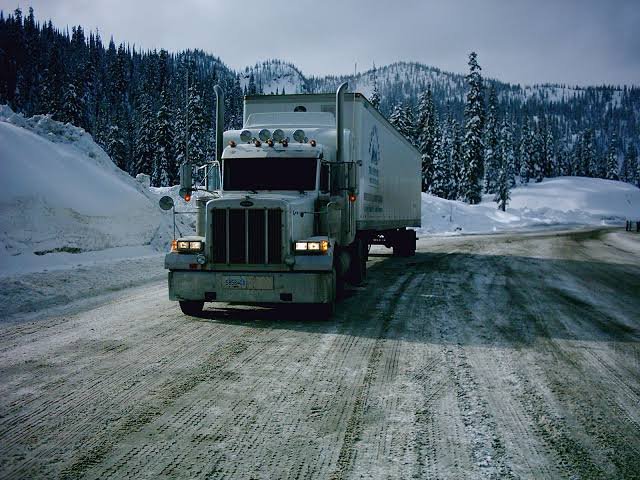
Winter driving often turns ordinary roads into unpredictable terrain, and truck drivers know better than most how quickly conditions can shift from manageable to dangerous. What seems like a routine stretch of highway can transform into a skating rink in seconds — and recognizing the early signs of trouble is often the only way to stay in control.
As veteran instructors remind new and experienced drivers alike, understanding how to “read the road” is essential during the coldest months. Temperatures, terrain, and even the time of day can create hazards long before they’re visible to the naked eye.
One of the biggest misconceptions, experts say, is assuming that air temperature reflects the condition of the pavement. Andy Roberts, president of the Mountain Transport Institute in Castlegar, B.C., explains that bridges and overpasses freeze much sooner than regular roads. Without insulation beneath them, the pavement cools rapidly, meaning drivers can move from wet, bare asphalt to slick frost in an instant. Large culverts create the same risks, as cold air flowing underneath accelerates surface freezing.
Black ice is another silent threat, especially on highways running beside lakes, rivers, and creeks. As water releases moisture into the air during cold nights, that mist settles and freezes on the pavement. Roads shaded by mountains, trees, or overpasses remain colder throughout the day, making them prime locations for icy patches even when the rest of the route appears clear.
Drivers should be particularly cautious when entering shaded corners, Roberts says, recalling a notorious bend near Castlegar that ices over each fall despite sunny weather. These areas often see early-season crashes from motorists who underestimate how quickly traction disappears.
Visibility hazards add a second layer of danger. Fog and sudden white-outs can reduce sightlines to near zero without warning. In such conditions, slowing down gradually, keeping wider following distances, and maintaining awareness of nearby vehicles become critical. High beams should be avoided, as they reflect off fog, snow, and mist, worsening visibility. Following the road’s right-edge “fog line” can help drivers stay oriented when the road ahead disappears.
Recognizing the signs of black ice can be lifesaving. If tires stop producing spray on a road that looks wet, if the steering suddenly feels loose, or if the usual road noise goes quiet, drivers may already be gliding over ice. Even vehicle thermometers can mislead, since shaded or elevated surfaces may freeze while the dashboard still shows temperatures above zero.
Snow itself behaves differently depending on the temperature. Near-freezing snow becomes heavy and greasy under tires, while deep-cold powder creates the risk of total white-outs when a passing truck stirs it up. Lake-effect snow can blanket a highway without warning even under clear skies, adding yet another winter hazard.
In the end, instructors emphasize that no technology — not ABS, traction control, or onboard sensors — replaces an attentive driver who stays alert to the subtle cues beneath their wheels. Winter roads demand patience, awareness, and respect long before the first slide begins.