
News List
Gadkari Clarifies Vehicle Concerns Over India’s E20 Fuel

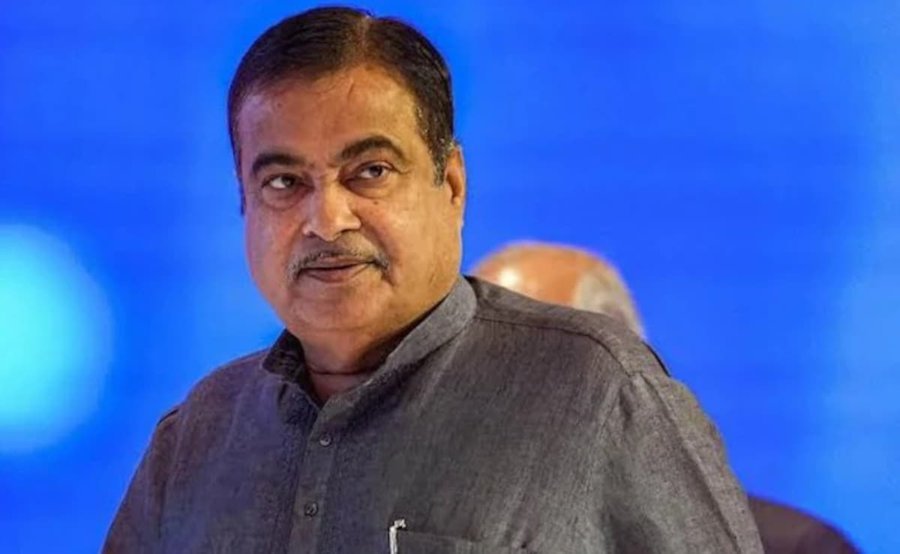
Union Road Transport and Highways Minister Nitin Jairam Gadkari has moved to settle ongoing public debate around India’s shift to 20% ethanol-blended petrol, stating that government-backed evaluations have found no signs of engine damage or major performance issues linked to E20 use. His remarks were made in a written reply in Parliament, where he also confirmed that the government is not considering any compensation fund for vehicle owners claiming fuel-related damage.
The clarification followed a series of questions from MP Derek O’Brien, who sought detailed data on consumer complaints regarding E20. These included allegations of engine failures, reduced mileage, warranty disputes and insurance-related refusals. He additionally asked whether the government had collected a manufacturer-wise or insurer-wise breakdown of such cases and whether a formal redressal mechanism was being planned.
Gadkari pointed to findings released by the Ministry of Petroleum and Natural Gas in an August 4 technical note, which consolidated results from multiple studies conducted by Indian Oil Corporation (IOCL), the Society of Indian Automobile Manufacturers (SIAM), and the Automotive Research Association of India (ARAI). According to these tests, vehicles assessed on E20 “have not shown any significant variations in performance,” with investigators also reporting “no adverse impact” on critical components.
The minister also reiterated the larger environmental and performance-related advantages of ethanol blending. Ethanol carries lower greenhouse gas emissions than conventional petrol, and its higher octane rating improves anti-knock properties. At an effective RON 95, E20 helps enhance combustion quality in engines designed to handle the blend.
On the frequently voiced concern of reduced fuel economy, Gadkari stressed that mileage cannot be attributed to fuel composition alone. Driving habits, regular maintenance, tyre pressure, wheel alignment and use of air-conditioning all significantly influence overall efficiency. He noted that standard test parameters — including drivability, cold start performance and metal compatibility — showed no signs of concern during E20 evaluations.
A key question raised in Parliament was the impact of E20 on older vehicles, particularly those purchased before the country’s transition to higher ethanol content. Gadkari clarified that vehicles sold prior to April 1, 2023 were engineered for E10 fuel, while those manufactured after that date comply with E20 material standards. Although older vehicles can still use E20, they were not originally built with higher ethanol percentages in mind, making compatibility an area of public interest.
As India pushes toward cleaner fuels and higher ethanol blending targets, concerns from vehicle owners continue to surface. Gadkari’s latest statement, however, signals the government’s confidence in existing research — and its decision not to pursue compensation mechanisms at this stage.