
News List
Bharat Taxi Launches Cooperative Ride-Hailing Pilot in India

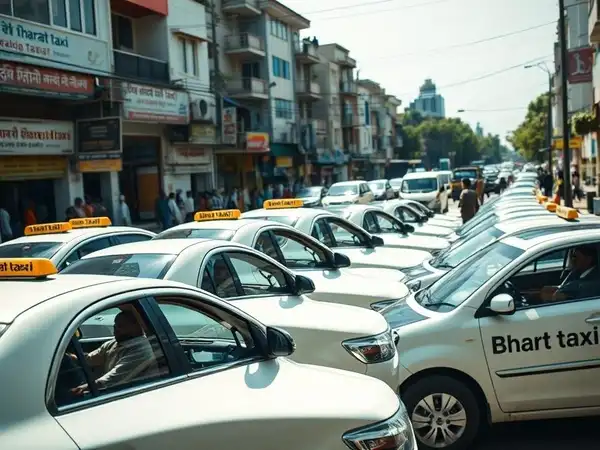
India’s mobility sector is witnessing a major shift with the soft launch of Bharat Taxi, a cooperative ride-hailing platform designed to challenge the dominance of private aggregators. The service, operated by Sahakar Taxi Cooperative Limited, has rolled out pilot operations in Delhi and Gujarat, setting the stage for a people-centric alternative to existing cab services.
Supported by the Union Ministry of Cooperation and the National e-Governance Division (NeGD), Bharat Taxi forms a key component of the government’s “Sahakar Se Samriddhi” push towards community-owned digital enterprises. Unlike conventional platforms, the model places drivers at the core, allowing them to function not merely as service providers but as stakeholders with real decision-making power.
A defining feature of the initiative is its zero-commission policy. Drivers — referred to as “Saarthis” to emphasise dignity and partnership — retain the entire fare amount, escaping the high commission cuts that have long burdened gig workers on mainstream ride-hailing apps. Passengers, meanwhile, benefit from a no-surge pricing system that ensures stable and predictable fares regardless of peak-hour demand, weather disruptions, or special events.
Driver ownership further distinguishes Bharat Taxi from existing models. Saarthis can purchase shares in the cooperative, gain transparent access to earnings data, and help shape operational guidelines. The platform is also being built with deep integration into national digital systems, including DigiLocker and UMANG, enhancing both user convenience and backend efficiency.
The pilot phase began in November 2025, with beta testing underway on the Android app across Delhi and the Saurashtra region of Gujarat. The iOS version is expected to follow shortly. Early traction has been remarkable: in just ten days, more than 51,000 drivers registered with the cooperative, far surpassing global precedents such as New York’s Drivers Cooperative, which launched in 2020 with 4,000 members.
Delhi alone has seen around 650 driver-owners join during the initial rollout, with a broader nationwide expansion planned by December 2025. The strong early response underscores the appetite for fairer earning models and transparent fare structures within the mobility sector.
For drivers, Bharat Taxi promises better income stability, democratic participation, and a sense of ownership. For passengers, the platform seeks to offer cleaner vehicles, improved accountability, and hassle-free pricing. For policymakers, it represents a significant step in embedding cooperative principles into fast-growing digital ecosystems.
Bharat Taxi’s arrival aligns closely with the larger “Sahakar Se Samriddhi” framework, which envisions community-led platforms capable of competing with corporate giants while ensuring that value created by workers flows back to them. By balancing affordable fares with driver prosperity, the initiative challenges traditional profit-driven service structures and signals a new chapter in India’s ride-hailing landscape.