
News List
Amid Delhi’s Smog, Truck Drivers Continue Working Under Hazardous Air Conditions

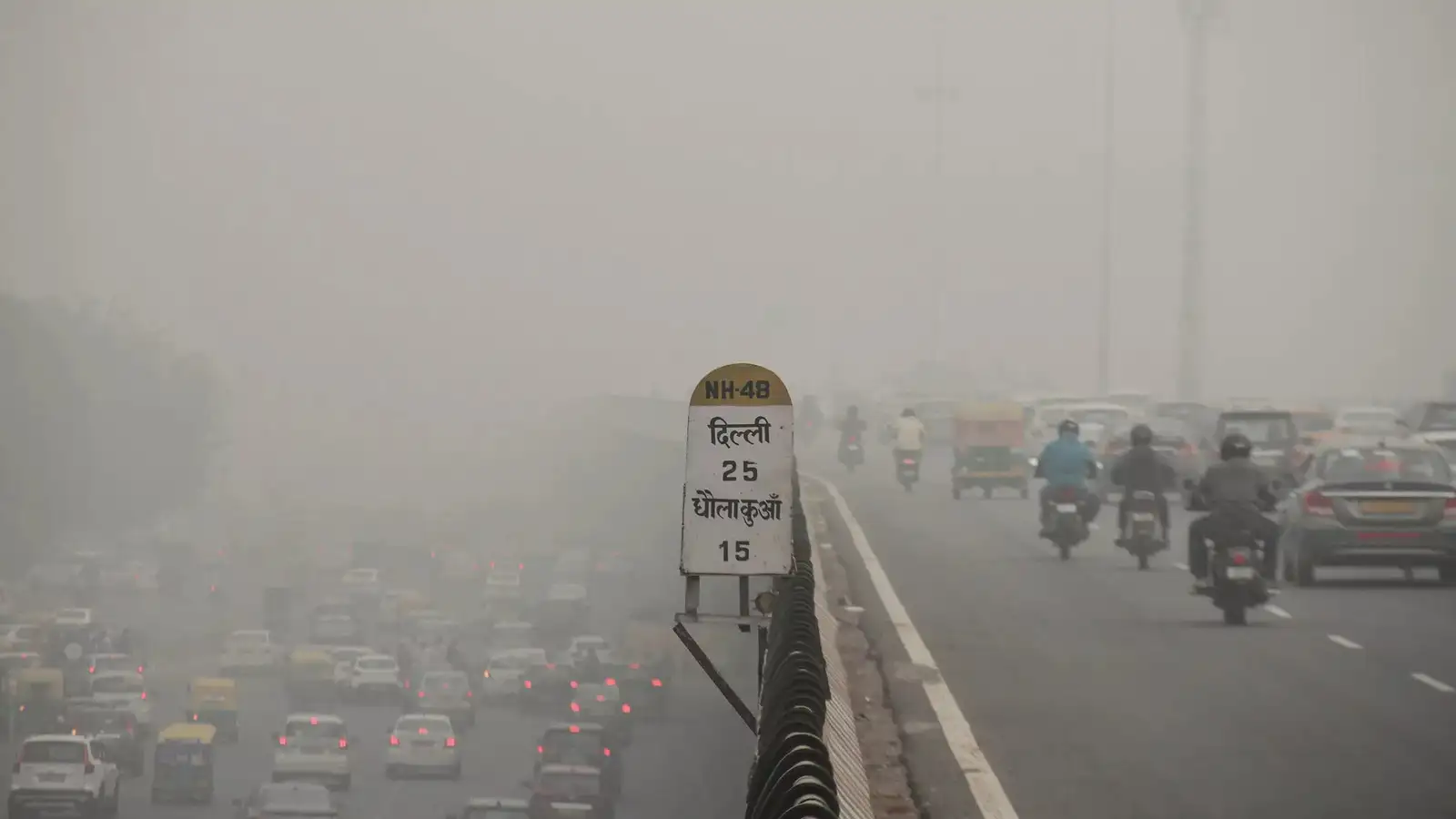
As winter advances, New Delhi finds itself enveloped yet again in a dense, hazardous smog — a toxic mix of particulate matter (PM2.5/PM10) and vehicular pollutants such as nitrogen dioxide (NO₂) and carbon monoxide (CO). For many people, staying indoors or reducing outdoor exposure is an option. But for the city’s truck drivers, doing their job means venturing out daily to load, unload, deliver — and breathe in the polluted air.
How Pollution Hits Those Behind the Wheel
According to a recent assessment by the Centre for Science and Environment (CSE), even though stubble burning in neighbouring states — long blamed for Delhi’s winter smog — has dropped this season, pollution levels remain stubbornly high. The culprits: emissions from vehicles, industrial combustion, dust, construction and other local sources.
Additionally, the CSE study shows that spikes in PM2.5 coincide with spikes in NO₂ and CO during the morning (7–10 AM) and evening (6–9 PM) — exactly when traffic peaks and many truckers are most active. This means that a driver on the road at those hours is being exposed to a “toxic cocktail” of fine particles and harmful gases — far beyond the “very poor” threshold of air quality.
Health risks are not trivial. Chronic exposure to PM2.5, NO₂, CO and other pollutants is known to aggravate respiratory and cardiovascular diseases, reduce lung function and increase the risk of chronic conditions.
The Regulatory Crackdown — A Mixed Blessing
In response to these alarming air-quality levels, CAQM invoked the Graded Response Action Plan (GRAP) whenever AQI pushed into “severe” ranges. Under GRAP Stage III and IV, restrictions include banning or limiting entry of many diesel-powered trucks and older commercial vehicles into Delhi/NCR, suspending non-essential construction, and urging people to avoid outdoor activities.
But this crackdown — while good for air — hits hard on truck drivers. Many fear for their livelihoods. As reported in 2024, truckers expressed anxiety over potential income loss, inability to service loans or repay EMIs, and uncertainty about their future when their vehicles are barred from entering the city.
One driver told reporters: “If our freight trucks are not allowed to enter Delhi, we will face livelihood challenges. We have EMIs to pay for our commercial vehicles.”
Some drivers also shared that while they understand the need to curb pollution, they simply have no alternative — their day’s earnings depend on these deliveries.
The Human Cost of Pollution Controls
The combined reality — polluted air, forced restrictions, uncertain income — puts truck drivers in a precarious position. On one hand, regular exposure to Delhi’s toxic winter air can have long-term health consequences. On the other hand, strict pollution-control measures threaten their livelihood.
This dichotomy reveals a more systemic issue: environmental policy can only be truly effective when it balances ecological goals with social justice and worker welfare. For truck drivers — many from economically vulnerable backgrounds — bans and restrictions without alternate means of support, compensation or alternatives (like clean-fuel/electric fleets, social safety nets) translate into hardship.
What Should Be Done
- Support for drivers: When stricter curbs are in place, the authorities must offer alternatives — for example, subsidies for transitioning to cleaner (CNG / BS-VI / electric) trucks, financial support if their vehicles get grounded, or alternate job support.
- Faster transition to clean vehicles: As local polluters — especially diesel trucks — contribute significantly to winter smog, accelerating the shift to cleaner or electric commercial vehicles could reduce pollution without crippling livelihoods.
- Health protection & awareness: Drivers need to be informed about the health risks, provided protective gear (masks/respirators), and access to periodic health checkups.
- Policy design with sensitivity: Pollution-curbing policies should include stakeholder consultations — truckers, workers, small transporters — to ensure that environmental objectives don’t disproportionately harm vulnerable workers.
Delhi’s pollution crisis isn’t just an environmental or public-health problem — it’s a human-livelihood crisis. For thousands of truck drivers, the city’s toxic air and the well-intentioned regulatory crackdown together create a devastating bind: breathe and risk long-term illness, or stay grounded and risk poverty.
Recognising this dual burden is the first step. Without social safeguards and inclusive planning, efforts to clean the air may end up punishing those who keep the city running.