
News List
Heavy-Duty Truck Segment Records Strongest Quarter Since 2019: What’s Fueling the Surge?

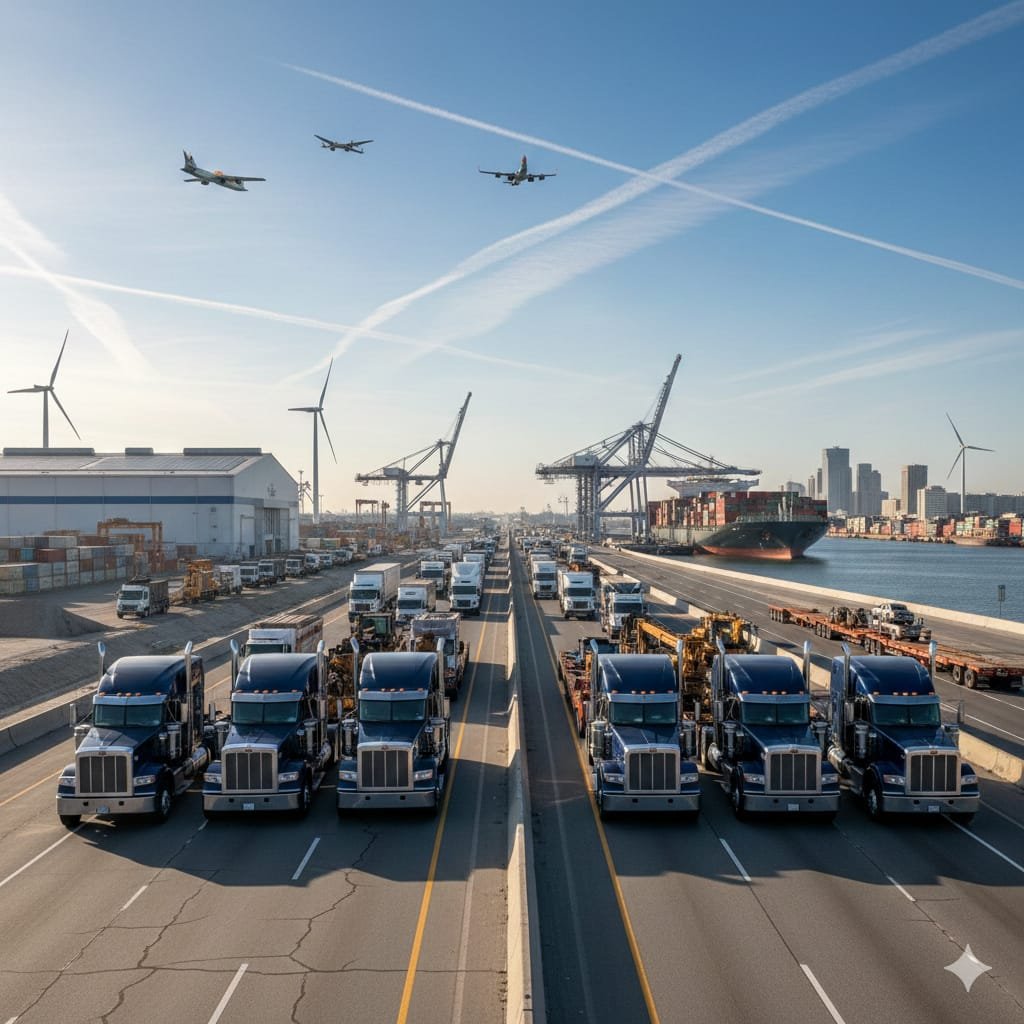
The heavy-duty truck (HDT) industry has just delivered its most robust quarter since 2019, signalling renewed momentum across freight, logistics, construction, and manufacturing sectors. Multiple economic and technological forces have aligned to push demand to its highest level in six years. Here’s an in-depth look at what’s driving the surge.
1. Fleet Modernisation at an All-Time High
One of the biggest catalysts behind the industry’s growth is rapid fleet replacement. Many commercial operators held back on upgrading their fleets during the pandemic, leading to extended use of older trucks.
Now, faced with rising maintenance costs, lower fuel efficiency, and reliability challenges, fleet owners are accelerating upgrades. New-age heavy-duty trucks offer advanced engines, improved mileage, and longer service intervals — all of which help lower operational costs. This transition has generated a significant spike in fresh orders.
2. Boom in Infrastructure and Industrial Activity
The surge in infrastructure development has created massive demand for heavy-haul vehicles. Governments and private companies across major economies are investing heavily in highways, smart cities, mining operations, renewable energy projects, and industrial expansion.
These sectors rely on heavy-duty trucks for moving raw materials, machinery, aggregates, and construction components. As projects expand in scale and frequency, the demand for heavy-load transportation has risen accordingly, directly contributing to record sales.
3. Logistics and E-Commerce Driving Freight Needs
The logistics sector continues to evolve rapidly, powered by the growth of e-commerce, omnichannel retail, and long-distance freight networks. Even as supply chains stabilize post-pandemic, demand for faster, larger, and more dependable freight movement is increasing.
Heavy-duty trucks form the backbone of long-haul transportation, making them indispensable for everything from FMCG and electronics to industrial cargo. The rise in freight volumes has naturally translated into stronger sales for HDT manufacturers.
4. Stricter Emission Norms Accelerate Replacement Cycles
Regulatory pressure is another factor behind the surge. Many countries have introduced tighter emission norms, compelling operators to retire older, more polluting models.
Modern heavy-duty trucks comply with cleaner standards, offer better fuel combustion, and are designed with efficiency-focused technologies. This shift toward greener transport has accelerated purchases across both private and commercial sectors.
5. Technological Advancements Improve Performance and Safety
The 2025 generation of heavy-duty trucks is more advanced than ever. Key upgrades include:
- Intelligent telematics systems
- Predictive maintenance technology
- Enhanced driver-assistance features
- Lightweight yet durable chassis
- Improved torque and power delivery
These enhancements have made modern trucks not only more efficient but also safer and easier to operate. As operational efficiency becomes a top priority for logistics and construction businesses, the appeal of feature-rich models has grown significantly.
6. Economic Rebound Strengthens Freight Demand
As global trade rebounds and manufacturing activities expand, freight circulation has increased. Industries such as automotive, steel, chemicals, and consumer goods are experiencing steady growth — all of which require heavy-duty trucking support.
This broad-based economic momentum has created consistent demand for new trucks, contributing to the strongest quarter the sector has seen since 2019.
Conclusion: A Multi-Layered Surge Poised to Continue
The heavy-duty truck segment’s record-breaking quarter is not the result of a single factor but a convergence of fleet modernisation, rising freight needs, infrastructure expansion, technological progress, and regulatory push.
With continued investment in logistics, construction, and sustainable mobility, industry experts believe this growth phase may extend well into the coming years — marking a new era of opportunity for heavy-duty truck manufacturers and operators worldwide.