
News List
Fleet Modernisation Trend 2025: Why Fleet Owners Are Replacing Old Trucks with BS-VI and Smart Vehicles

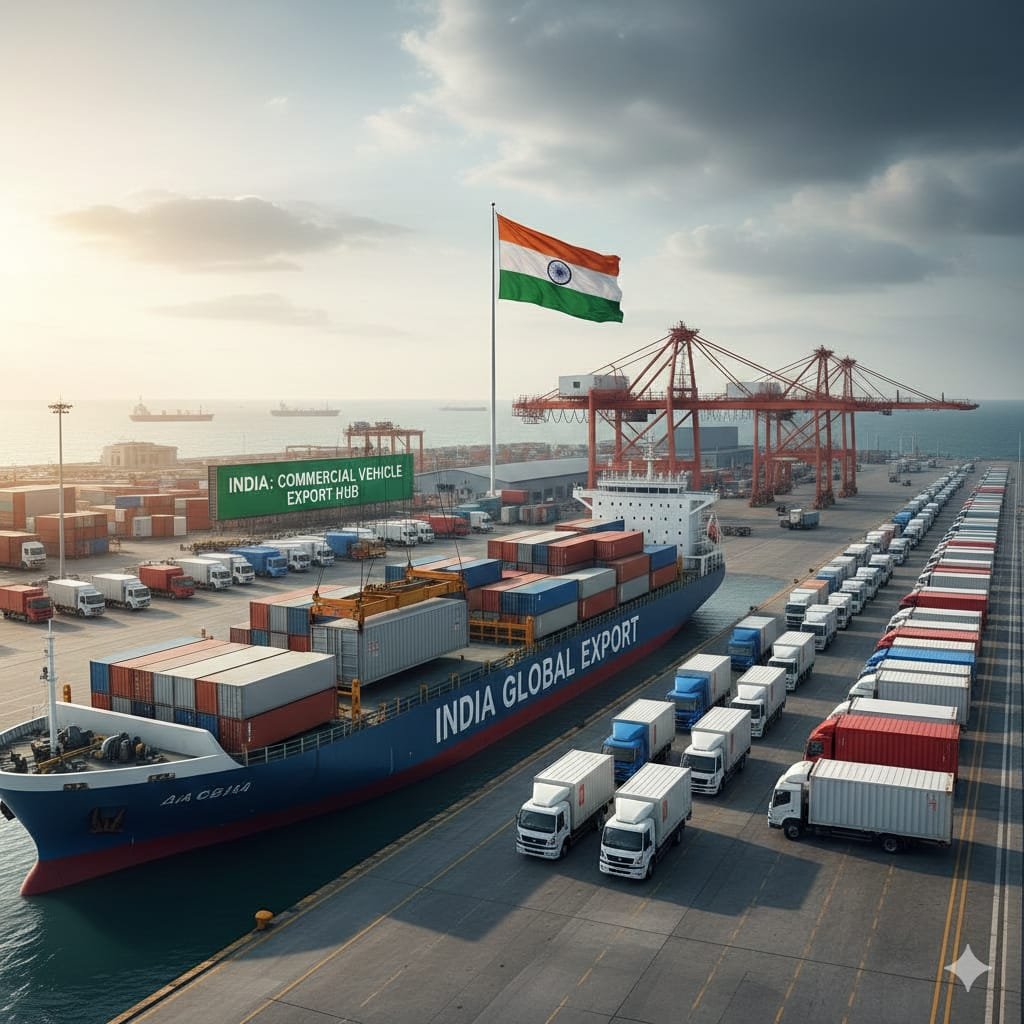
India’s commercial transport sector is witnessing one of its most crucial shifts in decades — a fast-paced move toward modern fleets built on BS-VI engines, advanced telematics, and smart connectivity. For years, fleet replacement cycles were slow, with operators preferring to run older trucks until the very end of their usable life. But 2025 has changed the landscape.
Stricter emission norms, rising maintenance costs, digital logistics networks, and competitive pressures are pushing transporters to rethink how they operate — and more importantly, what they operate. New-age trucks are no longer just machines; they are intelligent assets designed to reduce total ownership cost and boost productivity.
Regulatory push: BS-VI compliance becomes unavoidable
The transition to BS-VI norms marked a major technological jump, bringing Indian trucks closer to global emission standards. While initial adoption was gradual due to cost concerns, 2025 has seen a significant acceleration in fleet upgrades.
Older BS-III or BS-IV trucks now struggle to remain viable due to:
- Stricter enforcement of emission rules
- Rising fitness and renewal costs
- City-level restrictions on older commercial vehicles
- Higher fuel consumption and frequent breakdowns
For fleet operators, holding onto old trucks is no longer economical. BS-VI powertrains are cleaner, more fuel-efficient, and engineered to meet stringent emission standards without compromising performance.
In many logistics corridors, shippers increasingly prefer — and sometimes mandate — BS-VI compliant vehicles for contracts. This alone has pushed many operators to refresh their fleets sooner than planned.
Fuel savings & lower cost of ownership
One of the strongest motivators behind the shift is fuel economy. New-generation BS-VI trucks offer superior combustion, advanced injection systems, and reduced parasitic losses. Over long hauls, the difference in mileage compared to older trucks can be substantial.
Additionally, BS-VI engines come with better drivetrain technologies, optimised aerodynamics, and intelligent power management systems — all contributing to lower operating costs.
Modern trucks also require less frequent unscheduled maintenance, which means fewer breakdowns, better uptime, and predictable operating cycles. For fleet owners working on tight margins, these savings make a compelling business case for replacement.
Rise of smart, connected & telematics-enabled fleets
Compared to older trucks with minimal electronics, new-generation commercial vehicles come built with factory-fitted telematics. These systems enable:
- Real-time vehicle tracking
- Driver behaviour monitoring
- Fuel theft detection
- Engine diagnostics
- Predictive maintenance alerts
- Automated trip logs and reports
This data-driven approach transforms how fleets operate. Instead of reactive maintenance, fleet owners can now plan repairs in advance, avoiding roadside failures. Trip managers can monitor driving habits to cut fuel waste, reduce idling, and improve safety.
Smart trucks also integrate with logistics platforms, e-marketplaces, and load-matching networks, enabling faster turnaround and higher utilisation.
Enhanced safety features for driver and cargo
Fleet operators are becoming more conscious about safety — not just due to regulations but because accidents severely impact profitability.
New-age trucks come equipped with:
- Advanced driver assistance systems (ADAS)
- Lane departure warnings
- Collision avoidance systems
- Stability control
- Engine immobilisers
- Better cabin ergonomics
These improvements dramatically reduce fatigue‐related incidents and enhance driver confidence. With cargo values rising and insurance norms tightening, safety features are no longer optional — they are a necessity for maintaining profitable operations.
Market dynamics: Competition demands modern fleets
Today’s logistics ecosystem rewards efficiency and reliability. E-commerce, FMCG, infrastructure projects, and temperature-controlled cargo all rely on tight delivery schedules. Shippers and aggregators prefer fleets with:
- Higher uptime
- GPS-enabled transparency
- BS-VI compliance
- Tracked performance metrics
Older trucks simply cannot match the reliability levels demanded by modern supply chains. As a result, many operators upgrading to smart fleets find themselves securing better contracts, faster payment cycles, and more long-term partnerships.
Financing & resale benefits encouraging faster upgrades
The financing ecosystem has evolved too. NBFCs and banks are offering attractive schemes for BS-VI trucks with lower interest rates, longer tenures, and flexible repayment models.
At the same time, resale value for well-maintained BS-VI vehicles remains significantly higher than older models, reducing lifecycle cost. Operators who modernise their fleets earlier often enjoy stronger residual value when they upgrade again.
Conclusion
Fleet modernisation in 2025 is not just a trend — it’s a strategic necessity. Operators upgrading to BS-VI and connected smart vehicles are seeing clear advantages: lower fuel costs, fewer breakdowns, better safety, and stronger earning potential.
As India’s logistics sector becomes more technology-driven and regulation-focused, modern trucks will be the foundation of sustainable, profitable transport operations. For fleet owners planning long-term growth, the message is clear: the future belongs to smarter fleets — and the time to modernise is now.