
News List
Commercial Vehicle Price Trends 2025: What Buyers & Fleet Owners Must Know

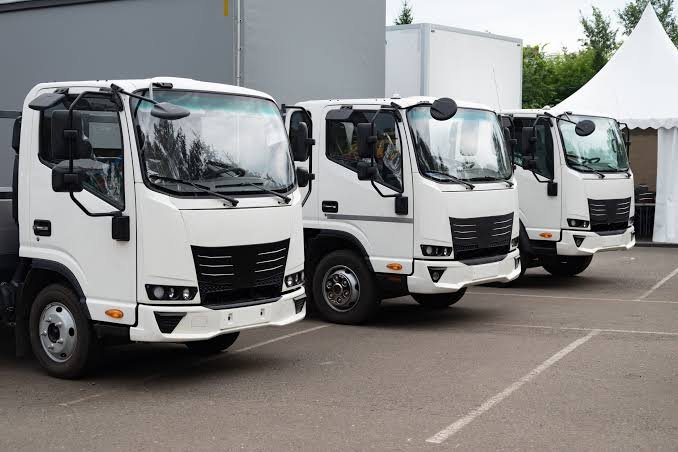
The commercial vehicle (CV) market in India is entering a transformative phase in 2025. From rising input costs to the rapid shift toward electric mobility, several forces are shaping how much buyers and fleet owners will pay for trucks, buses, and light commercial vehicles this year. Whether you’re planning a new purchase, replacing older models, or expanding your fleet, understanding these trends can help you make smarter, cost-efficient decisions.
1. Raw Material Costs Are Stabilising – But Not Falling
One of the biggest contributors to CV pricing in the last few years has been fluctuating steel, aluminium, and battery mineral costs. In 2025, prices have stabilised, but OEMs are unlikely to reduce vehicle prices anytime soon.
Why? Because manufacturers are still absorbing higher logistics, labour, and compliance costs. Fleet owners should expect prices to stay flat or increase marginally (1–3%) across most categories.
2. Electric Commercial Vehicles Are Becoming More Affordable
The launch of new battery chemistries, higher local manufacturing, and improved charging solutions have gradually made electric CVs more accessible. In 2025:
- Prices of small electric LCVs have dropped by 5–7% due to scale production.
- Medium and heavy electric trucks remain expensive, but state-level incentives and lower operational costs are increasing adoption.
- OEMs like Tata, Ashok Leyland, and Mahindra are expanding their EV portfolio aggressively.
For city logistics, last-mile delivery companies are shifting rapidly to EVs because the total cost of ownership (TCO) is now much lower than diesel.
3. BS6 Phase 2 Compliance Continues to Push Prices Up
Even though BS6 Phase 2 norms were introduced earlier, 2025 is the year when the full cost impact is being felt. Higher R&D investments, advanced emission control systems, and telematics integration for compliance checks mean diesel CVs carry a higher upfront price tag.
This trend is particularly visible in:
- HCVs (Heavy Commercial Vehicles)
- Multi-axle trucks
- Passenger buses
4. Telematics & Smart Features Now Come at a Premium
Connected features are no longer optional — they’re becoming standard. OEMs are bundling:
- Real-time vehicle tracking
- Fuel monitoring systems
- Predictive maintenance alerts
- Driver behaviour analysis
These additions are improving efficiency but also pushing vehicle prices upward by ₹20,000–₹45,000 depending on the model.
5. Financing Costs Are Rising in 2025
Higher interest rates mean buyers will need to factor in increased EMIs. NBFCs and banks are tightening their lending criteria as well, especially for first-time fleet owners. However:
- Green mobility loans for electric CVs offer reduced interest rates.
- Longer-tenure loans and flexible EMI plans are becoming more common.
Fleet owners should shop around and compare financing options to manage long-term costs.
6. Residual Value of Diesel Vehicles Is Slowly Declining
With stricter emission norms and the rise of EVs, resale values of older diesel trucks are starting to drop. This is especially true in metro cities where clean mobility policies are accelerating vehicle scrappage and early retirement.
If you’re planning to sell or upgrade, 2025 is a crucial year to take timely decisions before values fall further.
7. What This Means for Buyers & Fleet Owners
Here’s how to navigate the 2025 CV pricing landscape:
- Evaluate TCO, not just purchase price — EVs may cost more upfront but save significantly on running costs.
- Upgrade older diesel vehicles sooner to retain resale value.
- Explore government incentives, especially for electric and alternative-fuel vehicles.
- Choose tech-enabled models that improve efficiency and reduce long-term maintenance expenses.
- Plan purchases early to avoid price hikes expected mid-year due to regulatory changes.
Final Thoughts
The commercial vehicle sector in 2025 is driven by technology, compliance, and the growing shift toward sustainability. While upfront prices may continue to rise slightly, smarter investments, fuel choices, and financing strategies can help buyers and fleet operators control long-term costs. Understanding these price trends is the first step toward building a future-ready and profitable fleet.