
News List
The New Rural Business Vehicle: Why Farmers and Small Transporters Are Upgrading to Multi-Utility CVs in 2025

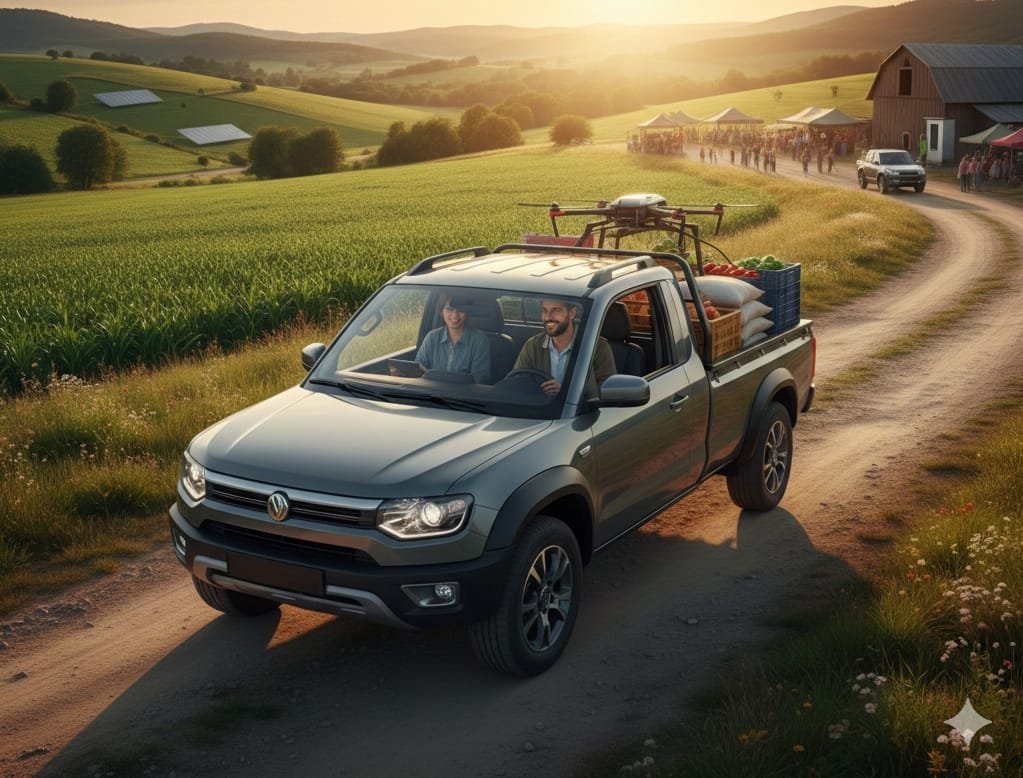
Rural India is undergoing a quiet transportation revolution. Farmers, small transporters, micro-entrepreneurs, and village-based businesses are steadily shifting from traditional tractors and entry-level goods carriers to multi-utility commercial vehicles (CVs). These new-age vehicles—designed for multi-purpose use, fuel savings, and higher payloads—are emerging as the backbone of rural logistics and on-ground entrepreneurship in 2025.
Rural Demand Is Changing—And So Are Vehicles
A decade ago, most rural transportation needs were straightforward: carrying farm produce to mandis, transporting construction materials locally, or delivering small goods within villages. However, 2025 presents a different picture. Rural consumers demand faster delivery, small manufacturing units have grown, and agri value chains are much more organised.
This shift has created demand for vehicles that can handle more trips, varied loads, better mileage, and longer routes—something traditional rural vehicles struggled with. Multi-utility CVs bridge exactly this gap.
The Multi-Utility Advantage: One Vehicle, Many Uses
The biggest appeal of new multi-utility CVs is their versatility. A single vehicle today can:
– Carry agricultural produce
– Supply fertilisers and seeds
– Transport milk, fish, poultry, or perishables
– Serve as a goods carrier for small traders
– Support construction and local contracting work
– Even function as a passenger-cum-cargo vehicle in some regions
For a rural entrepreneur, one CV can now replace two or three separate vehicles, cutting operating costs and improving earnings.
Better Mileage, Better Payloads = Better Business
Modern multi-utility CVs launched in 2024–25 are built with improved powertrains, lightweight bodies, stronger suspensions, and fuel-efficient engines. Manufacturers have focused on:
– Higher payload capacity for bulkier loads
– Low maintenance engines
– Wider cargo decks
– BS6-compliant and greener options
– CNG, LPG, and electric variants for low running cost
For farmers, this means fewer trips during peak harvest season and lower diesel consumption. For transporters, this means more daily deliveries and higher margins.
The Rise of Rural Entrepreneurship Is Fueling Demand
Government schemes promoting micro-businesses, agri-processing units, and rural start-ups have pushed the demand for commercial vehicles. Multi-utility CVs have become essential for:
– Local e-commerce deliveries
– Dairy and poultry logistics
– Feed and fodder supply chains
– Farm-to-market linkages
– Village-level distribution for FMCG and Kirana stores
With financing options becoming more accessible in rural areas, upgrading to a more capable CV has become easier than ever.
Electric CVs Are Entering Rural Roads
While EV penetration is still higher in cities, the trend is slowly entering villages. Electric multi-utility CVs are especially useful for short-distance transport like:
– Milk routes
– Local mandi runs
– Goods movement between villages
– Daily delivery businesses
Their near-zero maintenance and very low per-km running cost make them appealing where fuel prices strain profitability.
A Vehicle That Supports Rural Growth
The shift to multi-utility CVs is not just an upgrade—it’s a sign of how rural India is expanding economically. These vehicles help small businesses scale faster, reduce logistic challenges, and enable farmers to control more of the value chain by transporting produce directly to buyers.
As 2025 unfolds, multi-utility CVs are becoming the new rural workhorses—powering everything from farm livelihoods to village-level enterprises and modernising mobility across India’s non-urban landscape.