
News List
The 2025 Light-Commercial-Vehicle Surge: Who Leads India’s LCV Segment?

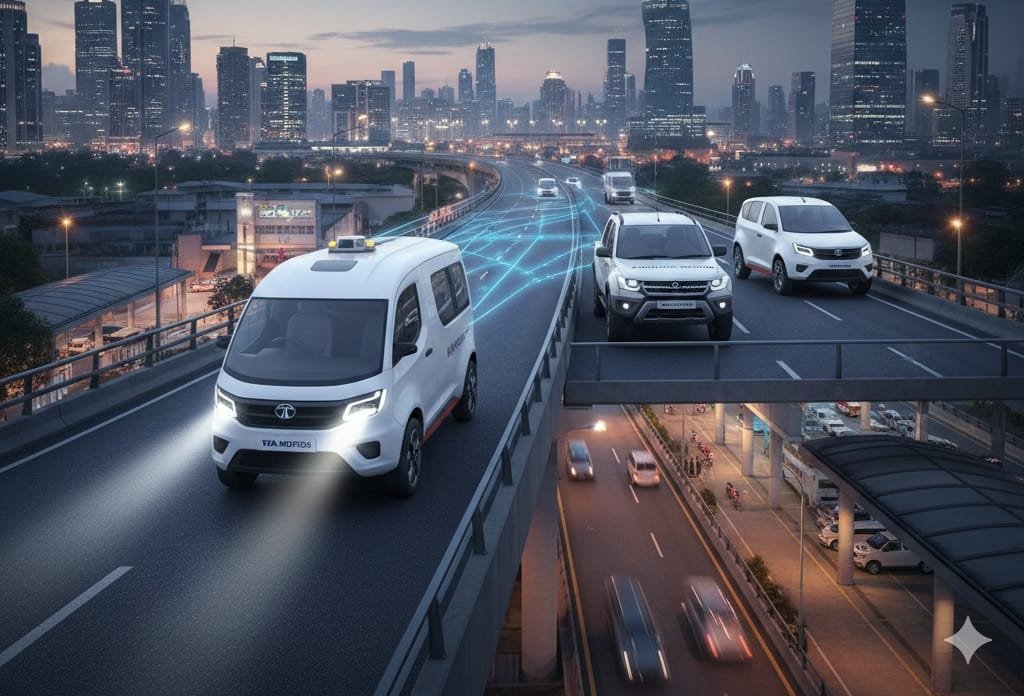
India’s light-commercial-vehicle (LCV) market is entering a high-growth phase in 2025, driven by rapid expansion in e-commerce, rural logistics, and small-business transportation needs. With heightened demand for efficient last-mile delivery, durable cargo carriers, and fuel-economic options, OEMs such as Tata Motors, Mahindra & Mahindra, and Ashok Leyland are aggressively shaping the market. The race for leadership is intensifying—but who truly leads the LCV segment in 2025?
Why India’s LCV Market Is Booming in 2025
Several trends are fuelling India’s LCV growth streak:
- E-commerce and hyperlocal delivery continue to expand, pushing demand for compact and reliable micro-trucks.
- Tier-2 and Tier-3 cities are witnessing strong growth as digital retail and rural MSMEs scale.
- Stringent emission norms and a push toward electric LCVs are prompting companies to upgrade to modern, fuel-efficient vehicles.
- Government initiatives, such as PM Gati Shakti and infrastructure development, are encouraging fleet expansion.
Together, these trends have positioned LCVs as the backbone of India’s last-mile and intra-city logistics network in 2025.
Tata Motors: The Market Leader
Tata Motors continues to dominate the LCV space, holding a significant market share in 2025. Its success comes from:
A Diverse and Trusted Portfolio
Products like the Tata Ace, Tata Yodha, and Tata Intra series remain favourites among small fleet owners and first-time buyers. The Ace remains India’s most iconic mini-truck, widely used for e-commerce and FMCG deliveries.
Expanding Electric Line-up
The Tata Ace EV, which gained popularity in 2024, has surged in demand among logistics startups focusing on green mobility. With improved range and lower operating costs, the Ace EV has strengthened Tata’s leadership in the emerging electric LCV category.
Service Network Advantage
Tata’s unmatched nationwide service network—especially in rural pockets—gives it a competitive edge over other OEMs.
Verdict: Tata Motors continues to lead the LCV segment in 2025, both in volume and brand recall.
Mahindra & Mahindra: Strong Challenger With Rural Dominance
Mahindra remains a powerful force in the LCV market, especially in rural and semi-urban regions.
Bolero Pik-Up: India’s Rural Workhorse
The Mahindra Bolero Pik-Up series remains unbeatable in load-carrying capacity and durability. It dominates business categories such as agriculture, dairy, and small-scale construction.
Jeeto & Supro Range
Mahindra’s compact Jeeto and Supro variants cater to last-mile cargo and passenger mobility, offering impressive mileage and practical payload options.
Electric Push
Mahindra is slowly expanding its EV offerings in the LCV space, expected to play a bigger role from 2026 onward.
Position: Mahindra is the strongest challenger to Tata, holding a solid share among small entrepreneurs and rural logistics operators.
Ashok Leyland: Gaining Traction Through Innovation
Ashok Leyland’s LCV division, particularly the Dost, Bada Dost, and Partner ranges, continues building momentum.
Bada Dost Momentum
The Bada Dost series, with its higher payload and spacious cabin, has become popular among fleet owners scaling e-commerce and FMCG distribution.
Focus on Driver Comfort & Tech
Better ergonomics, stronger engines, and reliability are helping Ashok Leyland attract new-age logistics players.
Emerging EV Strategy
Ashok Leyland’s EV subsidiary, Switch Mobility, is expected to push electric LCVs into the mainstream in the coming years.
Position: A fast-growing contender, especially in 1.5–3.5 tonne categories.
So, Who Leads the LCV Segment in 2025?
While Mahindra and Ashok Leyland are expanding aggressively, Tata Motors remains the clear market leader in India’s LCV space in 2025.
Its strong line-up, early lead in electric LCVs, and extensive service network keep it ahead of competitors.
However, the segment is evolving fast. Rising EV adoption, tech-enabled fleets, and rural market expansion mean the competition will intensify—making the LCV space one of India’s most exciting automotive segments to watch.