
News List
India’s Fleet Operators Signal Strong Shift Toward Zero-Emission Trucks, Nationwide Survey Shows

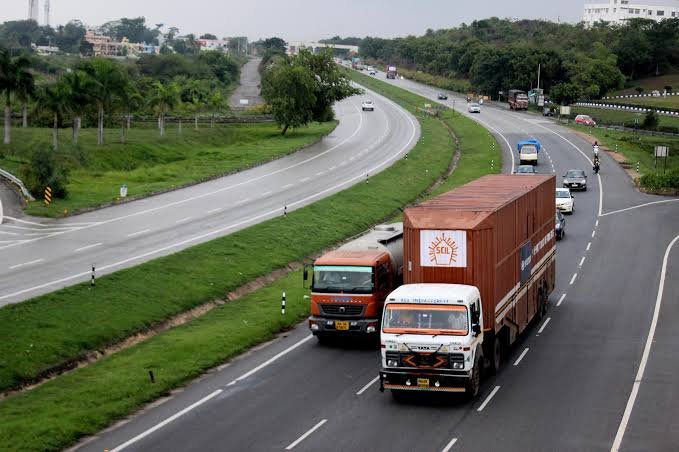
A new nationwide survey conducted among India’s truck fleet operators suggests a major shift is underway in the country’s freight ecosystem. With trucking responsible for nearly 70% of domestic freight movement, the sector is both an economic backbone and a significant contributor to road transport emissions. As India pursues its net-zero 2070 vision and targets 30% electrification of new vehicle sales by 2030, the findings reveal rising readiness among operators to transition to cleaner technologies — provided key barriers are addressed.
The study, authored by Jaideep Saraswat, Associate Director at Vasudha Foundation, and Nikhil Mall, Senior Manager at the Foundation, covered 217 participants representing more than 3,600 trucks across the country. Despite thin margins, manpower shortages and unpredictable operating costs, small and mid-sized operators — who form the core of India’s logistics network — are increasingly open to the idea of adopting battery-electric and hydrogen-powered trucks.
Strong Readiness to Adopt Zero-Emission Trucks
According to the survey, 72% of fleet operators expressed willingness to purchase Battery Electric Trucks (BETs) if concerns around cost, charging infrastructure and unfamiliar technology are resolved. Operators currently travel an average of 344 km per vehicle daily, and expect electric trucks to offer around 382 km, indicating that the technology meets real-world operational requirements. Encouragingly, 81% of operators are prepared to reskill their workforce, reflecting growing confidence in the transition.
However, the demand side remains limited. Nearly 95% of operators reported that clients have not yet requested low-emission freight, pointing to a major awareness gap among logistics users.
Digital Adoption Still Developing
The survey also highlights a slow digital transformation. Only 27% of operators fully understand how digital tools can optimize operations, and even among those using fleet management systems, satisfaction is moderate. Operators identified tire monitoring, route optimization and driver analytics as the most critical digital features. Closing this gap is essential, especially given India’s high logistics cost-to-GDP ratio of 14–18%, nearly twice the global benchmark.
Human Capital: The Weakest Link
Driving partners remain central to India’s freight movement, yet their welfare continues to lag. While 63% of operators provide insurance coverage, many are unable to do so due to administrative complexities and high attrition. Poor roadside amenities, long periods away from home, and lack of professional dignity continue to push drivers toward gig-based or intracity jobs that offer better work-life balance.
Pilot Projects and Roadmaps Inspire Confidence
A large majority of operators are enthusiastic about pilot programs that allow them to test zero-emission trucks in real-world conditions. Many expressed interest in creating long-term decarbonization strategies for their businesses, indicating a mindset shift where sustainability is seen as a strategic advantage rather than a distant goal.
Building a Supportive Ecosystem
The authors emphasise that India’s transition to zero-emission trucking will require coordinated action. Policymakers must frame clear regulations covering battery State of Health (SoH), Remaining Useful Life (RuL), vehicle warranties and second-life battery use. Financial innovations such as leasing, battery-as-a-service, OEM buyback guarantees and performance-linked insurance can reduce risks for smaller operators. Investments in charging infrastructure across key freight corridors, Tier-2 and Tier-3 hubs, and widespread digital adoption will be critical to accelerating the transition.
As the survey shows, India’s fleet operators are ready — now the ecosystem must catch up.