
News List
India’s New Diesel Experiment: Isobutanol Trials Begin

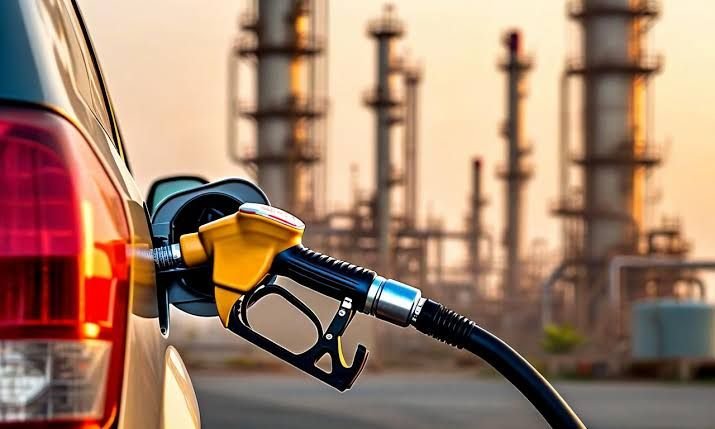
The Government of India has launched on-road trials for a new biofuel blend — isobutanol mixed with diesel — marking another step in its clean-energy push. A Tata Altroz diesel has been spotted testing this blend on Bengaluru roads as part of a pilot project conducted by Hindustan Petroleum Corporation Limited (HPCL).
The experiment comes after the government’s earlier attempt to blend ethanol with diesel failed due to poor ignition stability and engine knocking. With isobutanol now being tested, India has become the first country to formally begin real-world trials of this alternative diesel blend.
Why Ethanol Blending Failed for Diesel Engines
The ethanol–diesel project was halted after blends above 5% led to severe performance issues. Ethanol lowered the cetane number of diesel, causing delayed ignition, incomplete combustion, and excessive engine knocking.
For heavy-duty vehicles like trucks and buses, such instability is unacceptable. These engines depend on high compression ratios and consistent ignition quality for long-distance freight operations — conditions ethanol couldn’t support.
Isobutanol Offers Promise — But With Limits
Unlike ethanol, isobutanol blends more evenly with diesel and offers higher energy density. It also has a higher flash point, making it safer for storage and transportation. However, experts caution that while these properties make it suitable for small passenger cars, it may not meet the demands of commercial trucks.
Trucks operate under constant heavy loads, requiring strong torque delivery and high combustion efficiency. Low cetane levels from alcohol-based fuels like isobutanol could cause performance drops, reduced mileage, and long-term engine wear. These drawbacks make it impractical for logistics and freight applications at present.
Testing Underway in Bengaluru
The HPCL R&D Centre in Bengaluru is leading the isobutanol–diesel trials. The Tata Altroz, India’s most affordable diesel hatchback, was chosen as the test car for its compact design and reliable BS6 diesel engine.
Engineers are studying combustion patterns, emissions, and cold-start performance under urban driving conditions. Bengaluru’s diverse climate and dense traffic provide a real-world testing ground for how the blend performs in everyday conditions.
Economic and Environmental Upsides
Producing isobutanol domestically offers India economic advantages. It can be made from the same sugarcane and grain feedstock as ethanol, reducing oil imports and generating additional revenue for farmers and sugar mills.
Environmentally, the blend could cut CO₂ and particulate emissions, supporting India’s Net-Zero 2070 target. However, until fuel stability and combustion issues are resolved, large-scale rollout for the trucking sector remains unlikely.
Trucks to Stick With Conventional Diesel — For Now
While the isobutanol–diesel blend could benefit small diesel vehicles, experts emphasize that India’s trucking network — which moves over 70% of the nation’s freight — cannot risk adopting an unproven fuel. Any inconsistency could disrupt supply chains and raise operating costs.
For now, isobutanol remains an experimental step in India’s journey toward cleaner fuels — one that might power cars efficiently, but not yet the trucks that drive the nation’s economy.